Ultimate guide to Uganda self-drive safari logistics: tips, routes and car hire in 2026 – 2027

Ultimate guide to Uganda self-drive safari logistics: tips, routes and car hire in 2026 – 2027
A self-drive safari in Uganda is one of the most flexible and rewarding ways to explore the country’s diverse landscapes, from savannah plains to misty mountains. In 2026, improved road network, growing car hire options and better GRS accessibility have made independent travel more manageable than ever. However, proper planning is essential to ensure a safe, smooth, and memorable adventure.
Uganda offers a wide range of national parks accessible by road. Popular self-drive destinations include Queen Elizabeth National Park, Murchison Falls National Park, Bwindi Impenetrable National Park, and Lake Mburo National Park. Each Park offers distinct wildlife experiences, and your route planning should consider distance, fuel stops, and road conditions.
When planning your self-drive safari.
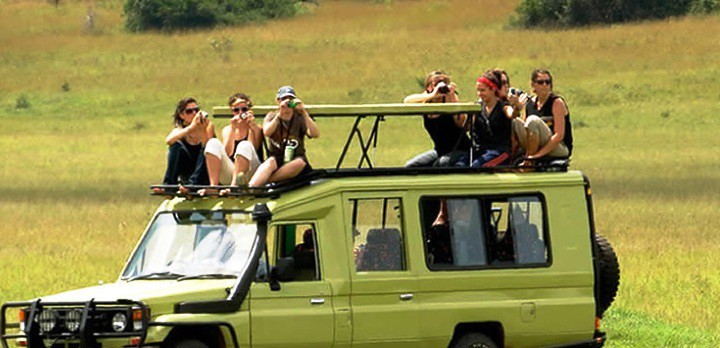
Vehicle selection is the first major decision. A 4×4 is strongly recommended, especially during rainy seasons, March to May and October to November, when roads in and around parks can become muddy and slippery. Popular rental choices include Toyota, LandCruisers, Prado TX models, and RAV4 SUVs.
For budget travelers, a 4×4 RAV4 may cost between USD 45 and 70 per day. The Land Cruiser ranges from USD 90 to 150 per day, depending on the model and the rental duration. Rooftop tent vehicles for camping safaris are also available and typically cost more, offering accommodation savings.
Most car hire companies in Uganda operate from Kampala and Entebbe. When booking in 2026, confirm whether the rental includes comprehensive insurance, a spare tire recovery equipment, and 24 17 roadside assistance. It is also important to check mileage limits and across-borderpolicies if you plan to extend your safari to Rwanda or Kenya. A valid driver’s license from your home country is acceptable for short-term visitors; however, carrying an international Driving permit is recommended.
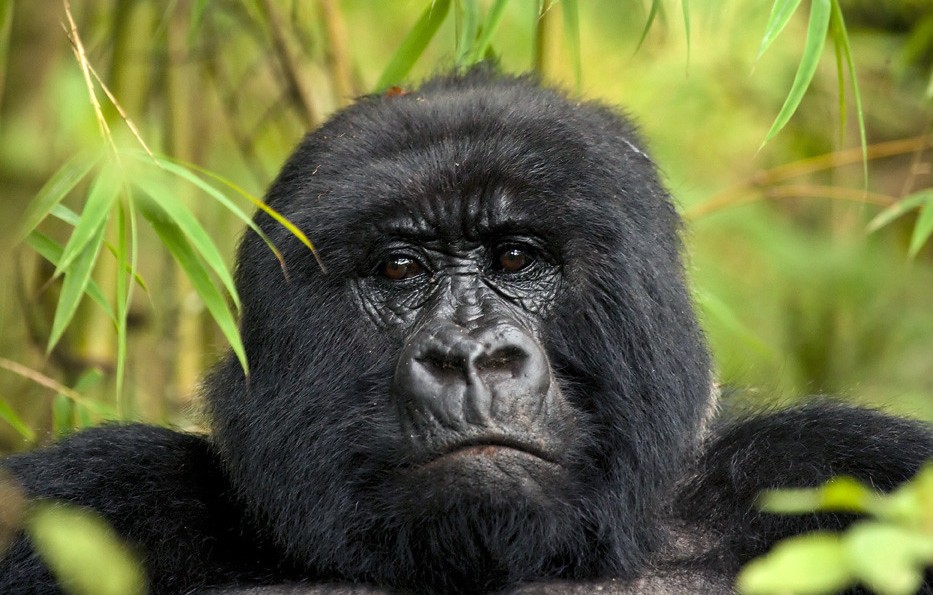
Route planning is crucial for a successful self-drive safari from Kampala or Entebbe. Lake Mburo National Park is about 4 hours away via the Masaka highway, making it ideal for short trips. Queen Elizabeth National Park for gorilla trekking. Murchison Falls National Park is roughly 5+ 6 hours north of Kampala via Masindi, while Kidepo Valley National Park, located in north-eastern Uganda, requires a full day’s drive and is best suited for experienced self-drivers.
Park entry fees are payable at park gates and are set by the Uganda Wildlife Authority. In 2026, foreign nonresidents typically pay USD 40 to 45 per day for park entry, while East African citizens pay lower rates in Ugandan Shillings. Keep cash or confirm card payment options in advance, as some remote gates may have limited connectivity for card transactions.
Accommodation logistics depend on your travel style. Uganda offers budget bands, mid-range lodges, and luxury safari camps within or nearby parks. Booking accommodation in advance is advisable during peak seasons. Self-driving travelers can also opt for designated campsites, which are affordable and offer a closer connection to nature.
Safety should remain a priority throughout your journey. Wildlife on park roads has the right of way, and speed limits are strictly enforced within protected areas. Avoid driving at night in rural regions due to livestock, wildlife crossing, and limited lighting. Always inform someone of your itinerary and expected arrival times when travelling to remote parks.
In conclusion, a Uganda self-drive safari in 2026 offers independence, adventure and cost flexibility. With the right 4×4 vehicle, careful route planning, fuel management and bookings, travelers can confidently explore Uganda’s remarkable national parks at their own pace. Proper preparation ensures not convenience but an unforgettable journey through the pearl of Africa.