
What You Need to Know for Successful Uganda Self-Drive Safaris
Uganda is often called the Pearl of Africa, and there is no better way to see its beauty than behind the wheel of your own 4×4. Choosing Uganda self-drive safaris gives you the ultimate freedom to explore at your own pace. You can stop whenever you see a rare bird, linger longer at a beautiful crater lake, or change your plans on a whim. At Katland Safaris, we believe that the journey is just as important as the destination. This guide will walk you through everything you need to know to plan a safe, affordable, and unforgettable road trip through one of Africa’s most diverse countries.
Why Choose a Self-Drive Safari in Uganda?
The most obvious reason to choose a self-drive adventure is the freedom. On a guided tour, you follow a strict schedule. If you want to spend an extra hour watching a lion pride in Murchison Falls, you might feel rushed by a guide who needs to get to the next lodge. With Uganda self-drive safaris, you are the boss. You decide when the day starts and where it ends.
Another major benefit is the cost. For groups of friends or families, renting a single vehicle and splitting the costs is much cheaper than paying for a guided package per person. You can also choose your own accommodation, ranging from luxury lodges to budget-friendly campsites where you can pitch a rooftop tent under the stars. It is an authentic way to connect with the local culture and the wild landscapes of the Pearl of Africa.
Selecting the Right Vehicle for Your Adventure
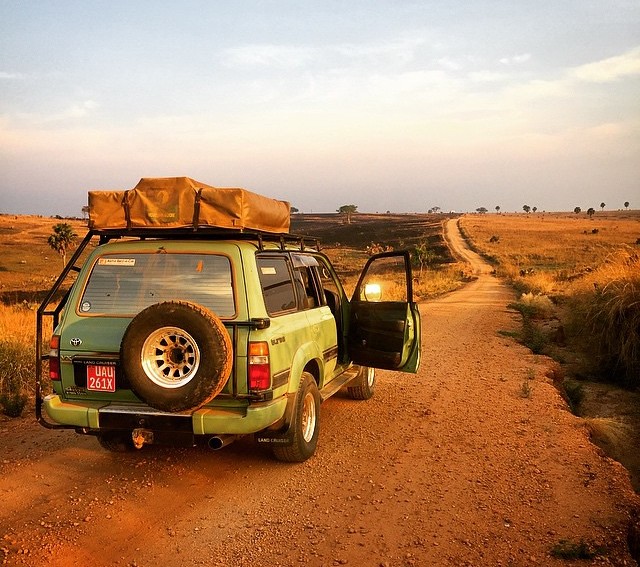
Your choice of vehicle can make or break your trip. Uganda’s main highways are generally well-paved, but the roads leading into national parks can be rugged, dusty, or muddy depending on the season. For Uganda self-drive safaris, a 4×4 vehicle is absolutely essential. You need a car with high ground clearance to navigate the deep ruts and occasional river crossings in places like Kidepo Valley or Bwindi Impenetrable Forest.
The Toyota Land Cruiser is the gold standard for African road trips. It is powerful, reliable, and easy to fix if something goes wrong in a remote area. For those on a tighter budget, a Toyota RAV4 is a great option for parks like Lake Mburo or Queen Elizabeth, though it may struggle in the steep, slippery hills of the gorilla highlands during the rainy season. At Katland Safaris, we ensure our fleet is regularly serviced and equipped with essential tools, a spare tire, and a jack to keep you moving.
Essential Documents and Legal Requirements
Before you start your engine, you must ensure your paperwork is in order. To drive in Uganda, you need a valid driving license from your home country. While many people drive using their national licenses, we strongly recommend carrying an International Driving Permit (IDP). It makes interactions with traffic police much smoother and is often a requirement for insurance coverage.
Always keep your passport, the vehicle’s registration documents, and proof of insurance in the car. Traffic checkpoints are common on major roads. Usually, the officers just want to see your permits and ensure the vehicle is in good condition. Being polite and having your documents ready will save you time and keep your journey stress-free.
Navigating the Roads: Tips for a Success self Drive Safari.
Driving in Uganda is an adventure in itself. We drive on the left side of the road, and traffic can be quite different from what you might be used to at home. In cities like Kampala, you will encounter hundreds of “boda-bodas” (motorcycle taxis) weaving through traffic. Outside the cities, the main hazards are livestock, such as goats or cattle, wandering onto the road and the occasional deep pothole.
One of the most important rules for Uganda self-drive safaris is to avoid driving at night. Many roads lack streetlights, and hazards like broken-down trucks or animals are much harder to see. Plan your day so that you arrive at your destination by 6:00 PM. Not only is it safer, but it also gives you time to enjoy a sundowner and watch the African sky turn to gold.
Top Destinations for Your Self-Drive Route
Uganda offers a “circuit” of parks that are perfect for a self-drive itinerary. Most travelers start in Entebbe or Kampala and head north to Murchison Falls National Park. This is Uganda’s largest park and offers fantastic game drives where you can see lions, elephants, and giraffes. The roads here are well-marked, making it a great starting point for beginners.
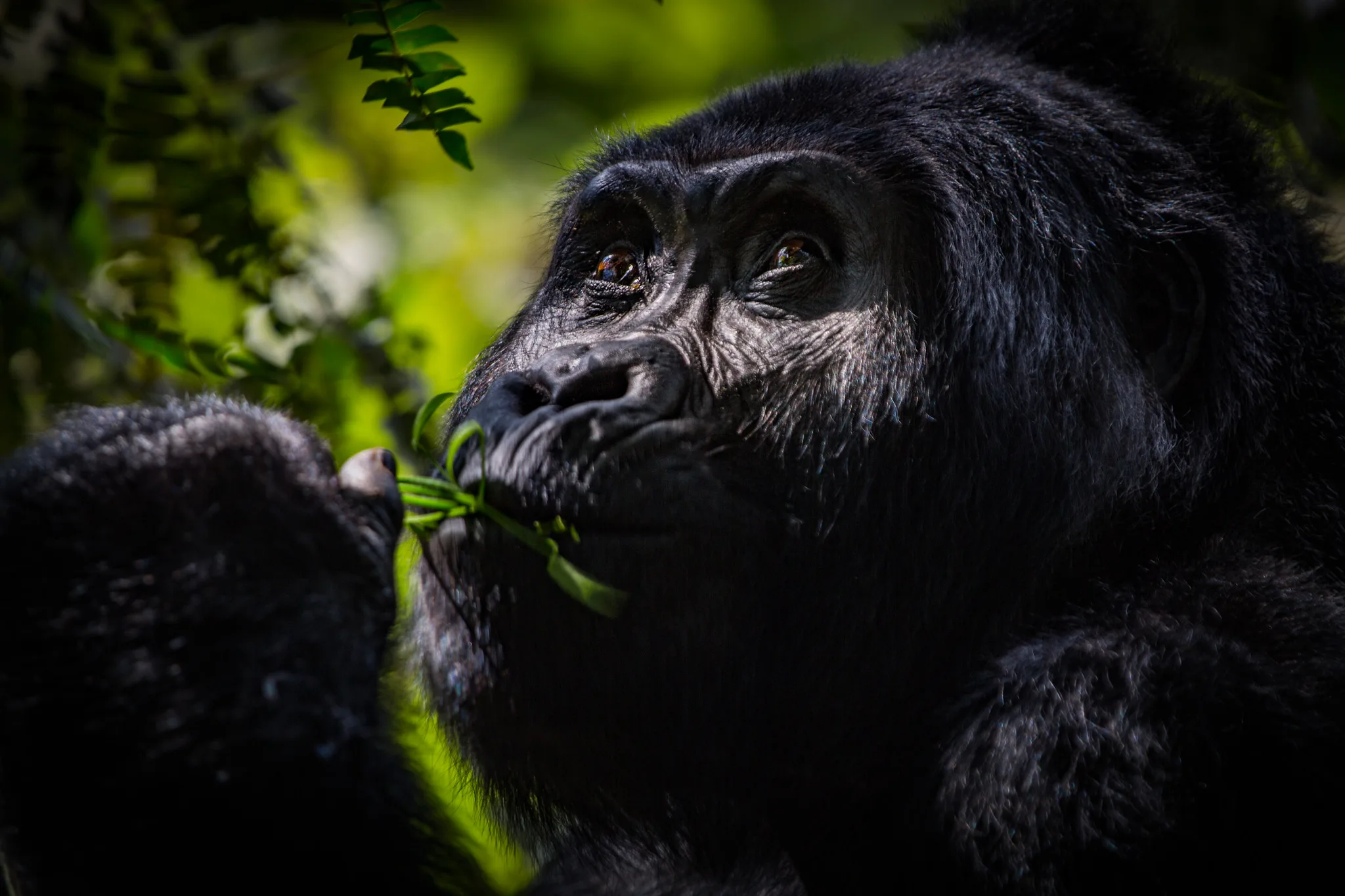
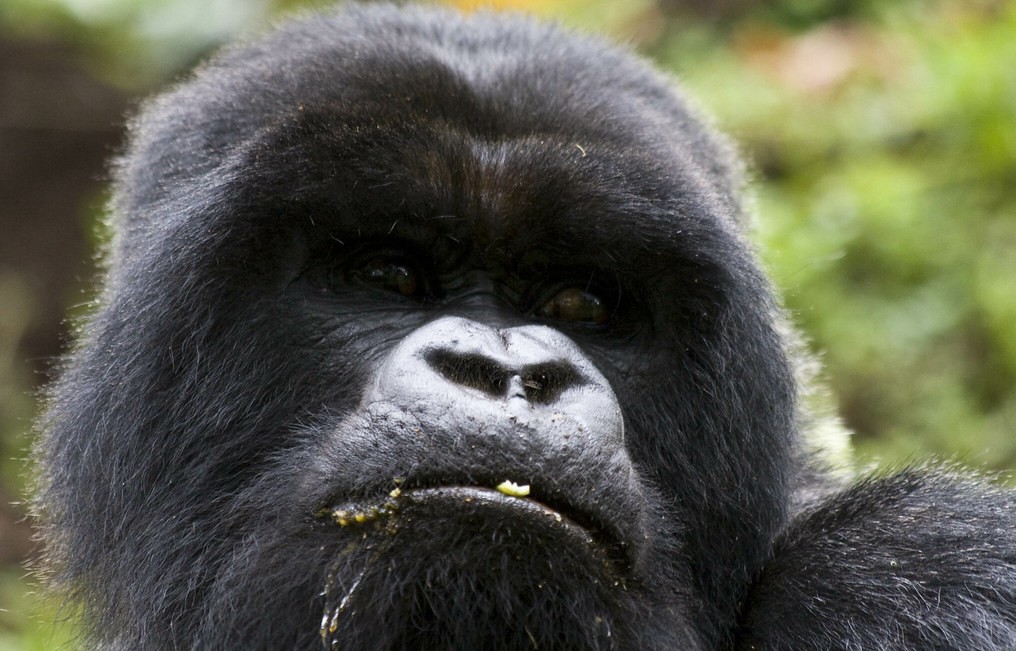
From the north, you can head west to Kibale Forest for chimpanzee trekking, then continue to Queen Elizabeth National Park. The Ishasha sector is famous for its tree-climbing lions, a sight you won’t want to miss. If you are feeling brave, continue south to Bwindi Impenetrable Forest for gorilla trekking. While the drive to Bwindi is challenging due to the steep terrain, the views of the terraced hills are among the most beautiful in the world.
Understanding the Costs of a Self-Drive Safari
Budgeting correctly is key to a smooth trip. The cost of Uganda self-drive safaris typically includes the vehicle rental, which ranges from $50 to $150 per day, depending on the model. You should also budget for fuel, which can cost between $40 and $80 per day, depending on how much ground you cover.
Don’t forget the park entry fees managed by the Uganda Wildlife Authority. For most major parks, foreign visitors pay around $40 per person per day, plus a small fee for the vehicle. If you plan to trek gorillas or chimpanzees, these permits are extra and should be booked months in advance through a trusted operator like Katland Safaris to ensure you don’t miss out.
Packing Essentials for the Road
Since you are managing your own journey, you need to be prepared. Always carry plenty of drinking water and snacks, as shops can be far apart in rural areas. A physical map or a GPS app with offline capabilities (like Google Maps or Maps.me) is vital because mobile signals can drop out in the deep valleys or thick forests.
A basic first-aid kit, a flashlight, and a power bank for your phone are also must-haves. If you are camping, make sure your rental includes a sturdy tent, sleeping bags, and cooking equipment. Having a small stash of local currency (Ugandan Shillings) helps pay for small items at local markets or tipping the community guides who help you spot wildlife.
Safety and Wildlife Etiquette
While on your safari, remember that you are a guest in the animals’ home. Always stay inside your vehicle during game drives unless you are in a designated “safe zone” or picnic area. Keep a respectful distance from large animals like elephants and buffalo. If an elephant looks agitated, it is best to turn off your engine or slowly back away.
Following the park rules is not just about safety; it’s about conservation. Avoid off-roading, as it damages the fragile ecosystem, and never feed the wildlife. By driving responsibly, you help preserve these beautiful places for future generations. At Katland Safaris, we are committed to eco-friendly travel and encourage all our self-drive clients to follow these simple guidelines.
How Katland Safaris Supports Your Journey
You might be driving the car, but you aren’t alone. When you book your Uganda self-drive safaris with Katland Safaris, we provide 24/7 phone support. If you have a flat tire or get a bit lost, our team is just a call away. We can also help you book your gorilla permits and suggest the best lodges that fit your budget.
We pride ourselves on our local knowledge and our passion for the Pearl of Africa. We want you to see the Uganda that we love—the hidden waterfalls, the friendly villages, and the breathtaking wildlife. Our mission is to make sure your self-drive experience is safe, seamless, and filled with memories that will last a lifetime.
Uganda is waiting for you to discover its secrets. Whether you want to see the powerful Murchison Falls, trek through the misty Bwindi forest, or simply enjoy the open road, a self-drive safari is the ultimate way to do it. It requires a bit of planning and a sense of adventure, but the rewards are endless.