Are mountain gorillas vegetarian? The surprising truth about the diet of the gentle giants

Are mountain gorillas vegetarian? The surprising truth about the diet of the gentle giants
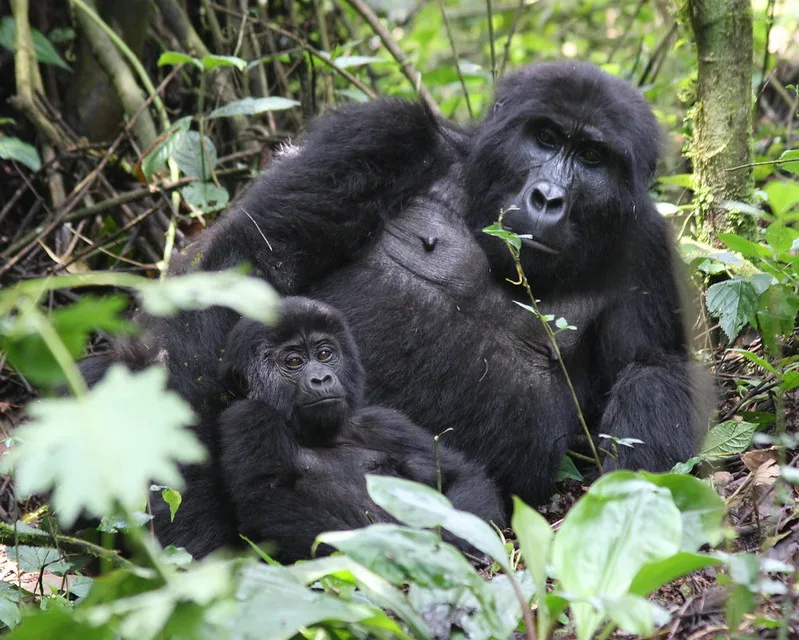
Have you ever looked into the soulful eyes of a mountain gorilla and wondered, “Are mountain gorillas vegetarian?” You’re not alone. These magnificent creatures, our closest living relatives after chimpanzees, have long captivated us. Their sheer size and intelligence spark curiosity about their lives, including their dietary habits.
Well, the short answer is no, not entirely.
While the bulk of their diet is indeed plant-based, mountain gorillas are not strictly vegetarian. To truly understand why, we need to delve deeper into the fascinating world of these gentle giants.
The Misunderstanding: Why We Think Mountain Gorillas Are Vegetarian
For years, it was widely believed that mountain gorillas were entirely herbivorous. Their bulky bodies, powerful jaws, and powerful teeth were interpreted as adaptations for processing tough plant material.
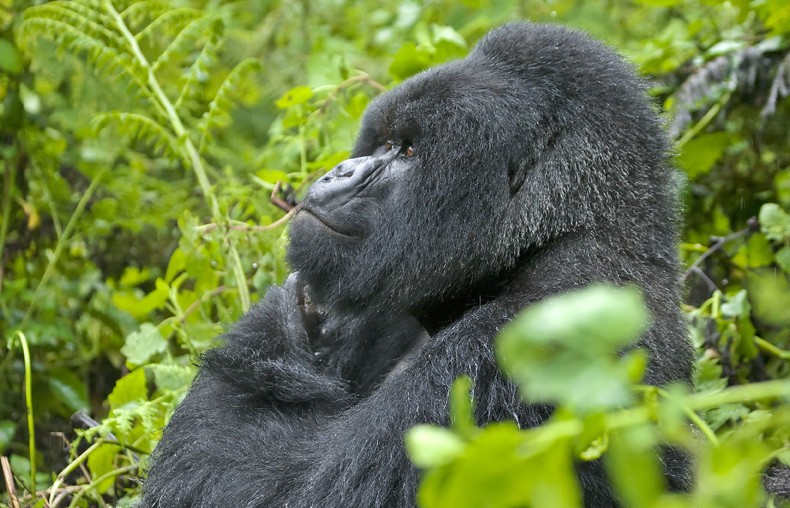
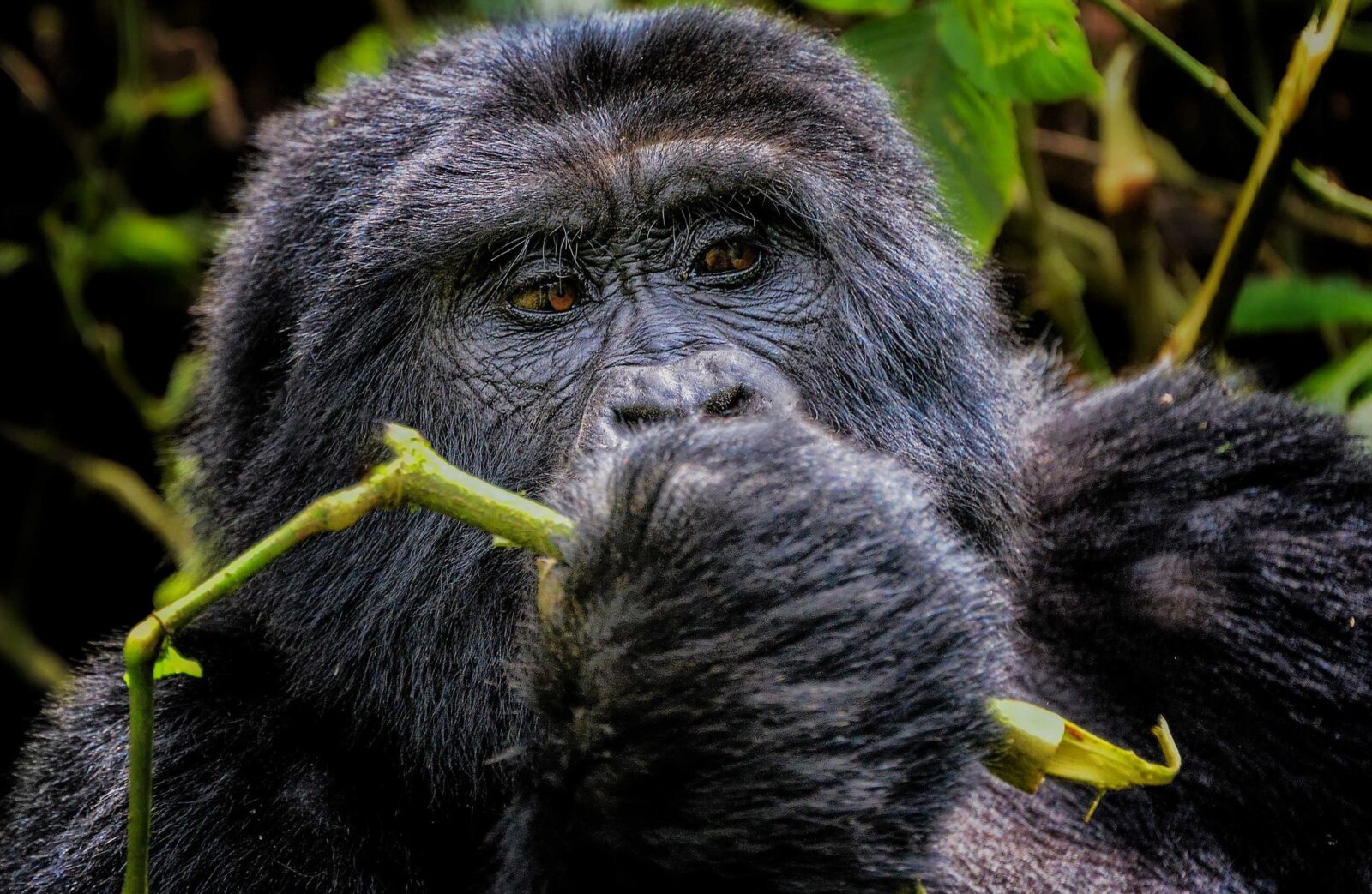
Furthermore, observations of gorillas in the wild often showed them munching on leaves, stems, bamboo, and fruits. This reinforced the image of them as peaceful plant-eaters.
The True Nature of the Mountain Gorilla Diet
However, scientific research and extensive observations have revealed a more nuanced reality. Mountain gorillas are, in fact, omnivorous, although their consumption of animal matter is very limited.
Their diet consists primarily of:
- Foliage: Leaves, stems, and bamboo make up about 86% of their intake. These provide essential fiber and some nutrients.
- Fruits: When available, fruits are a significant part of their diet, accounting for around 2% of their total consumption. They are particularly rich in sugars and carbohydrates.
- Roots and Flowers: Gorillas also consume some roots, flowers, and bark, which contribute to their nutritional needs.
The Occasional Treat: The Animal Matter in their Diet
So, where does the “vegetarian” misconception fall short? Well, the occasional addition of animal matter to their diet comes in the form of:
- Insects: Mountain gorillas are known to consume various insects, including ants, termites, and grubs. These insects are a valuable source of protein and fat.
- Small Vertebrates: In rare instances, mountain gorillas have been observed to capture and consume small vertebrates like birds, lizards, and rodents. This behavior is relatively uncommon and seems to occur when opportunities arise.
Why Aren’t Mountain Gorillas Strictly Vegetarian?
Given their extensive reliance on plant material, why do mountain gorillas occasionally supplement their diet with animal matter? There are a few potential reasons:
Nutritional Gaps: Certain essential nutrients, like vitamin B12, are primarily found in animal products. While some plant foods contain traces, they may not be sufficient for optimal health. Consuming insects and small animals might help them fulfill these requirements.
Protein Needs: While plant materials provide some protein, animal matter offers a more concentrated and easily digestible source. This can be especially important during periods of increased protein demand, such as pregnancy, lactation, or rapid growth.
Adaptation to Their Environment: The availability of plant foods can fluctuate seasonally. During periods of scarcity, gorillas may turn to insects and small animals to meet their energetic and nutritional needs.
Social and Behavioral Factors: The consumption of animal matter might be influenced by social factors. For instance, some studies have suggested that younger gorillas are more likely to engage in such behavior, potentially as they explore their environment and learn from their peers.
The Intricate Digestive System of the Mountain Gorilla
The digestive system of the mountain gorilla is beautifully adapted to process their unique diet. Their long intestines and specialized stomach chambers are designed to break down the complex carbohydrates found in foliage and other plant matter. This process, known as fermentation, allows them to extract maximum nutrients from their high-fiber intake.
The occasional consumption of animal matter requires different digestive enzymes, which gorillas also possess. Their digestive tract is versatile enough to handle both plant and limited animal foods, albeit not with the same efficiency as a purely carnivorous or omnivorous animal.
The Impact of Habitat and Season on Their Diet
The diet of mountain gorillas is not static. It varies significantly depending on their habitat and the season. Gorillas living in areas with diverse vegetation have access to a wider range of fruits and plants. Conversely, those in areas with limited plant resources might rely more heavily on bamboo and foliage.
Seasonal changes also play a role. During the rainy season, when vegetation is abundant, gorillas have more food options. In the dry season, however, they may have to travel further to find food and might rely more heavily on bamboo.
Discover the World of Mountain Gorillas with a Gorilla Trekking Safari with Katland Safaris.
The fascinating dietary habits of mountain gorillas are just one of the many reasons why they are so captivating. To truly experience these amazing creatures in their natural habitat, consider joining a gorilla trekking safari.
This unique and unforgettable experience allows you to get up close and personal with a gorilla family in their rainforest home. You’ll witness their social interactions, observe their fascinating behaviors, and maybe even get a glimpse of their unique dining habits.
Our Gorilla Trekking Safari Packages
At Katland Safaris, we offer various gorilla trekking safari packages tailored to your interests and budget. Our experienced guides will ensure a safe and memorable experience, providing you with valuable insights into the lives of these incredible creatures.
Frequently Asked Questions about Mountain Gorilla Diet
Q: Do mountain gorillas eat meat?
A: Yes, mountain gorillas do eat some meat, primarily in the form of insects and occasionally small vertebrates. However, it’s only a very small portion of their diet.
Q: Are mountain gorillas dangerous?
A: Mountain gorillas are generally gentle and non-aggressive animals. However, they can be protective of their families if they feel threatened. Gorilla trekking involves following specific rules and guidelines to ensure the safety of both visitors and the gorillas.
Q: What is the biggest threat to mountain gorillas?
A: Habitat loss, poaching, and disease are the main threats to mountain gorillas. Conservation efforts are crucial to their survival.
Q: Where can I see mountain gorillas?
A: Mountain gorillas can be found in the Virunga Mountains, which span Uganda, Rwanda, and the Democratic Republic of Congo. You can go gorilla trekking in any of these countries.
Q: How can I contribute to mountain gorilla conservation?
A: You can support conservation efforts by donating to organizations dedicated to mountain gorilla protection, choosing eco-friendly travel options, and raising awareness about the challenges they face.
Conclusion
So, are mountain gorillas vegetarian? No, they are not strictly vegetarian. While their diet consists primarily of plant material, they occasionally supplement it with animal matter like insects and small vertebrates. This unique dietary flexibility is another testament to the complexity and adaptability of these magnificent creatures.
By understanding the truth about their diet, we can better appreciate their place in the natural world and the delicate balance of their ecosystem. Let’s work together to protect these amazing animals and their habitat for future generations to enjoy.
Contact us with any inquiries about booking a gorilla trekking safari to Uganda or Rwanda.