What Do Gorillas Eat? A Gorilla Trekker’s Ultimate Guide to Uganda’s Gentle Giants

What do gorillas eat? A gorilla trekker’s ultimate guide to Uganda’s gentle giants. The Mountain Gorilla’s Gastronomic Adventure.
What do gorillas eat? Imagine yourself deep within the verdant, mist-shrouded heart of Uganda’s Bwindi Impenetrable National Park tracking one of nature’s most magnificent creatures: the mountain gorilla.
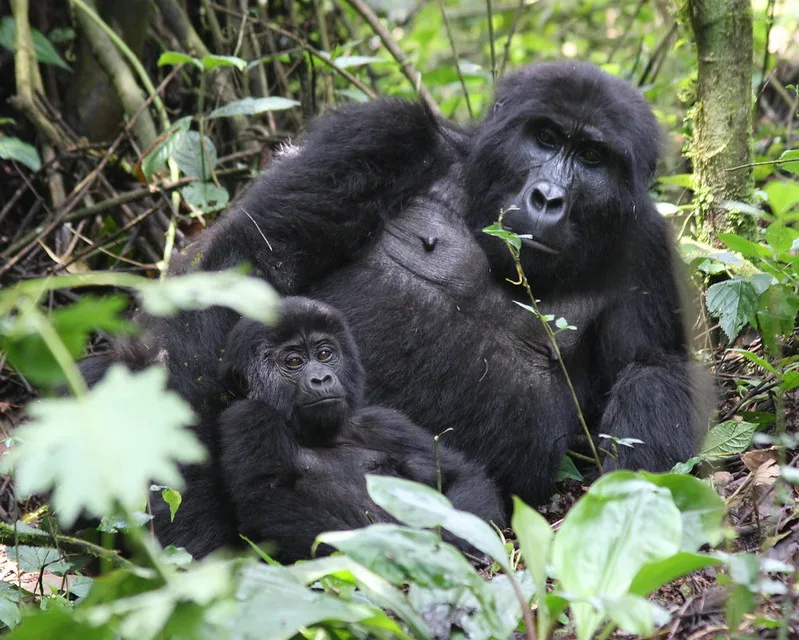
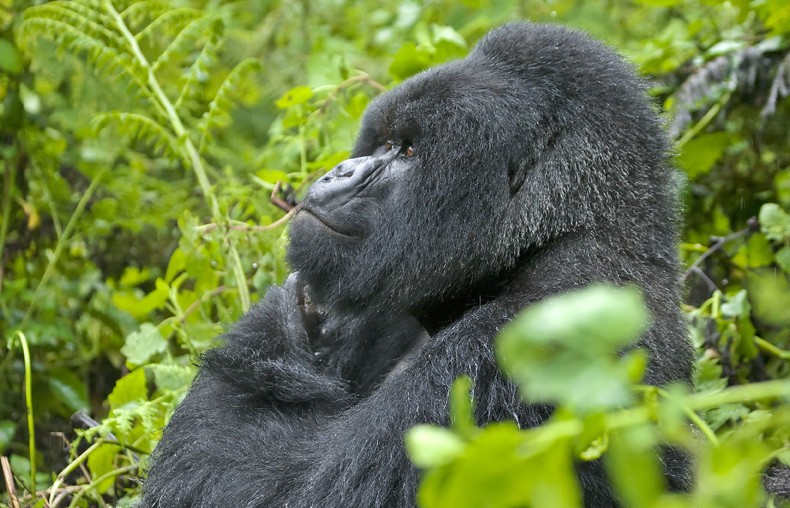
As you navigate the dense forest, guided by expert rangers, a rustle ahead stops you in your tracks. Emerging from the foliage, you see them — a family of mountain gorillas, peacefully foraging. A powerful silverback, the undisputed leader, munches contentedly on a succulent stalk. Beside him, a young gorilla playfully tussles with a vine, while a mother gently feeds her infant gorilla.
Witnessing these gentle giants in their natural habitat is a life-altering experience. It’s a privilege, a moment of profound connection with our closest living relatives. But as you watch them, a fascinating question might cross your mind: what do gorillas eat?
This simple query unlocks a window into their complex social structure, their daily rhythms, and their intricate relationship with the vibrant ecosystem they call home. In this comprehensive guide, we’ll delve deep into the mountain gorilla’s diet, exploring their favorite foods, their seasonal variations, and how this unique gastronomic adventure shapes their lives in the wilds of Uganda, particularly in Bwindi Impenetrable Forest and Mgahinga Gorilla National Park.
The Mountain Gorillas are primarily vegetarian powerhouses
When you look at a mountain gorilla, with its massive, muscular build and sharp canines, your first instinct might be to think, “carnivore!” But appearances can be deceiving. The truth is, mountain gorillas are overwhelmingly herbivorous. Their diet is a fascinating study in botanical abundance.
A Buffet of Foliage and Fungi
For mountain gorillas, the jungle is a vast, self-replenishing salad bar. Their daily menu is dominated by leafy greens, making up a staggering 80% to 90% of their total intake.
Foliage Fun: They feast on a diverse array of leaves from over 100 different plant species. Think of it as an all-you-can-eat kale buffet, but with exotic varieties like nettles, thistles, and vines.
Bamboo Bonanza: One of their absolute favorites, especially during the rainy season, is bamboo. Gorillas are skilled bamboo harvesters, using their dexterous fingers to peel back the tough outer layers to reach the tender, sugary inner shoots.
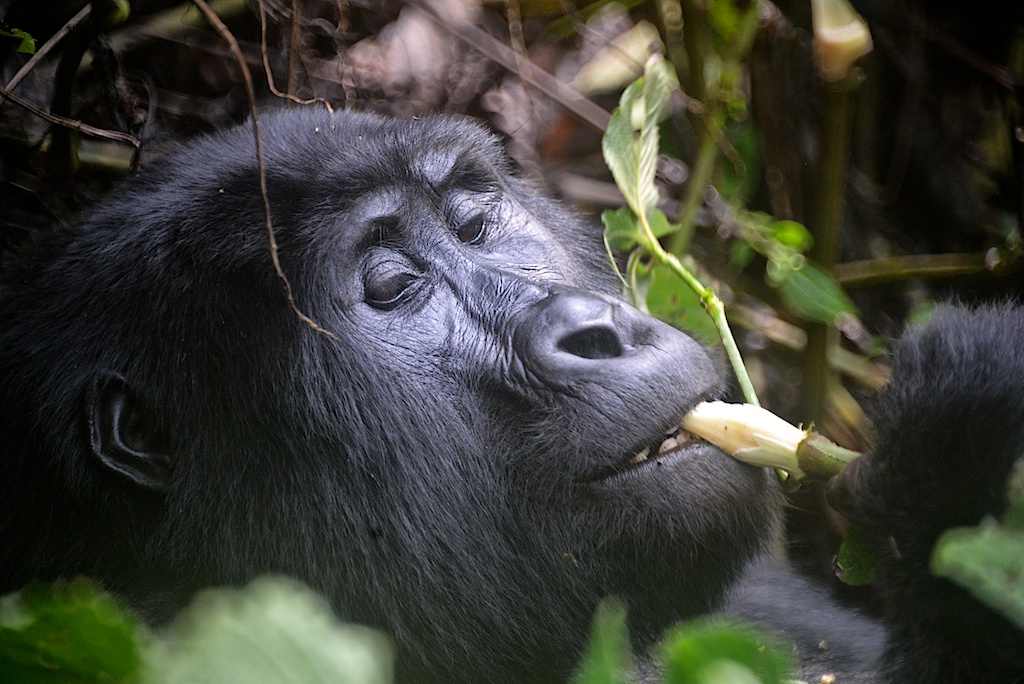
Stalks and Stems: They consume large quantities of pith, the spongy interior of stems from plants like wild celery and thistles. This provides essential hydration and fiber.
Wild Celery – A Culinary Delight: To a mountain gorilla, wild celery is the ultimate delicacy. They carefully remove the prickly outer skin, revealing the crisp, juicy stalk within. It’s their version of a premium asparagus.
Fungi Favorites: While not a primary food source, gorillas also enjoy a good mushroom. Fungi offer unique nutrients and variety to their diet.
A Glimpse into the Day: How Gorillas Forage
Foraging isn’t just a physical act; it’s a vital social activity for gorilla troops. The silverback, the unquestioned leader, often dictates the group’s movement and feeding areas. He knows the best places to find seasonal treats, leading his family on a daily culinary expedition.
Early Birds: Gorillas are diurnal creatures, meaning they are active during the day. Their daily routine often begins shortly after sunrise, with the group moving out of their nests to begin the day’s foraging.
The Silverback’s Command: The silverback often feeds first, ensuring he has the energy needed to lead and protect his troop. His choices are respected by the rest of the group.
Social Dining: Feeding is a relaxed, social event. Mothers teach their young which plants are safe and how to best extract the tasty bits. Juveniles may play and wrestle during breaks in feeding.
R&R: After a period of intensive foraging, the group takes a break to rest, digest, groom, and nap. These periods of rest are crucial for energy conservation.
Surprising Supplements: Insects and More
While foliage and stems are the mainstay, mountain gorillas aren’t strictly vegan. They sometimes supplement their diet with sources of animal protein, but in incredibly small quantities.
Insect Infusion: Less than 1% of their total diet comes from animal matter. This primarily consists of ants, termites, and other small insects, which they might gather from trees or ant hills.
The Ant Nest Conundrum: Tracking down and consuming ants is an intricate process. Gorillas are often seen carefully inserting thin sticks into ant nests, waiting for the ants to latch on, and then sweeping them into their mouths. It’s a labor of love for a small, albeit tasty, treat.
Why the Occasional Creepy Crawly? The inclusion of insects, while minimal, likely provides essential vitamins and minerals that are harder to get solely from plants.
Seasonal Shifts and Gastronomic Adventures
The lush forests of Uganda are anything but static. They are vibrant, living ecosystems that change with the seasons, and so too does the gorilla’s diet.
Rainy Season Riches
Uganda has two rainy seasons: March to May and September to November. During these periods, the forest erupts in new growth, offering a plentiful bounty.
Bamboo Mania: This is the prime time for bamboo shoots, a highly prized gorilla food source. They will often travel significant distances to reach bamboo forests.
Fruit Fiesta: While fruit makes up a small overall percentage of the mountain gorilla’s diet (unlike their lowland cousins), they eagerly consume wild fruits when they are in season. The extra sugar and carbohydrates are a welcome energy boost.
Dry Season Savvy
The dry seasons (December to February and June to August) can present more challenges. Food sources may be less diverse, requiring the gorillas to adapt.
Foliage Focus: With fruit and bamboo scarce, the gorillas rely more heavily on staple greens, stalks, and leaves. They may need to forage further and explore new areas of their territory to find sufficient food.
The Importance of Pith: Stalk pith becomes even more critical for hydration and fiber during the drier months.
How Understanding “What Do Gorillas Eat?” Enhances Your Uganda Safari
Knowing what gorillas eat isn’t just a matter of trivia. This knowledge can significantly enrich your gorilla trekking experience in Uganda. Here’s how:
Heightened Observation Skills
When you’re with a gorilla family, you’re not just a passive observer; you’re witnessing the daily lives of these incredible animals. Knowing their dietary preferences allows you to better understand their behaviors.
Identifying Favorite Plants: When you see a gorilla intently focused on a specific plant, you can identify it, knowing it’s a prized treat.
Deciphering Feeding Behaviors: You’ll understand why a young gorilla is painstakingly stripping the outer layer of a bamboo shoot, or why the silverback is so carefully extracting the pith from a thistle.
Predicting and Appreciating Daily Routines
The gorillas’ daily lives are intrinsically linked to their need for sustenance. Their movements, resting periods, and social interactions are all influenced by foraging.
Morning Foraging: Realizing that the group is actively feeding in the early morning can give you a better sense of the timing of your trek.
Rest and Digestion: Understanding that they take extended breaks to rest and digest means you won’t be surprised if your guide holds you back while the group takes a collective nap.
Choosing the Best Time to Go
While gorilla trekking is a year-round activity in Uganda, understanding their seasonal diet can help you choose the ideal time for your visit.
Bamboo Buffets: If you’re particularly keen to see them feasting on bamboo, the rainy seasons might be your best bet, despite the potential for wet trails.
Fruit Festivals: Similarly, if you’re lucky, you might time your visit during a brief period when wild fruits are abundant, offering a chance to see them enjoy this special treat.
Supporting Responsible and Ethical Tourism
Understanding the gorillas’ diet and daily patterns is crucial for responsible tourism. Ethical tour operators respect these patterns, ensuring that trekking groups don’t disrupt their critical feeding and resting times.
Non-Invasive Observation: Your understanding reinforces the importance of maintaining a safe and respectful distance, allowing the gorillas to go about their lives naturally.
Supporting Conservation: The very act of choosing a reputable tour operator supports ongoing conservation efforts that protect the gorillas and their food sources.
Ready for Your Own Culinary Journey with the Mountain Gorillas with Katland Safaris.
The question, “What do gorillas eat?” is your starting point for an unforgettable adventure. It’s a journey that takes you from the deep greens of Bwindi’s impenetrable forests to the mist-shrouded slopes of the Virunga Volcanoes in Mgahinga.
Uganda, with its dedicated focus on conservation and its unparalleled gorilla trekking experiences, offers the ultimate opportunity to witness these peaceful giants in their natural, wild habitat. By choosing an ethical and responsible safari company, you contribute to their ongoing protection, ensuring future generations can also ask, “What do gorillas eat?”
Let Katland Safaris help plan your dream gorilla safari in Uganda. Contact us today to start organizing an ethical, life-changing adventure where you’ll get to witness the fascinating gastronomic journey of the mountain gorilla firsthand. Your wild encounter awaits!