
Tourism sector priority in the 2015/16 Uganda Budget.
Uganda Budget. Every East African nation read out its budget yesterday, stressing the areas of greatest investment importance. This Budget at least acknowledged one industry that has long been underfunded.
According to the ministry of Finance, the government has focused on tourism as one of the sectors that can help Uganda avoid foreign currency liquidity-related issues. Uganda is looking at all feasible means of preventing the issue before it turns into major inflation because the dollars have been rising at the cost of the Uganda shilling. Although tourism has been Uganda’s top foreign currency earner for much of the previous years, a little budget has always been set aside for it.
This year’s budget shows that tourism has been set aside thirty billion shillings from sixteen billion shillings of the previous year. The Ministry of Tourism and Uganda Tourism Board will get this immediately to help with the yearly tourist investments.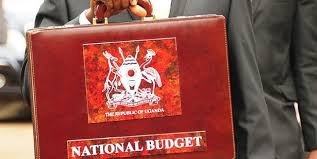
The Executive Director of Uganda Tourism Board says this is a welcome action since the extra money will assist in product development, so promoting Uganda as a tourism destination both domestically and internationally, training skills to match regional and global standards, and be able to compete with regional neighbors such as Rwanda, Kenya, and Tanzania.
Uganda has been struggling to market itself as a tourism destination due to a lack of enough funds coupled with poor leadership at the top, but with the appointment of the New CEO of Uganda Tourism Board and the development of an independent ministry of tourism, the situation is gradually changing for the benefit of the sector. For the commercial sector, particularly Tour operators and Hoteliers who have been funding themselves to visit international expos and shows for much of their careers, this is truly welcome news.
The aforementionednotwithstandingg, the private sector has objected to Government demand for VAT that was implemented throughoutall upcountryy lodges last year. Based on figures from past years, hotel occupancy has dropped by 30% from 50%, according to a press conference/release released yesterday at Uganda Tourism Board. Since VAT caused prices to rise, visitors were forced to leave Uganda as a travel destination.
With the increase in the sector budget, introduction of a single East African visa, tightening of security, creation of an enabling investment environment, and infrastructure development with go a long way to help the country develop its tourism sector so that tourists can get to know Uganda.
The nation and industry would be perceived as headed in the correct direction if everything that was shown in the budget—including promoting Uganda, creating prospective tourist goods, and building skills—were also aligned. Since what has been provided is still much below what Rwanda, Kenya, and Tanzania are giving, we keep pushing the government to finance the tourist industry more.