
Gorilla filming in Mgahinga Gorilla National Park –
Filming permits and requirements
Gorilla filming in Mgahinga Gorilla National Park
Mgahinga Gorilla National Park is located in southwestern Uganda at the border with Rwanda and the Democratic Republic of Congo. It is a rare and exclusive experience that allows filmmakers and documentarians to capture the life of the endangered mountain gorillas in one of Africa`s most scenic and tranquil environments. Mgahinga, covering about 33.7 square kilometres, forms part of the greater Virunga conservation area, a chain of volcanic mountains that provide a perfect natural habitat for these gentle giants.
The Gorillas of Mgahinga.
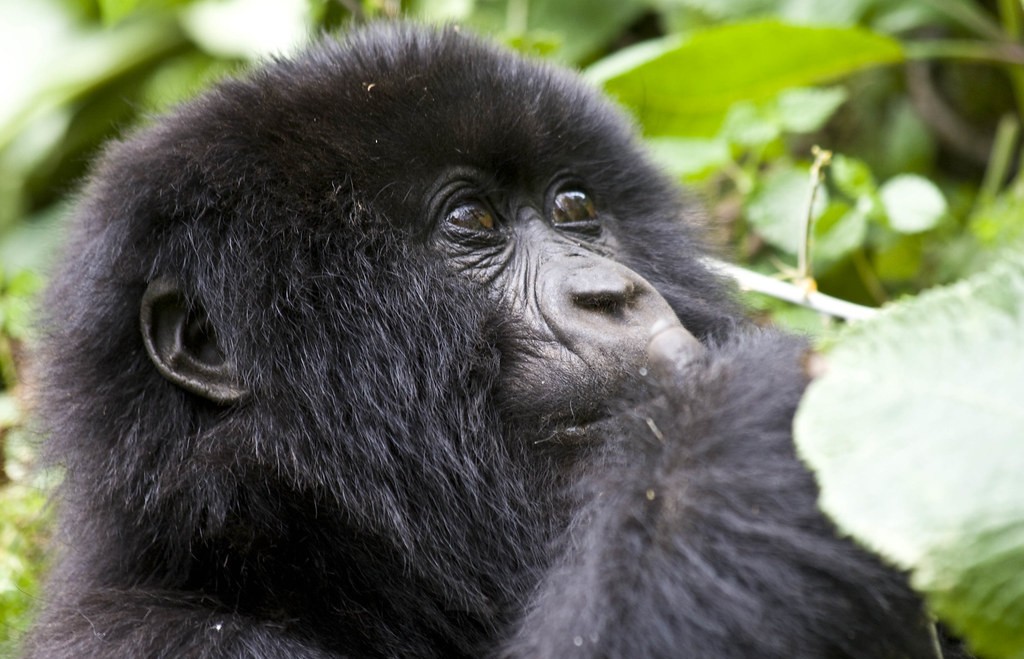
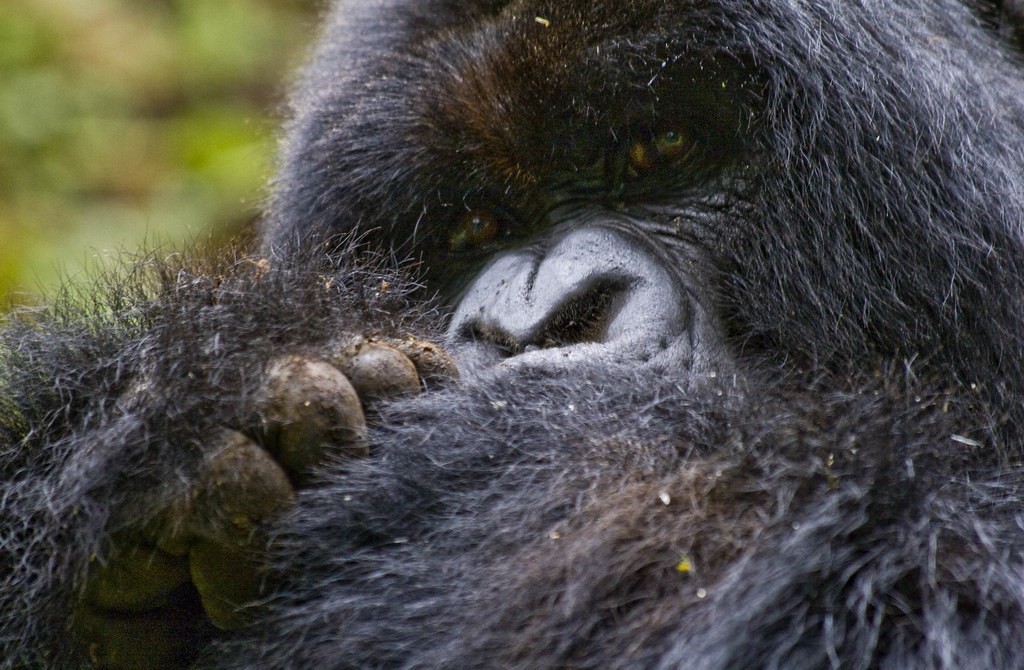
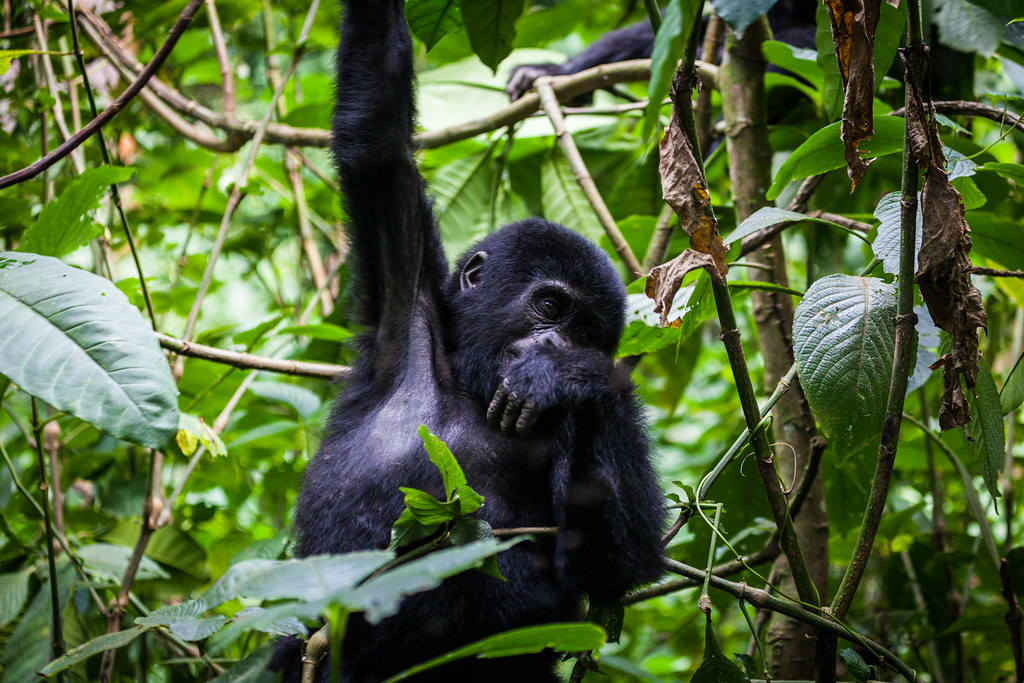
The park is home to the Nyakagezi Gorilla Family, the only fully habituated group available for tourism and filming. This family typically consists of a dominant silverback, adult females, Juvenile and infants. The gorilla is known for their calm and curious nature, which makes it an ideal subject for filming. Their movements, feeding, habits, grooming behaviours, and playful interactions can be captured beautifully in their natural surroundings.
Each day, the gorillas roam freely through the dense bamboo forests, montane woodlands, and subalpine vegetation, offering a diverse backdrop for filming from misty volcanic slopes to sunlit clearings.
Filming permits and requirements.
To film gorillas in Mgahinga, production teams must secure specific permissions and comply with conservation regulations to protect the gorillas and the habitat. Filmmakers must obtain a special filming permit from the Uganda Wildlife Authority. This gorilla is for filming purposes and is supposed to be from the standard gorilla trekking permit.
Filming fees.
Filming fees vary depending on the length of the shoot, crew size, and intended use. Typically, fees include a daily gorilla filming fee, park entrance, and UWA ranger guide fee. A refundable environmental bond may also be required to ensure the crew follows park regulations and minimizes environmental impact.
Authorisation process.
Applications should be submitted in Advance through the Uganda wild authority or a licensed local tour operator, such as Katland Safaris, who can handle the proper work, logistics, and liaison with park authorities.
Crew size and conduct
Only a limited number of people are allowed near the gorillas at one time. Crews must maintain a minimum distance of 7 meters and avoid direct eye contact or sudden movements to prevent distress to the animals. Filming with flash photography or bright lights is strictly prohibited.
The filming experience.
Filming days begin early with a briefing at the Ntebeko visitor centre, where park rangers and trekkers provide safety and behaviour guidelines. After guides lead the crew through scenic forest trails in search of the gorilla family, it sometimes takes 2 to 6 hours, depending on their locations.
Once the gorillas are found, the crew is allowed a maximum of four hours or longer with special arrangements. During this time, filmmakers can document everything from feeding and nesting to the family`s tender moments of care and communication.
Best time for gorilla filming.
The best time for gorilla filming in Mgahinga is during the dry seasons, June to September, and December to February. During these months, the forest trails are drier and easier to navigate, visibility is better, and camera equipment is less prone to moisture damage. Filming is possible year-round since Mgahinga enjoys a cool climate and high lush scenery throughout
Accommodation and logistics.
Filmmakers can stay in nearby lodges depending on their budget, such as Mount Gahinga lodge, Lake Chabafi Resort, Lake Mulehe safari lodge, and Amajambare iwacu camp. These lodges offer easy access to the park, WIFI for uploading footage, and local support for logistics. Local operators can provide 4×4 vehicles, guides, and porters to carry film gear during treks.
Conservation and community respect;
Gorilla filming in Mgahinga goes beyond cenemic to graphs it plays a key role in conservation awareness and community development. A portion of filming fees supports antipoaching initiatives, gorilla health monitoring, and the empowerment of surrounding communities through tourism revenue. Sharing programs, filmmakers are promoting sustainable tourism and protecting the gorillas for future generations.
In conclusion, Gorilla filming in Mgahinga park is more than a creative pursuit; it`s a journey into the heart of Africa`s wilderness, where humans and wildlife co-exist in harmony. The park`s serene landscapes, cooperative gorilla family, and rich ecological diversity provide film makers within unforgettable opportunity to tell peaceful conservation stories. Whether capturing the soulful gaze of a silverback or the playful young gorilla in the misty forest, Mgahinga offers a cinematic experience like no other