
Can Mountain Gorilla Conservation Tourism Save an Endangered Species?
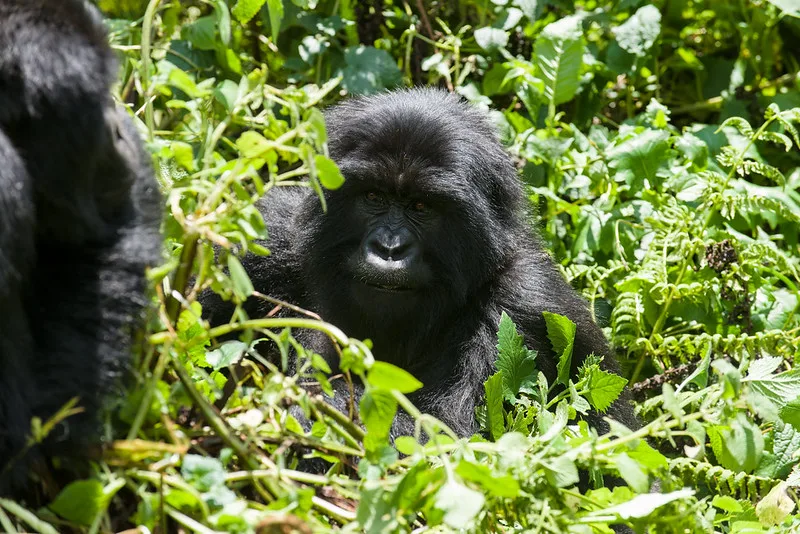
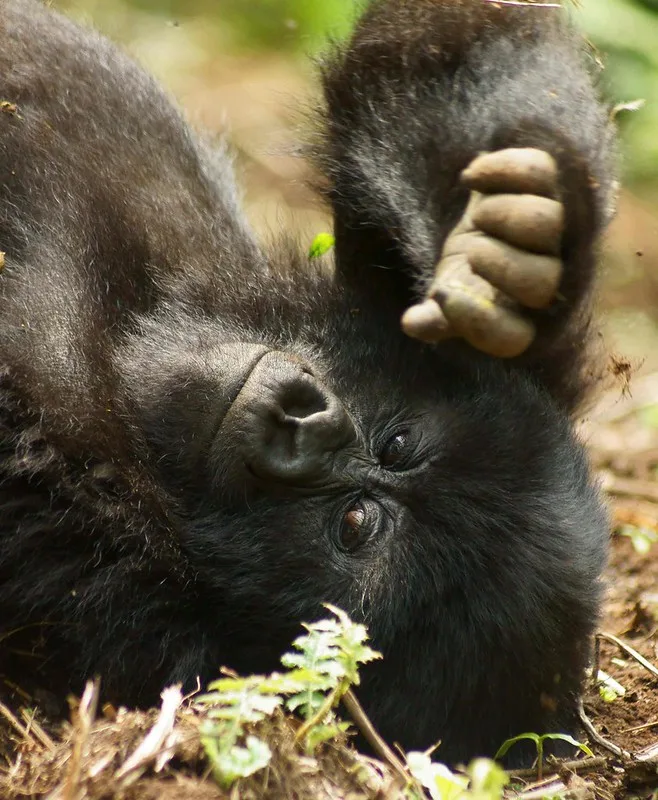
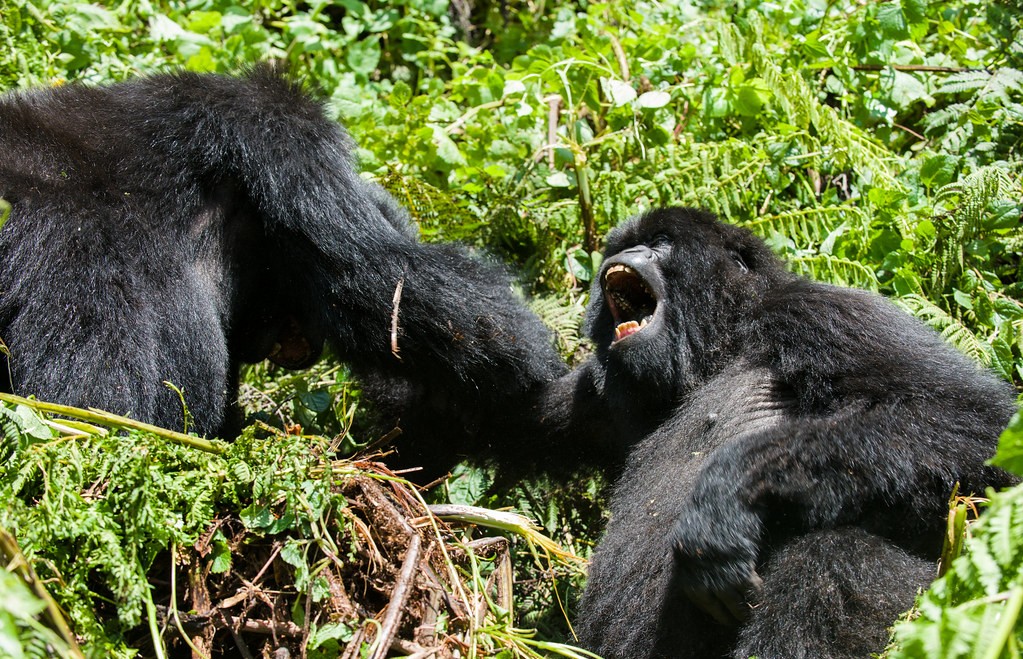
Mountain gorilla conservation tourism. The sight of a mountain gorilla in its natural habitat in Africa is an experience that leaves an indelible mark on your soul. With their soft, brown eyes and gentle demeanor, it’s hard to believe that these magnificent creatures are critically endangered in the wild.
Mountain gorillas are found only in the Virunga Volcanoes, a chain of dormant volcanoes that straddles the border of Rwanda, Uganda, and the Democratic Republic of Congo (DRC), and Bwindi Impenetrable National Park in Uganda.
Loss of habitat, wild poaching, and disease have all taken a heavy toll on mountain gorilla populations, pushing them to the brink of extinction. However, a glimmer of hope has emerged in recent years, thanks to conservation tourism.
Can tourism really save mountain gorillas? Let’s take a closer look at the role of conservation tourism in gorilla conservation, its benefits and challenges, and how it can contribute to the long-term survival of this incredible species in their natural habitat.
The Role of Tourism in Mountain Gorilla Conservation in East Africa
Tourism has emerged as a powerful tool for mountain gorilla conservation, providing crucial funding for conservation efforts and creating a powerful incentive for local communities to protect these animals and their habitat they call home.
Economic Incentives for Local Communities
One of the most significant ways that tourism contributes to gorilla conservation is by providing economic benefits to local communities living near gorilla habitats and locations. Revenue generated from gorilla trekking permits and other tourism activities supports local infrastructure projects, provides employment opportunities, and improves living standards.
By involving local communities in tourism activities, conservation efforts are more likely to be successful. When people benefit directly from conservation, they are more likely to support it and participate in protecting the animals and their habitat.
Funding for Mountain Gorilla Conservation Initiatives
A portion of the revenue generated from gorilla trekking permits is directly invested in conservation initiatives, such as:
Anti-poaching patrols in Uganda & Rwanda
Research and monitoring for Mountain Gorillas
Habitat restoration in Gorilla Destinations
Community education and outreach programs for local Communities
This funding is essential for the long-term survival of mountain gorillas, allowing conservation organizations to carry out crucial work and address the threats facing these animals.
Raising Awareness and Education about Mountain Gorillas
Tourism also plays a crucial role in raising awareness about the plight of mountain gorillas and the importance of their conservation. Visitors to gorilla habitats have the opportunity to learn about these animals, their behavior, and the threats they face.
By sharing their experiences and educating others, tourists can become powerful advocates for gorilla conservation, inspiring others to take action and support conservation efforts.
Challenges and Considerations for Conservation Tourism in East Africa.
While tourism has the potential to be a powerful force for good, it also presents challenges and considerations that need to be carefully addressed.
High Chances of Disease Transmission
One of the biggest concerns with conservation tourism is the potential for disease transmission between humans and gorillas. Gorillas are genetically similar to humans and are susceptible to many human diseases, which can be devastating for their populations.
Strict protocols are in place to minimize the risk of disease transmission, such as requiring visitors to wear masks, maintain a safe distance from the gorillas, and be in good health. These protocols must be strictly enforced to protect the gorillas from potentially fatal diseases.
Habitat Disturbance and Stress caused by tourists.
Tourism can also lead to habitat disturbance and stress for mountain gorillas. Increased foot traffic, noise, and other disturbances can impact their behavior and well-being.
To minimize these impacts, tourism activities should be carefully managed and regulated. This includes limiting the number of visitors, controlling access to gorilla habitats, and educating visitors about responsible behavior.
Ethical Considerations
It’s also important to consider the ethical implications of tourism activities. For example, how does the presence of tourists affect the natural behavior of gorillas? Are the local communities truly benefiting from tourism, or are they being exploited?
These are complex issues that require careful consideration and ongoing dialogue between all stakeholders, including conservation organizations, government agencies, local communities, and the tourism industry.
Responsible Tourism Practices to save Mountain gorillas:
To ensure that tourism contributes positively to gorilla conservation, it’s essential to adopt responsible tourism practices. This includes:
Supporting reputable tour operators that prioritize conservation and community benefits
Following all rules and regulations for gorilla trekking
Respecting the natural environment and local culture
Educating yourself and others about gorilla conservation
By choosing responsible tourism practices, you can help ensure that your visit contributes to the long-term survival of mountain gorillas and their habitat.
The Future of Mountain Gorilla Conservation Tourism in Uganda and Rwanda.
The future of mountain gorilla conservation tourism is inextricably linked to the survival of these magnificent animals. While tourism has the potential to provide crucial funding and support for conservation efforts, it also presents challenges that need to be carefully addressed.
By prioritizing responsible tourism practices, investing in community development, and addressing the root causes of habitat loss and poaching, we can help ensure that conservation tourism continues to play a positive role in the long-term survival of mountain gorillas.
Katland Safaris, as a company, is committed to promoting responsible tourism practices and supporting conservation efforts that protect mountain gorillas and their habitat. We believe that tourism can be a powerful force for good, and we are dedicated to working with local communities and conservation organizations to ensure that our activities contribute positively to the long-term survival of these incredible creatures and their Natural habitats.
Gorilla Trekking with Katland Safaris
Katland Safaris invites you to join us on an unforgettable safari experience in Africa that not only provides a once-in-a-lifetime opportunity to see mountain gorillas in their natural habitat but also contributes to their conservation and well-being. Together, we can help ensure that future generations will have the opportunity to marvel at these magnificent animals and appreciate their unique place in the natural world.
In conclusion, conservation tourism has the potential to be a powerful tool for mountain gorilla conservation, providing crucial funding and creating economic incentives for local communities to protect these animals and their habitat. However, it’s essential to address the challenges and considerations associated with tourism, such as disease transmission and habitat disturbance, to ensure that it contributes positively to the long-term survival of mountain gorillas. By adopting responsible tourism practices and prioritizing the well-being of gorillas and local communities, we can help ensure that this unique species continues to thrive in the wild for generations to come.
Contact us with any Questions about organizing a gorilla Trekking Safari Trip to East Africa in either Uganda or Rwanda, so you can be part of Mountain gorilla Conservation through tourism: