
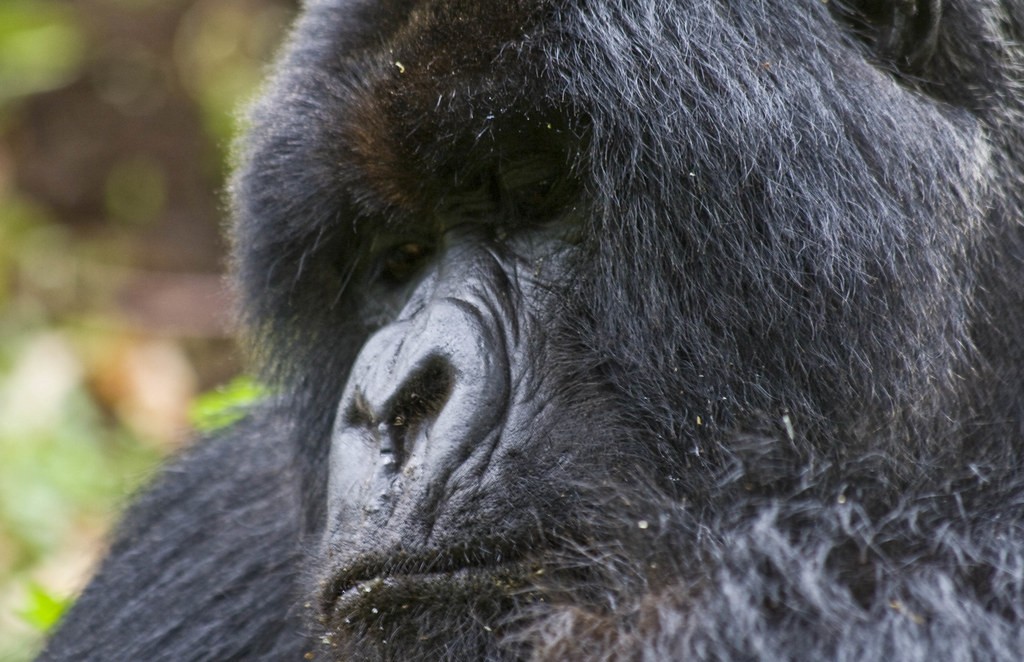

The Ultimate Guide to an Unforgettable Adventure: Uganda gorilla trekking tips
Uganda gorilla trekking tips. Embarking on a journey to Uganda to see mountain gorillas in their natural habitat is more than just a wildlife safari; it is a profound, life-altering encounter. At Katland Safaris, we understand that a trip to the “Pearl of Africa” requires meticulous planning. Whether you are navigating the misty slopes of Bwindi Impenetrable National Park or the volcanic heights of Mgahinga Gorilla National Park, being prepared is the difference between a challenging hike and a transformative experience.
This detailed guide provides the most up-to-date Uganda gorilla trekking tips for 20262027, ensuring you are physically, mentally, and logically ready for the “Gentle Giants.”
Securing Your Gorilla Trekking Permit:
The most critical of all Uganda gorilla trekking tips is to book your permit as early as possible.
Why Early Booking Matters
The Uganda Wildlife Authority (UWA) strictly limits the number of visitors to eight people per gorilla family per day. This is done to minimize human impact and prevent the spread of diseases. For the peak seasons (June–August and December–February), permits often sell out 6 to 10 months in advance.
2026- 2027 Gorilla Permit Pricing
As of 2026, the standard gorilla trekking permit costs:
- Foreign Non-Residents: $800
- Foreign Residents (with work permits): $700
- Rest of Africa Citizens: $500
- East African Citizens: UGX 300,000
The Gorilla Habituation Experience in Uganda
If one hour isn’t enough, consider the Habituation Experience in the Rushaga sector of Bwindi. This allows you to spend four hours with a semi-habituated group for $1,500. It is a deeper dive into gorilla behavior and conservation.
Choosing the Right Sector in Bwindi for Gorilla Trekking
Bwindi is vast, and where you trek matters for your overall itinerary.
Buhoma Sector (The North)
The original trekking site. It features lower elevations and is generally considered to have “easier” treks. It’s perfect for first-timers or those staying at luxury lodges.
Ruhija Sector (The East)
Sitting at a higher altitude, Ruhija is colder and offers stunning views. It is a favorite for birdwatchers and those seeking a more rugged, mountainous feel.
Rushaga and Nkuringo Sectors (The South)
These sectors offer the most challenging terrain. Nkuringo, in particular, involves steep ridges that reward the physically fit with breathtaking views of the Virunga Volcanoes. Rushaga is the only place for the Habituation Experience.
Physical Preparation and Fitness for Gorilla Trekking.
One of the most overlooked tips for Uganda gorilla trekking is fitness. You don’t need to be an Olympic athlete, but you should be “mountain-ready.”
Training for the Terrain
The “Impenetrable” forest lives up to its name. You will be hiking off-trail, through thick vines, over fallen logs, and up muddy slopes at altitudes between 1,100 and 4,500 meters.
- Cardio: Start hiking or walking on inclines at least 8 weeks before your trip.
- Leg Strength: Squats and lunges will help your knees handle the steep descents.
- Altitude: Give yourself a day to acclimate in Entebbe or Kisoro before starting your trek.
Packing the wrong gear can lead to blisters, stings, and soggy clothes. Follow this list to stay comfortable.
Footwear: Your Most Important Choice
- Waterproof Hiking Boots: Ensure they have deep treads and excellent ankle support. Tip: Break them in at home! New boots are the leading cause of trek-ending blisters.
- Gaiters: These prevent safari ants and mud from entering your boots.
Clothing: Layering is Key
- Long-Sleeved Shirts and Trousers: These protect against stinging nettles and sharp branches. Choose moisture-wicking synthetic fabrics; avoid cotton, which stays wet and cold.
- Lightweight Rain Jacket: It can rain at any second in the rainforest, even during the “dry” season.
- Garden Gloves: You will often need to grab onto vines or branches for balance. Durable gardening gloves protect your hands from thorns and itchy plants.
Color Palette Advice
Stick to neutral “bush” colors like khaki, green, and brown. Avoid bright colors (which can distract the gorillas) and camouflage patterns (which are reserved for the military in Uganda).
- Health and Safety Protocols
The health of the gorillas is a top priority. Because they share 98% of our DNA, they are highly susceptible to human respiratory diseases.
Rules for the Encounter
- The 7-Meter Rule: Always maintain at least 7 meters (about 23 feet) from the gorillas.
- Mask Wearing: In 2026, masks are still recommended during the actual hour with the gorillas to prevent disease transmission.
- Health Check: If you have a cold, flu, or stomach upset on the day of the trek, you must volunteer to stay behind. Katland Safaris can help negotiate a permit refund or reschedule based on UWA’s health policies.
- Maximize Your Experience: Hiring a Porter
Even if you are very fit, we highly recommend hiring a local porter at the park headquarters.
Supporting the Community
Porters are often former poachers or residents who now rely on tourism for their livelihood. By hiring one (usually $15–$20), you are directly contributing to gorilla conservation by providing an alternative income for the community.
Functional Benefits
A porter will carry your heavy daypack and, more importantly, give you a “push or pull” on the slippery sections. It allows you to focus on the scenery and your camera rather than struggling with your footing.
- Photography Tips for the Jungle
Capturing the perfect shot of a Silverback in a dark, leafy forest is challenging.
Technical Settings
- No Flash: Flash photography is strictly forbidden as it can agitate the gorillas.
- ISO and Aperture: Be prepared to shoot at high ISO (800–3200) due to the dense canopy. Use a wide aperture (f/2.8 or f/4) to let in more light.
- Fast Shutter Speed: Gorillas move quickly! Keep your shutter speed high to avoid motion blur.
Presence Over Pixels
Our biggest piece of advice? Put the camera down for at least 15 minutes. Watch the mothers groom their infants and listen to the rhythmic crunching of bamboo. The memory is always sharper than the photo.
- Best Time to Visit Uganda
While you can trek year-round, timing affects the ease of the hike.
Dry Seasons (June to August & December to February)
This is the peak time. The trails are drier and less slippery, making for a “standard” difficulty trek.
Rainy Seasons (March to May & October to November)
Don’t dismiss the rainy season! While the trails are muddiest, the gorillas often stay at lower altitudes because food is more abundant. Plus, lodges often offer “low season” discounts, and the forest is at its most vibrant green.
- Frequently Asked Questions about Gorilla Trekking
How long does the trek take?
It can take anywhere from 45 minutes to 7 hours. It all depends on where the gorilla family spent the night. Rangers track them from their last known nesting site.
Is there an age limit?
Yes, the minimum age for gorilla trekking in Uganda is 15 years old.
Can I choose which gorilla family to see?
While you can make a request at the morning briefing based on your fitness level, the final decision rests with the park rangers to ensure group sizes remain balanced.
Plan Your Dream Safari with Katland Safaris
At Katland Safaris, we specialize in crafting culturally rich and conservation-focused itineraries. Our expert guides live and breathe the East African wilderness, ensuring that every detail—from your permit to your packing list—is handled with precision.
Ready to stand in the presence of greatness? Contact us today to begin your journey into the heart of the forest to encounter mountain Gorillas

