
Is It Safe to Go Gorilla Trekking in Uganda? Your Complete 2026 Safety Guide
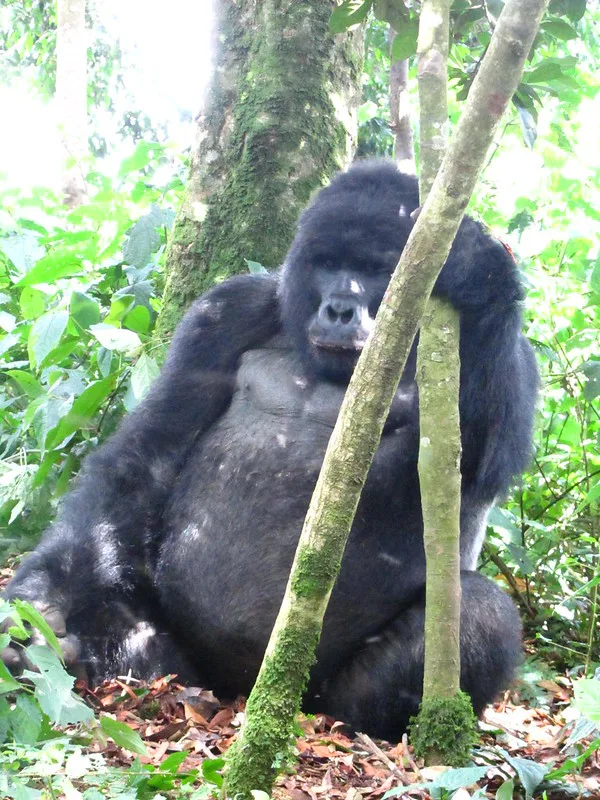
If you are planning a trip to Africa, you likely have one big question: Is it safe to go gorilla trekking in Uganda? At Katland Safaris, we understand that safety is your number one priority. Choosing to stand just a few meters away from a 400-pound silverback gorilla is a brave and life-changing decision.
The short answer is yes, it is very safe. Uganda welcomes thousands of travelers every year to see these gentle giants. However, being “safe” involves more than just the gorillas themselves. It involves park security, health rules, and how you behave in the forest.
In this detailed guide, we will break down everything you need to know about safety during your Uganda gorilla safari in 2026.
Understanding the Safety of Gorilla Trekking in Uganda
Uganda is home to more than half of the world’s remaining mountain gorillas. These primates live in two main areas: Bwindi Impenetrable National Park and Mgahinga Gorilla National Park.
The Ugandan government and the Uganda Wildlife Authority (UWA) take visitor safety very seriously. Because gorilla tourism is a major part of the economy, the protection of tourists is a top priority. From the moment you arrive at the park headquarters to the moment you leave the forest, you are under the care of experts.
Why Uganda is Considered a Safe Destination
Uganda has spent decades refining its tourism safety protocols. The parks are monitored 24/7 by specialized Tourism Police and armed park rangers. Before any tourists enter the forest, an “advanced team” of trackers goes out at dawn to find the gorillas and ensure the trails are clear and safe.
Safety with the Mountain Gorillas: Are They Dangerous?
Many people ask, “Will the gorillas attack me?” It is natural to feel a bit nervous. Mountain gorillas are incredibly strong—much stronger than any human. However, they are known as “gentle giants” for a reason.
The Habituation Process
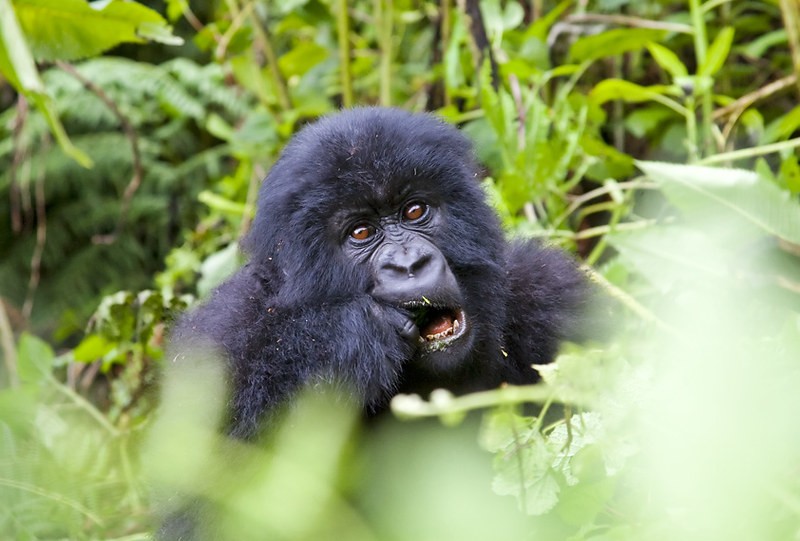
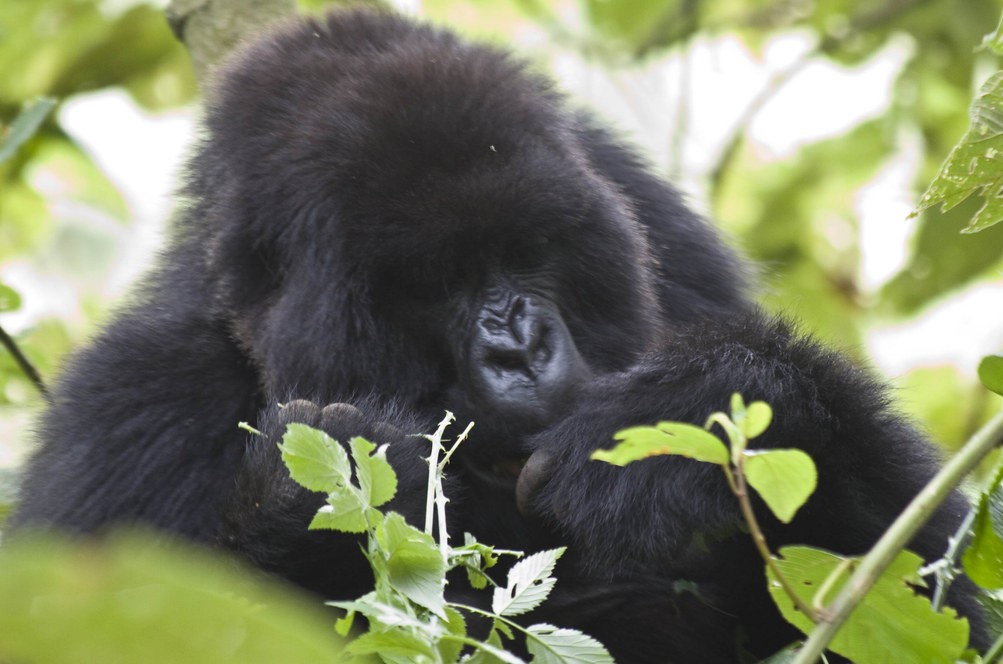
The gorillas you visit are “habituated.” This means they have spent several years (usually 2 to 3 years) getting used to seeing humans every day. They no longer see humans as a threat. When you visit a habituated family, they will likely continue their daily routine—eating, grooming, and playing—as if you aren’t even there.
What Happens if a Gorilla Charges?
While rare, a gorilla may “charge” if it feels threatened or if a young gorilla gets too close. A charge is usually a bluff to show dominance. Your ranger will teach you exactly what to do:
- Do not run: Running triggers a chase instinct.
- Crouch down slowly: This shows the silverback that you are submissive and not a threat.
- Avoid eye contact: Looking a silverback in the eye can be seen as a challenge.
- Stay calm: Follow the low-whisper instructions of your guide.
Professional Rangers and Security Personnel
One of the main reasons it is safe to go gorilla trekking in Uganda is the presence of professional staff.
The Role of Armed Rangers
Every trekking group of eight people is accompanied by at least two armed rangers. One leads the way, and another follows at the back. It is important to know that these rangers are not there because they expect a human attack. They carry weapons primarily to:
- Scare away wild animals: Sometimes you may encounter wild elephants or buffalo. A shot fired into the air is usually enough to clear the path.
- General Security: They ensure that the park remains a protected zone free from any illegal activities.
Expert Guides and Trackers
Your guides are highly trained in gorilla behavior. They can “read” the mood of the gorillas. If a silverback is feeling grumpy, your guide will move the group back. This expert communication ensures that no one—human or gorilla—gets hurt.
Health and Medical Safety: Protecting the Gorillas and You
Safety isn’t just about physical protection; it’s about health. Because humans and gorillas share about 98% of the same DNA, gorillas can catch human diseases like the common cold, flu, or COVID-19.
Staying Healthy on Your Trek
To keep the forest safe, Uganda enforces strict health rules:
- The 10-Meter Rule: You must keep a distance of at least 10 meters (about 32 feet) from the gorillas.
- Sick Policy: If you have a cough, fever, or cold on the day of the trek, you will not be allowed to go. This is to protect the endangered gorillas. (At Katland Safaris, we can help you navigate the process of rescheduling or getting a partial refund in such cases.
- Wearing Masks: In 2026, it is still standard practice to wear a face mask when you are in the presence of the gorillas to prevent any breath-borne germs from reaching them.
Physical Safety: Navigating the “Impenetrable” Forest of Bwindi.
The terrain in Bwindi and Mgahinga is rugged. You will be hiking through thick vines, over fallen trees, and up steep, muddy hills.
Tips for Staying Safe on the Trail
- Hire a Porter: We highly recommend hiring a local porter. Not only does this support the community, but the porter will also hold your hand and steady you on slippery paths.
- Use a Walking Stick: These are usually provided at the park headquarters. They are essential for balance.
- Wear the Right Gear: Good hiking boots with ankle support prevent sprains. Long trousers and sleeves protect you from “stinging nettles” and insects.
Is it Safe for Solo Travelers and Women?
Uganda is a very welcoming country for solo travelers. At Katland Safaris, we provide private transportation and expert drivers who stay with you throughout your journey. Whether you are traveling alone or in a group, the security measures in the parks remain the same. The local communities around Bwindi are very friendly and benefit directly from your visit, so they are very protective of tourists.
What to Pack for a Safe Trek
To stay safe and comfortable, make sure your packing list includes:
- Waterproof Hiking Boots: To prevent slipping.
- Gardening Gloves: To protect your hands when grabbing branches for support.
- Insect Repellent: To keep away mosquitoes and tsetse flies.
- Energy Snacks and Water: To stay hydrated and keep your energy up during a 6-hour hike.
Frequently Asked Questions (FAQs)
Is Uganda safer than the DR Congo for gorilla trekking?
Yes. Currently, Uganda is considered more stable and has more consistent park security than the Democratic Republic of Congo (DRC).
What is the age limit for gorilla trekking?
The minimum age is 15 years old. This is because children are more likely to carry childhood diseases and may not follow the safety instructions if a gorilla approaches.
Do I need travel insurance?
Yes! We always recommend that our guests have comprehensive travel insurance that covers emergency medical evacuation, just in case of a slip or fall in the forest.
The Verdict: Is It Safe?
Yes. When you follow the rules, listen to your guides, and respect the wildlife, gorilla trekking in Uganda is one of the safest and most rewarding adventures you can ever experience. The combination of armed protection, expert animal trackers, and strict health protocols makes Uganda a world leader in primate tourism safety.
Experience the Magic of Uganda with Katland Safaris
Are you ready to look into the eyes of a mountain gorilla? At Katland Safaris, we don’t just book a tour; we manage every safety detail so you can focus on the moment. From picking the best trekking sector to providing expert local guides who know every inch of the forest, we ensure your journey is seamless and secure. if you are wondering whether Is it safe to go gorilla trekking in Uganda, Book your Uganda Gorilla Safari today and let us take you on an adventure of a lifetime! Contact Katland Safaris to Start Planning Your Safe Adventure