
Underrated ecotourism places in Africa | Africa`s hidden ecotourism gems | Untouched destination blending adventure and sustainability.
Underrated ecotourism places in Africa
Africa`s landscape often evokes visions of the Serengeti`s expansive grasslands, the Okavango delta`s meandering wetlands, or South Africa’s renowned big five safaris, yet beyond eco-tourism experience awaits discovery. For explorers craving genuine, immersive, and eco adventures, the continent conceals lesser-known treasures that remain mercifully unscathed by the mass tourism footprint. This narrative serves as a guide to Africa`s most underappreciated eco-adventure havens- places where nature flourishes, conservation thrives, and local communities reap benefits from responsible tourism practices. Let`s explore the uncharted eco-tourism wonders of Uganda, Zambia, Malawi, and the sea.
Uganda, the Pearl of Africa of the Underrated ecotourism places in Africa
Uganda`s gorilla trekking: A blend of conversation, community, and adventure.
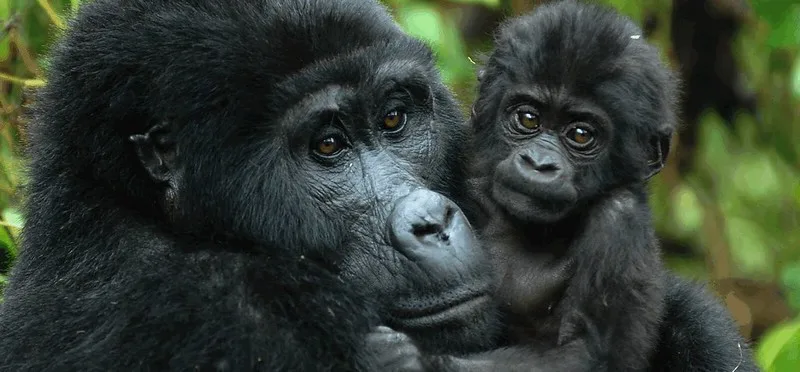
Uganda’s Beauty is justifiably anchored in the majestic mountain gorillas inhabiting Bwindi Impenetrable National park affording one of the planet’s most extraordinary wildlife experiences. Gorilla trekking in Uganda harmoniously integrates conservation endeavours, wildlife safeguarding, cultural legacy, and community participation, optimizing a fusion of sustainable tourism and adventure fulfilment.
Beyond the awe-striking gorilla trek, Uganda offers a good selection of sustainable tours, wild landscapes ranging from dense rainforests to golden savannahs, providing a rich mix of wildlife encounters, thrilling hikes, and cultural immersion.
Bwindi Impenetrable National Park: Premier sustainable gorilla trekking tourism hub.
Bwindi shelters almost half of the planet’s surviving mountain gorillas, establishing it as a paramount conservation location globally. Venturing through the park’s fog-enveloped forests presents a physically demanding yet fulfilling experience. Guided by seasoned trackers, visitors traverse rugged topography seeking habituated gorilla cohorts, culminating in intimate observations of their capturing social behaviours.
What makes Bwindi distinctive?
Wild gorilla encounters: Witness gorillas in their natural habitat while supporting conservation and community welfare via tightly regulated eco-tourism frameworks.
Eco-tour trip: Book a trekking permit or gorilla trekking trip that contributes to gorilla conservation projects and community – based initiative supporting schools and health care.
Kibale National park: Uganda`s primate Capital of the World
Kibale National Park stands as a primate sanctuary, harbouring more than 1,500 chimpanzees alongside other notable primates such as a red colobus and hoest`s Monkeys. This park exemplifies biodiversity and the conservation process, positioning itself as a top choice for eco-aware travellers craving immersive primate encounters within Uganda`s lush tropical woodlands. Here, adventurers can partake in exhilarating chimpanzee trekking excursions, penetrating pristine rainforest depths to track these captivating creatures.
Why is it special?
Primate density: Africa`s most concentrated primate habitat, offering opportunities to observe intricate primate behaviours in an unspoiled environment.
Untouched wilderness: Kibale`s virgin forests provide a natural backdrop for witnessing primate dynamics
Eco-tourism suggestions.
Accommodation: Choose the Primate Lodge or Ndali lodge, both eco-friendly lodges aligning with conservation objectives for a harmonious stay.
Conservation: Experiences like chimpanzee habituation contribute to vital research and park conservation
Queen Elizabeth National Park: Unique wildlife experience and water-based adventures
While traditional game drives are a major draw, Queen Elizabeth National Park distinguishes itself with an exceptional mix of ecosystems and immersive activities. The Ishasha sectors renowned for its rare population of tree-climbing lions, an extraordinary sight that captivates visitors. Beyond the expensive savannah allows for close-up encounters with large pods of hippos, Nile crocodiles, and a dazzling array of bird species. Another lesser-known highlight is Kyambura Gorge, often referred to as the “valley of the Apes.”
This lush, tropical ravine offers unforgettable chimpanzee trekking experiences through dense forest terrain, adding yet another dimension to the park`s diverse eco-adventures.
Why it stands out: The rare combination of the tree-climbing lions, chimpanzee trekking, and boat safaris all within one richly varied landscape.
Eco tour trip: For the best chance to spot the tree-climbing lions, plan your visit to the Ishasha sector during the dry season. Stay at eco-conscious accommodations like Ishasha wilderness camp or Kyambura Gorge lodge, both built with sustainability in mind, designed to blend seamlessly with the natural environment.
Zambia The home of walking and canoe safari.| Underrated ecotourism places in Africa
For those seeking an alternative to traditional 4×4 game drives. Zambia offers an unmatched eco-tourism experience that brings you closer to nature than ever before. As the birthplace of the walking safari, the country invites travellers to explore a wild on-foot experience that is educational and profoundly personal. Whether it’s tracking lions through the bush or discovering the traditional uses of native plants, every step reveals a deeper connection to the land. With its vast, untouched wilderness, Zambia provides an opportunity for meaningful encounters with wildlife and conservation in ways that go far beyond the typical Safari.
South Luangwa National Park: Wilderness at your feet. | Underrated ecotourism places in Africa
Often described as one of Africa‘s remaining untamed parks, South Luangwa National Park is a place where wilderness still thrives. It’s here that the iconic walking safari was first pioneered, giving travellers the chance to leave the vehicle behind and step directly into the heart of the African bush. On foot, guests track lions, catch the scent of passing elephants, and interpret the land. The stillness of the park is profound, broken only by the haunting call of fish eagle or the soft rustle of leaves – every sound becomes part of an intimate dialogue with nature. As traveller Mark Jenkins recalls, “our guide froze, whispered, stay still: and we watched as the leopard melted into the shadows. A moment so pure. It felt prehistoric.
Lower Zambezi National Park: Canoeing among Giants
In lower Zambezi National Park, Canoe Safaris offer an eco – friendly alternative to traditional game drives, allowing travellers to move quietly through the landscape.
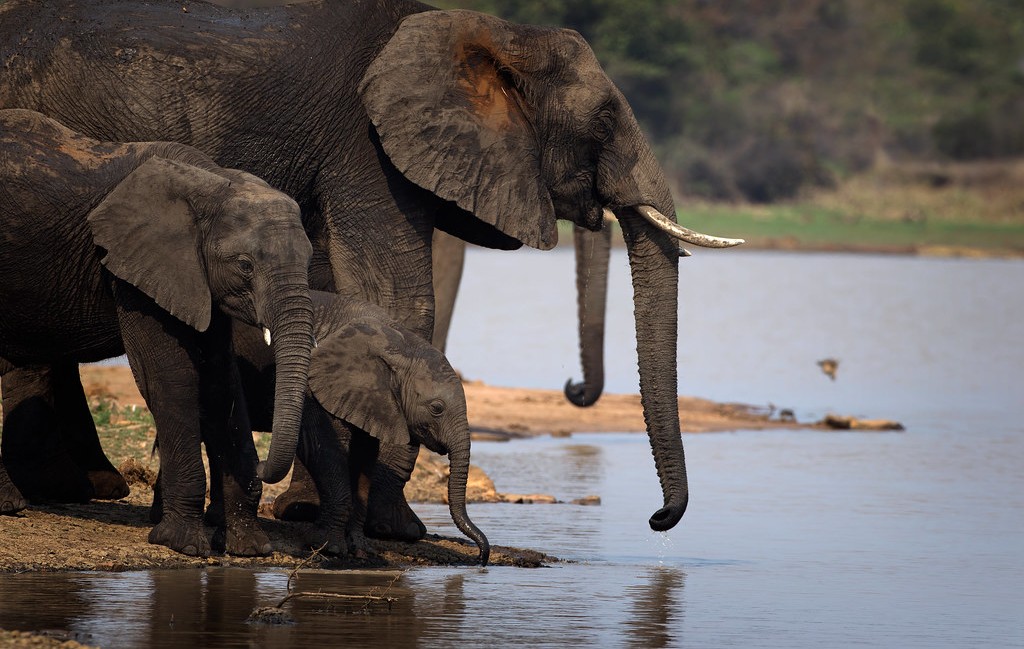
With minimal environmental impact. As you paddle along the Zambezi river, elephants can often be seen wading gently in the shallows, while hippos surface nearly, their deep bellows resonating across the water. The scene low – impact natural habitat also helps protect the area by encouraging sustainable tourism in one of Africa’s most untouched riverine ecosystems.
MALAWI
Malawi, often overlooked in favour of its larger neighbours, offers sustainable tours both above and below the water. With a reputation for being one of Africa’s friendiest country, to one of the world’s most biologically diverse freshwater systems.
Lake Malawi National Park: Snorkelling in freshwater paradise.
Often referred to as Africa`s great inland sea, Lake Malawi is an ecologically rich body of water teeming with life. It harbors over 1,000 species of fish. The lake’s crystal clear water provides some of the finest opportunities for freshwater snorkeling and diving, messing visitors in an underwater realm of colourful fish weaving through rocky formations
What is its uniqueness? The lake is so biologically unique that Charles Darwin himself would have been in awe.
Nyika National Park: Horse riding safaris & Mountain trails
Nestled in Malawi`s highlands, Nyika National Park is a striking contrast to the traditional African safari landscape, with rolling green hills stretching into the distance reminiscent of the Scottish Highlands. The park’s unique plateau ecosystem is home to an array of wildlife, including zebras, roan antelopes, and the exclusive leopards that stalk through the grass. As an ecotour hub, Nyika offers sustainable horseback safaris and mountain biking trails, allowing visitors to engage with nature in a low-impact way. The park`s commitment to conservation ensures that its diverse flora and Fauna continue to thrive, providing travellers with an unspoiled wilderness experience that blends adventures responsibility. British filmmaker David Attenborough called Nyika “one of Africa`s best kept secrets.” After filming here, he described it as “wild, remote, and breathtaking.”
What is its uniqueness: It is one of the few places in Africa where you can go on a houseback safari blending adventure with conservation.