
Essential Packing Guide for a Murchison Falls Safari – Packing for a Murchison Falls Safari
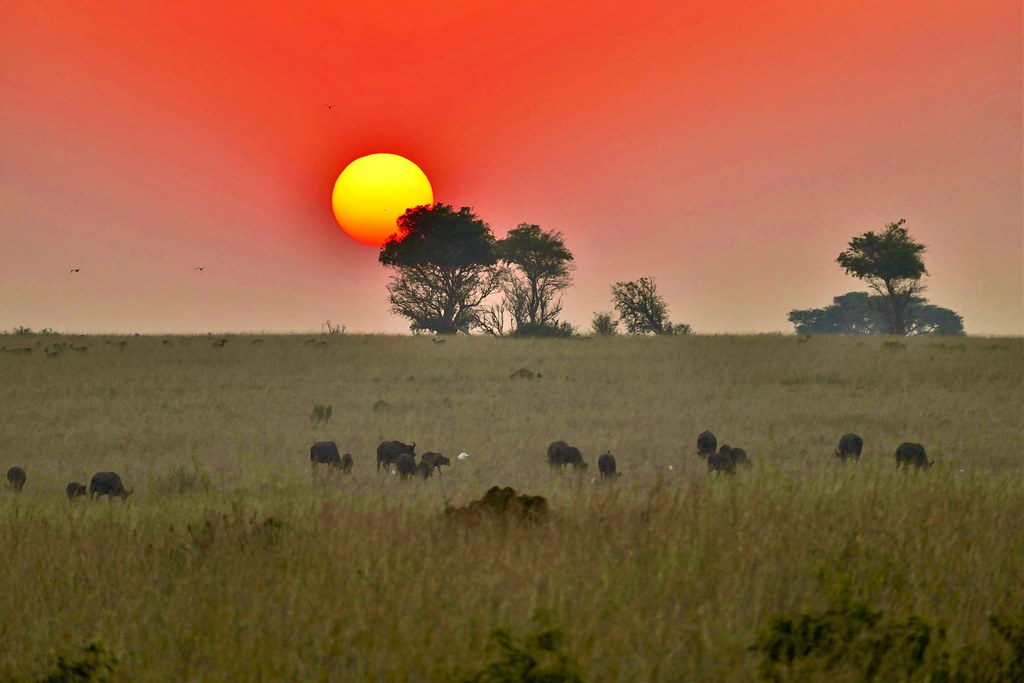
Preparing for a safari in Murchison Falls National Park is an exciting part of the adventure, but packing correctly can make the difference between a smooth, enjoyable trip and one full of avoidable challenges. Murchison Falls is known for its powerful waterfalls, dramatic landscapes, thriving wildlife populations, and diverse activities from game drives across the northern savannah to boat safaris along the Nile and hikes to the top of the falls. With such varied environments, being well-prepared ensures you stay comfortable, safe, and ready to enjoy every moment.
The climate in Murchison Falls can shift quickly: mornings may feel cool, mid-days can be intensely sunny, and evenings may bring a light breeze. Dusty roads, occasional rain, and long days outdoors require practical clothing and durable gear. Because the park is located in a tropical region, insect protection and sun safety are essential. Additionally, since you’ll be far from major towns while inside the park, it’s best to carry everything you may need, from toiletries to backup power sources for your camera and phone.
Equally important is your travel documentation. Uganda requires a yellow fever vaccination card for entry, and having your passport, visas, and insurance documents organized and accessible will help you avoid complications during your journey. A safari in Murchison Falls also involves long hours in vehicles or on boats, so bringing items like binoculars, a camera, and a comfortable daypack will enhance your wildlife viewing and travel experience.
Documents and Health
A successful safari begins with having the correct documentation and health essentials. A yellow fever vaccination card is mandatory for entering Uganda, so ensure it’s packed safely with your passport and visa documents. Keep travel insurance papers in an easily accessible pouch in case of emergencies or delays. A first-aid kit is vital for remote areas, including prescription medications, bandages, antiseptic wipes, and pain relievers. Lastly, pack a strong insect repellent preferably one with DEET to protect against mosquitoes and tsetse flies commonly found in tropical regions.
Clothing
For maximum comfort and practicality, choose lightweight, neutral-colored clothing such as khaki, beige, or olive green. These colors blend well with the environment and help avoid attracting insects. Long-sleeved shirts and trousers offer extra sun and insect protection, especially during activities like forest walks or primate trekking. Mornings and evenings can be cool, so carry a warm layer such as a fleece or light jacket. Sturdy, closed-toe walking shoes are important for uneven terrain make sure they’re broken in before your trip. Bring sandals for relaxing at camp, along with a sun hat, sunglasses, and a scarf or bandana for dust protection during game drives. Swimwear may be useful if your lodge has a pool.
Gear and Accessories
Enhance your safari experience with essential gear. Binoculars are a must for spotting wildlife at a distance, while a camera with extra batteries and memory cards ensures you capture every moment. A power bank is useful in areas where electricity may be limited. Carry a daypack for game drives and hikes to store items like water, snacks, and sunscreen. A refillable water bottle helps you stay hydrated throughout the day, and a flashlight or headlamp with spare batteries is invaluable for nighttime use around lodges.
Other Items
Don’t forget personal toiletries, as some remote lodges may not provide everything. Protect your skin with sunscreen and SPF lip balm, and bring cash and credit cards for tips, souvenirs, or incidental purchases. For quiet moments between activities, pack light entertainment such as a book or journal to enhance your downtime in the heart of the wilderness.