
What Is the History of Queen Elizabeth National Park? Facts Every Traveler Should Know when planning a wildlife safari to Uganda.
History of Queen Elizabeth National Park.
Queen Elizabeth National Park is one of Uganda’s oldest, most diverse, and most celebrated protected areas, known for its breathtaking landscape, unique wildlife sightings, and rich cultural heritage. The park plays a central role in Uganda’s tourism history.
Exploring the origins and interesting facts about these remarkable conservation areas helps visitors appreciate not just their beauty but their importance in East Africa’s ecological story.
Early history and establishment
The area that is now Queen Elizabeth National Park has a long history of human and wildlife interaction. For centuries, local communities such as the Basongora pastoralists lived around the shores of Lake Edward and Lake George, co-existing with animals in the savannas and wetland ecosystems. Archeological studies show that the rift valley region was inhabited thousands of years ago, with early groups relying on fishing, hunting, and cattle keeping
The journey to becoming a protected area began in the early 20th century when British colonial administrators recognized its ecological value. In 1952, the area was officially designated as Kazinga National Park. This move aimed to protect the region’s wildlife, which has been declining due to uncontrolled hunting and human settlement
A year later, in 1954, the park was renamed Queen Elizabeth National Park in honor of Queen Elizabeth’s visit to Uganda. Her loyal tour boosted the park’s reputation and positioned it as one of East Africa’s premier safari destinations
Geographical and ecological significance.
Queen Elizabeth National Park sits in the Albertine Rift Valley, one of the world’s most biodiverse regions. It stretches across about 1,978 square kilometers, incorporating savanna, lakes, wetlands, riverine forests, underground forests, and volcanic formations
The park’s location between the Rwenzori mountains and lakes Edward and George enhances its ecological richness. The Kazinga Channel, a 32-kilometer natural waterway, links the two lakes and supports some of the highest hippo densities of the continent.
The park’s varied ecosystem supports large populations of mammals, birds, reptiles, and insects, making it a top destination for nature lovers and researchers.
Wildlife history and conservation challenges in its early years, Queen Elizabeth National Park has a thriving wildlife population, including lions, elephants, leopards, hyenas, and antelopes. However, during the political turmoil of the 1970’s and 1980’s, poaching and illegal hunting severely damaged wildlife numbers. Elephants and large predators were particularly affected
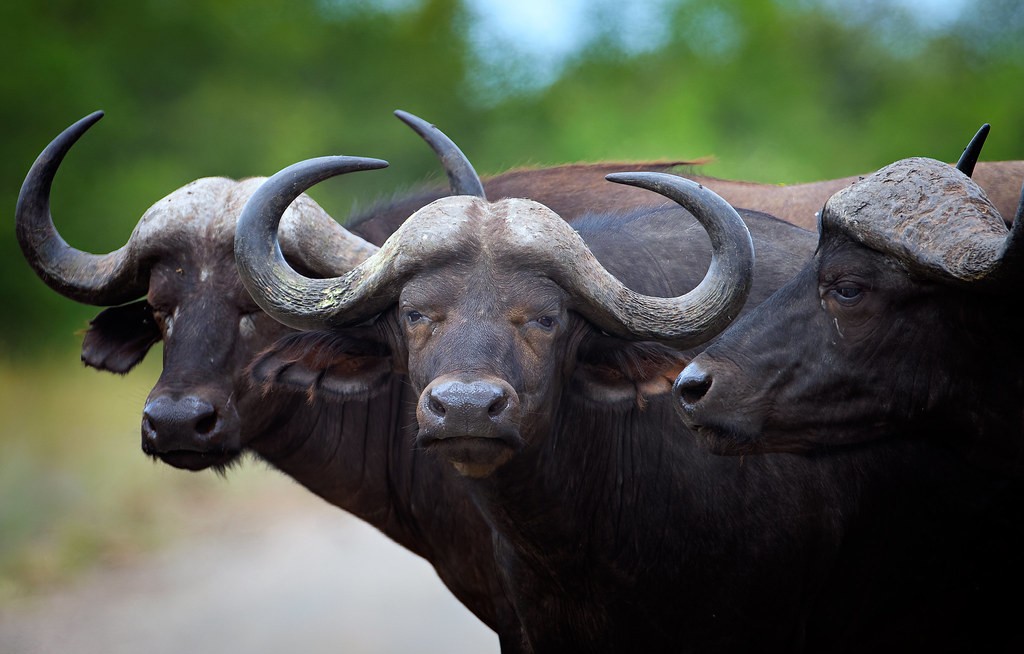
Thanks to strong conservation programs by the Uganda Wildlife Authority, community partnerships, and international support, these populations have steadily recovered. By the 2000s, the park once again became famous for tree-climbing lions in Ishasha, large herds of elephants and buffaloes, thriving hippo communities along the Kazinga Channel, and over 600 bird species, making it a global bird hotspot. The efforts helped restore the park’s reputation as a leading safari destination.
Important historical events
Several notable events highlight the park’s historical significance.
Queen Elizabeth 11’s visit (1954)
Her visit led to the preservation of the park, making it a conservation area of royal significance
Discovery of explosion craters
The northern crater field contains dozens of extinct volcanic craters. These formed thousands of years ago during violent eruptions and were later integrated into the park as scenic attractions.
In 2005, lion research expansion, the Uganda carnivore program expanded its lion monitoring efforts in the park, helping project the famous tree climbers of Ishasha.
Community resettlement, historically, some pastoral communities were relocated from within the park boundaries to reduce human-wildlife conflict, shaping the park’s present geography.
Unique facts about the park
It has one of Africa’s highest hippo densities along the Kazinga Channel
The park contains more than 30 crater lakes, many formed by ancient volcanic explosions
It is one of the few places in the world where visitors can see tree-climbing lions.
Maramagambo forest is home to rare bat caves with resident pythons.
The Mweya Peninsula offers panoramic views surrounded by water on all sides
The park lies directly on the equator, allowing visitors to stand in both hemispheres
In conclusion, the history of Queen Elizabeth National Park reflects Uganda’s commitment to wildlife conservation, cultural heritage, and sustainable tourism. From its origin as Kazinga National Park, to its current state as a premier destination for visitors with its rich, diverse wildlife and remarkable geological features. Whether you are drawn by lions, hippos, volcanic creatures, or historical significance. Queen Elizabeth National Park remains one of the most treasured natural wonders in the world.