Walking Safaris in Murchison Falls National Park: Exploring Uganda’s Wilderness on Foot

Walking Safaris in Murchison Falls National Park: Exploring Uganda’s Wilderness on Foot
Walking safaris in Murchison Falls National Park. Murchison Falls National Park is often celebrated for its sweeping savannah, powerful river scenery, and classic game drives, but one of the most immersive ways to experience the park is on foot. Walking through this vast landscape allows you to appreciate details that are often missed from a vehicle, such as subtle sounds in the undergrowth, delicate plant species, colorful birds darting across the path, and the earthy scent of the forest floor. For travelers who enjoy a slower pace and a deeper connection with nature, guided hikes and nature walks offer a more intimate perspective of Uganda’s largest and oldest conservation area.
Because the park is home to a variety of wildlife, including elephants, buffalo, hartebeest, bushbucks, baboons, and even big cats, walking in the park is strictly regulated and always conducted under the supervision of a trained guide or Uganda Wildlife Authority ranger. These professionals ensure visitor safety, interpret the ecosystem, and help trekkers make the most of each moment on the trail. Whether you’re seeking the dramatic vantage point at the top of the falls, exploring ancient forests, searching for rare birds, or tracking rhinos on a nearby sanctuary, Murchison Falls National Park offers rewarding and unforgettable walking experiences for nature lovers, adventure seekers, and wildlife enthusiasts alike.
Hiking to the Top of Murchison Falls
One of the signature walking experiences in the park is the hike to the summit of Murchison Falls, a journey that brings visitors face-to-face with the sheer force of the Nile. Here, the calm river that meanders through the park is suddenly squeezed into a narrow gorge barely seven to eight meters wide before plunging more than forty meters into a churning pool below.
The contrast between the peaceful upstream flow and the explosive energy of the falls makes this hike particularly dramatic. Most travelers begin the hike after disembarking from a boat at Baker’s Point, and the guided ascent typically takes around forty-five minutes. Along the way, several lookout spots reveal stunning views of the cascading water, misty spray, and rainbows forming in the sunlight. At the top, trekkers rejoin their vehicles, often pausing to admire the panoramic scenery and the sheer volume of water tumbling through the gorge.
Nature Walks in the Forested Areas
Beyond the open savannah and riverbanks, Murchison Falls National Park is also home to pockets of lush forest that provide a completely different experience on foot. Walking through these wooded areas opens a window into quieter ecosystems where primates, rare birds, and impressive indigenous trees thrive. Kaniyo Pabidi, located on the southern edge of the park, is one of the most rewarding forest zones to explore. The area is dominated by towering mahogany and ironwood trees and is well known for its chimpanzee tracking activities. Even those not participating in chimp tracking find the forest rich with birdlife, including species such as the chocolate-backed kingfisher and white-thighed hornbill. Another charming woodland area is Rabongo Forest, a small island of tropical greenery surrounded by sweeping grasslands. Guided walks here introduce visitors to a variety of plant species, medicinal herbs, primates, and birds, making it ideal for anyone who appreciates quieter, more contemplative nature encounters.
Guided Walks in the Nile Delta Wetlands
For bird lovers, the Lake Albert Delta offers one of the most exceptional walking experiences in the region. This area, where the river spreads into swampy channels before flowing into Lake Albert, is rich in biodiversity and one of the best places on the African continent to search for the elusive shoebill stork. Guided swamp walks typically last between two and four hours and take visitors through marshy riverbanks and papyrus stands, accompanied by an expert who understands the habitat and the behavior of the species that live here. Because the delta is a prime feeding ground for the shoebill, sightings are often rewarding, and the tranquil setting provides a peaceful contrast to the thunderous energy of the main falls area.
Important Safety Information for Walkers
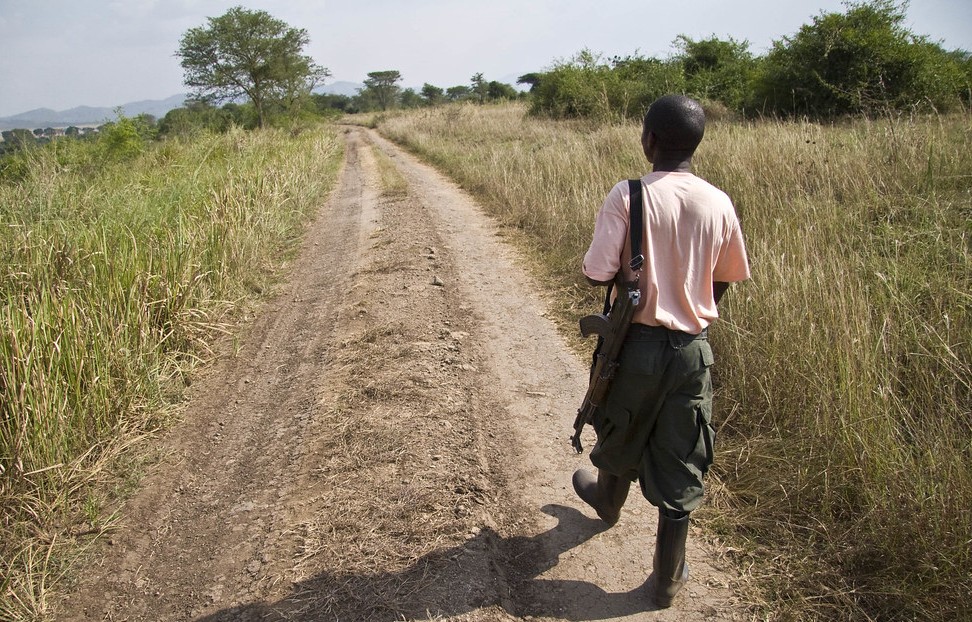
Walking in Murchison Falls National Park is only permitted under the guidance of a trained and often armed ranger who understands wildlife behavior and how to navigate the terrain safely. Because the park is home to large animals and unpredictable wild environments, independent exploration is not allowed.
The dry months from June to September and December to February are the most suitable for hiking, as trails tend to be firmer and less slippery.
Visitors should come prepared with sturdy walking shoes, insect repellent, protective clothing, drinking water, and a camera to capture the beautiful landscapes encountered along the way. A light rain jacket is also useful, as weather conditions can change quickly.