Uganda Safari Guide: Parks, Towns, Weather, and Lodges
Getting to Uganda
Most international travelers enter Uganda through Entebbe International Airport (EBB), which sits on the shores of Lake Victoria and is roughly 40 km from Kampala depending on traffic. Entebbe connects to major African hubs and international routes, making it easy to link Uganda with Kenya, Rwanda, South Africa, and beyond. Many safaris begin with an airport pickup and an overnight in Entebbe or Kampala to rest after the flight. Road travel in Uganda is straightforward on the main highways, but access roads into national parks can be slower, especially in rainy months. Domestic flights also support safari planning, especially to places like Kidepo and the Bwindi/Kisoro area through nearby airstrips. If you plan gorilla trekking, permit availability matters more than flight timing, so permits should be secured first.
Uganda Safari Parks
Bwindi Impenetrable National Park
Bwindi is Uganda’s top gorilla trekking destination and one of Africa’s most important rainforest conservation areas. The park is famous for mountain gorillas, but it also supports other primates, forest elephants, and a rich variety of butterflies and plant life. Birding is exceptional here, with many Albertine Rift endemics that serious birders travel specifically to see. Bwindi is divided into four main tourism sectors: Buhoma, Ruhija, Rushaga, and Nkuringo, and your accommodation should match your trekking sector to avoid long early-morning drives. Gorilla trekking starts with a morning briefing at the sector headquarters, followed by a guided hike that can be short or long depending on the gorillas’ location. Because Bwindi is a highland rainforest, you should expect steep slopes, mud, and sudden rain, so proper boots and rain protection are essential.
Queen Elizabeth National Park
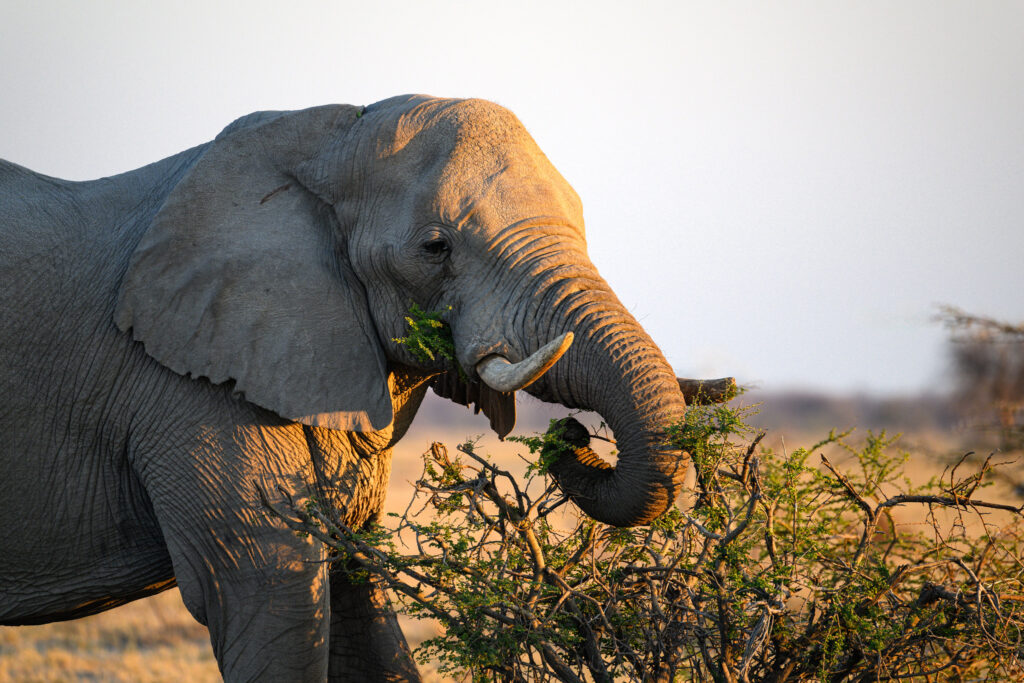
Queen Elizabeth National Park is one of Uganda’s best all-round safari parks because it combines savannah wildlife, wetland ecosystems, and outstanding birdlife. The park protects a wide range of mammals, and it is especially strong for elephant, buffalo, hippo, Uganda kob, and waterbuck sightings. A major highlight is the Kazinga Channel boat cruise, which often delivers close views of hippos, crocodiles, and birds at the water’s edge. The park has two key game viewing areas, the Kasenyi Plains in the north and the Ishasha sector in the south, which is famous for tree-climbing lions. Landscapes here feel diverse, with crater lakes, open plains, and rift valley backdrops that make game drives scenic. Queen Elizabeth also links very well with Bwindi, which is why many itineraries combine these two parks in one trip.
Murchison Falls National Park
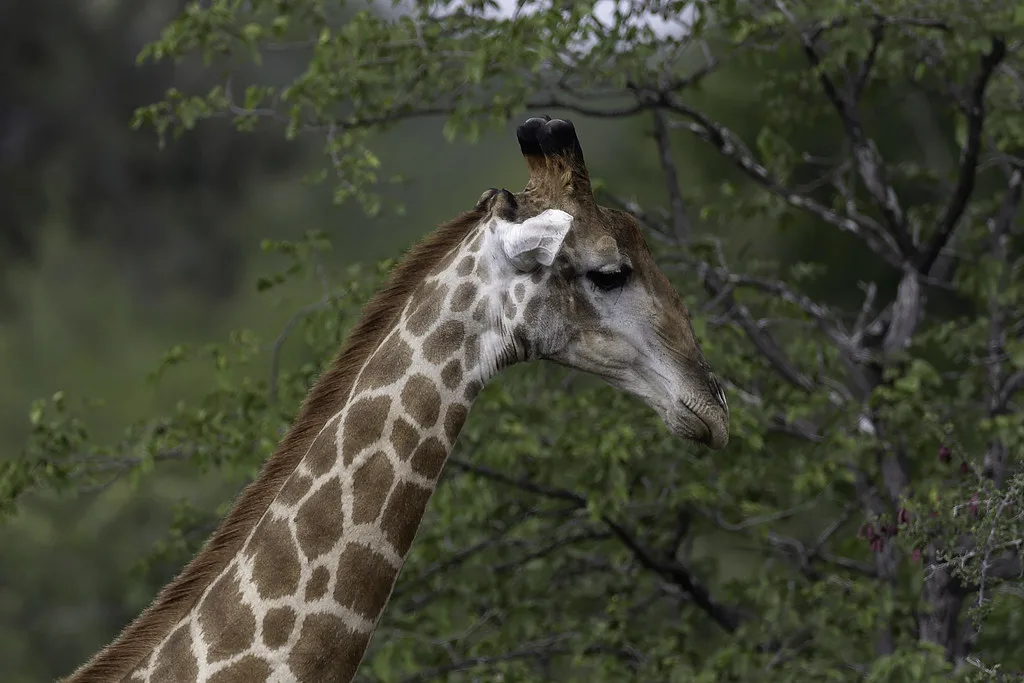
Murchison Falls is Uganda’s largest national park and one of the most dramatic because the Nile explodes through a narrow gorge to form the famous waterfall. The park is split by the Nile into northern and southern sectors, and the north is especially strong for classic game drives. Wildlife commonly includes giraffe, elephant, buffalo, lion, and a variety of antelope across open savannah and woodland. The Nile boat safari to the base of the falls is a signature experience because it gives close views of hippos, crocodiles, and water birds. The southern side links well with Budongo Forest for chimpanzee tracking and forest walks, adding primates to a wildlife itinerary. Murchison is ideal for travelers who want big landscapes, river experiences, and a strong mix of game viewing and photography.
Kibale Forest National Park
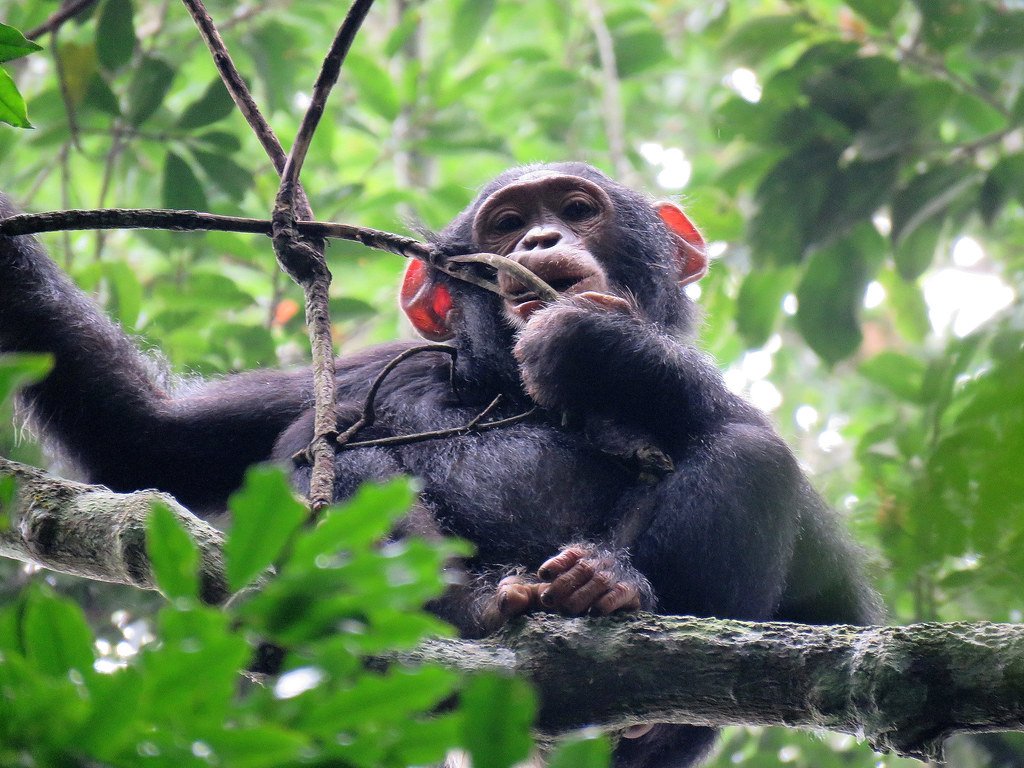
Kibale is widely known as Uganda’s primate capital because it offers some of the best chimpanzee tracking in Africa. The forest supports a high diversity of primates, including colobus monkeys, red-tailed monkeys, and L’Hoest’s monkeys, alongside many forest birds. Chimp tracking here is well organized and suits both serious primate lovers and first-time safari travelers. Kibale’s landscape also feels gentle and scenic, with crater lakes and tea estates around Fort Portal, which makes this region relaxing between more intense safari drives. The park supports a strong guided-walk culture, so nature walks and community experiences often complement chimp tracking. Kibale pairs naturally with Queen Elizabeth because the drive connection is easy and the safari rhythm feels balanced. For travelers who want gorillas plus chimps in one trip, Kibale usually becomes a key stop.
Mgahinga Gorilla National Park
Mgahinga is Uganda’s smallest gorilla park, but it offers a very special setting because it sits on the Virunga volcano slopes near the borders with Rwanda and Congo. The park supports mountain gorilla trekking and is also famous for golden monkey tracking, which many travelers add as a second primate experience. Mgahinga’s scenery feels alpine and dramatic, with bamboo zones, volcanic ridges, and cooler temperatures. Because it is small and less visited than Bwindi, the atmosphere often feels quieter and more exclusive. Hiking here is a major attraction, especially for travelers who want volcano hikes as part of the safari. Mgahinga works best when you base around Kisoro and combine activities across the region. If you want a gorilla trek with extra hiking and scenic variety, Mgahinga fits very well.
Rwenzori Mountains National Park
Rwenzori is Uganda’s top destination for serious hiking and mountain trekking, known for rare afro-alpine landscapes and challenging routes. The mountains are associated with the “Mountains of the Moon” legend and have a unique ecology with giant lobelias and moss-draped forests. Travelers come for multi-day treks rather than classic safari drives, and routes vary from moderate hikes to technical summit climbs. If you plan high peak climbing, you need correct gear and proper guidance because conditions can be cold and wet. The Rwenzori experience feels remote and adventurous, and it appeals strongly to hikers who want something different from wildlife viewing. The region also links well with Queen Elizabeth, so some itineraries mix game viewing with trekking. If your clients want a real mountain challenge in East Africa, Rwenzori is the headline option.
Mount Elgon National Park
Mount Elgon offers hiking routes that are generally less technical than other East African peaks, making it a good choice for trekkers who want altitude without extreme difficulty. The park features caves, waterfalls, forested slopes, and wide caldera landscapes shaped by ancient volcanic activity. Trekking here can be planned as shorter hikes or multi-day routes depending on time and fitness. Because the mountain is not overly high compared to Kenya’s biggest peaks, altitude issues are usually less intense, but fitness still matters. The scenery and cultural connection to local communities make the experience feel grounded and authentic. Dry months provide easier trail conditions than wet months, but the park remains accessible most of the year. Mount Elgon works well for travelers who want hiking as an add-on to a Uganda safari circuit.
Lake Mburo National Park
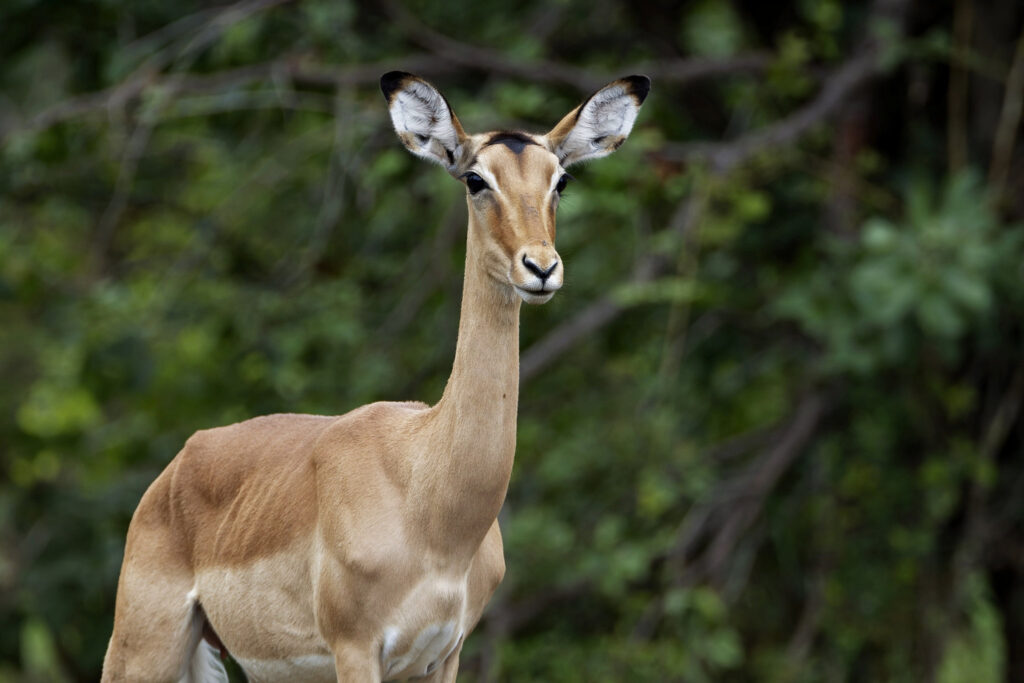
Lake Mburo is a compact and scenic park that works perfectly as a stopover between Kampala and the southwestern safari region. It is especially good for zebra, impala, and a strong range of acacia-associated bird species. The landscape feels gentle and photogenic, with rolling hills, lake shores, and open savannah patches. Lake Mburo also supports activities that many larger parks don’t emphasize as much, including walking safaris and cycling experiences in some areas. Because it is close to the main road, it fits well for shorter itineraries or as the first wildlife stop before heading to Bwindi. Game viewing is enjoyable, and the relaxed feel makes it ideal for families or first-time safari travelers. If you want an easy wildlife experience without long drives, Lake Mburo delivers strongly.
Semliki National Park
Semliki sits in the Albertine Rift and offers a different safari feel because it protects lowland forest species linked to the Congo Basin. The park attracts birders and naturalists who want species that are rare or absent in other parts of Uganda. It is also known for hot springs and a humid, tropical atmosphere that feels completely different from the highland gorilla region. Semliki works best for niche travelers who already have key highlights like gorillas and classic game viewing planned. Access is more effort compared to mainstream parks, which keeps visitor numbers low and the experience quiet. If your client wants “rare and different,” Semliki is a strong answer. This park adds biodiversity depth rather than classic big game density.
Kidepo Valley National Park
Kidepo is Uganda’s most remote classic savannah safari park and one of the most rewarding for travelers who want dramatic wilderness. The park sits in the far northeast and offers big skies, open plains, and a raw safari atmosphere that feels different from the western circuit. Predator sightings can be excellent, and the region supports species that are difficult to see elsewhere in Uganda. Because of its distance, Kidepo is best for travelers who can add extra days or use domestic flights. The cultural dimension is also strong in the wider region, especially for travelers interested in northern Uganda’s communities and landscapes. Kidepo suits photographers and repeat Africa travelers who want something uncrowded. If time allows, it often becomes a client’s favorite park.
Major Towns and Safari Gateways
Entebbe
Entebbe is Uganda’s main arrival point and a good place to rest before or after safari because it sits on Lake Victoria with a relaxed feel. Travelers often use Entebbe for the first night to recover from flights and handle early morning departures smoothly. Key attractions include the Uganda Wildlife Education Centre, the botanical gardens, and lakefront restaurants with a calm atmosphere. Entebbe’s location makes it easy to connect to the Ssese Islands, Jinja, or Kampala depending on itinerary style. Accommodation ranges from simple guesthouses to high-end hotels, so it fits different budgets. For safari planning, Entebbe is important because it reduces stress on arrival and departure days. It is also the best place to start early drives without battling Kampala traffic.
Jinja
Jinja is Uganda’s adventure capital and a strong add-on for travelers who want activity beyond wildlife. The Source of the Nile experience, white-water rafting, quad biking, kayaking, and river cruises make Jinja ideal for younger groups and active families. The town also works well as a cultural and relaxation stop because it has good accommodation and a lively food scene. Jinja’s tourism value comes from variety, since you can combine soft activities like sunset cruises with high-adrenaline rafting. It also fits well on routes that include Kampala and eastern Uganda. Many travelers enjoy Jinja as a “different pace” break between long safari drives. If your safari product needs adventure, Jinja is the best place to sell it.
Kampala
Kampala is Uganda’s capital and the center for culture, history, nightlife, and local markets. Visitors who want a city day can explore sites like the Kasubi Tombs area, major cathedrals, and city viewpoints, depending on time and interests. Kampala is busy and energetic, so it works best as a short experience rather than a long base for most safari travelers. It is also the logistics center for road safaris because most major highways branch from the capital region. Travelers who want deeper cultural context can add food experiences, craft markets, and guided city tours. Kampala is most useful for itinerary flow when clients arrive early and want one cultural day before heading to the parks. If you keep it organized, Kampala adds real depth to a Uganda safari.
Ssese Islands
The Ssese Islands offer a quiet lake escape on Lake Victoria and work well as a recovery stop after long safari travel. The islands feel like a beach holiday without the ocean, with sandy shores, palm-lined views, and slow-paced island life. Travelers often use Ssese at the end of a safari to rest after gorilla trekking, game drives, and long road transfers. Activities include boat rides, fishing, nature walks, and community visits, depending on where you stay. Accommodation is simple to comfortable rather than ultra-luxury, and the charm comes from the relaxed environment. Ssese suits honeymoon-style relaxation and travelers who want a soft finish. It also fits well because it is not far from Entebbe for departure.
Uganda Weather and Climate
Uganda Seasons Explained
Uganda generally has a tropical climate with warm days and cooler nights, but altitude changes everything, especially in the gorilla region. The country experiences two broader patterns: drier periods and wetter periods, though rain can fall at any time, especially in rainforest zones. Drier months often include June to August and December to February, which usually bring better road and trail conditions in many safari areas. Wetter months commonly include March to May and September to November, when rains can make some routes slower and trails muddier. Even in wet season, most days still have sunshine, so trips remain enjoyable with proper planning. For gorilla trekking, clients should pack for rain regardless of the month because Bwindi and Mgahinga can change quickly.
Best Time for Gorilla Trekking in Uganda
Gorilla trekking runs all year, but the most comfortable trekking months are often January, February, June, July, August, and early September because trails are less muddy and hikes feel easier. Drier months also reduce dense vegetation, which can improve viewing and photography angles inside the forest. In wetter months, gorilla sightings remain strong, and sometimes trekking distances feel shorter because food is widely available and gorillas may not move far. The main challenge in wet season is trail condition, not gorilla availability. Permit demand usually rises in dry months, so booking early becomes more important. If the goal is easier trekking, choose drier months, but if the goal is fewer crowds, wet months can be a smart option.
Safari Lodges in Uganda
Bwindi Accommodation by Sector
Bwindi accommodation should always match your trekking sector because sectors are far apart and morning transfers can be exhausting. In Buhoma, popular options include Buhoma Lodge, Silverback Lodge, Mahogany Springs, and Buhoma Community Rest Camp, which range from comfortable midrange to upscale eco-stays. In Rushaga, strong choices include Ichumbi Gorilla Lodge, Rushaga Gorilla Camp, and Nshongi Camp, with several options positioned close to briefing points. In Nkuringo, Nkuringo Bwindi Gorilla Lodge and Clouds Mountain Gorilla Lodge are well known for views and service, with sector-friendly access. In Ruhija, travelers often choose Ruhija Gorilla Lodge and Gorilla Mist Camp for a quieter, higher-altitude stay. Because availability moves fast in peak season, it helps to reserve accommodation as soon as your permits are confirmed.
Kibale Forest Accommodation
Kibale’s best stays focus on comfort, forest access, and a calm atmosphere around Fort Portal. Primate Lodge Kibale is a strong option for travelers who want close access and a classic forest feel. Turaco Tree Tops and Kibale Forest Camp suit travelers who want a balance of comfort and value with good location. Chimpanzee Forest Guest House is another practical choice for guests who want simplicity and proximity. Many lodges here pair well with crater lake experiences and tea estate scenery, which adds relaxation between primate activities. If you are building a chimps-and-gorillas itinerary, Kibale accommodation becomes a key quality factor. Early booking still matters, especially in the busy months.
Queen Elizabeth National Park Accommodation
Queen Elizabeth has lodge options that support both game drives and the Kazinga Channel experience. Mweya Safari Lodge is a classic high-comfort base with strong location advantages. Properties like Enganzi Game Lodge are popular for guests who want a quieter lodge feel with good views. Depending on your exact route and sector, you can also choose lodges positioned for Kasenyi game drives or Ishasha tree-climbing lions. The right lodge choice depends on whether your itinerary focuses more on the channel cruise, Kasenyi, Ishasha, or a mix. Queen Elizabeth works best when accommodation supports your main activity timing. Matching lodge location to sector saves hours and increases wildlife time.
Murchison Falls Accommodation
Murchison offers river-facing and savannah-based stays that work well for game drives and Nile boat safaris. Paraa Safari Lodge is one of the best-known options and works well for travelers who want comfort close to key activities. You can also select midrange lodges near the park’s prime game viewing zones depending on your route. The main idea in Murchison is to stay where you can easily access early game drives and the boat launch points without long transfers. If your clients plan chimp tracking in Budongo, it helps to align your accommodation choice with that activity route. Murchison is a big park, so lodge positioning matters a lot. Book early for peak travel months because river-view rooms fill fast.