Key Tourism Highlights in Rwanda
Rwanda’s main attractions include Volcanoes National Park for gorillas and golden monkeys, Nyungwe National Park for chimpanzees and canopy walks, and Akagera National Park for savannah wildlife and boat safaris. Kigali adds cultural depth through museums and memorial sites, while Lake Kivu offers beach-style relaxation, sunsets, and scenic towns like Rubavu (Gisenyi) and Karongi (Kibuye). Travelers also enjoy craft markets, coffee experiences, and historical sites such as the King’s Palace area around Nyanza. Rwanda is a strong choice for travelers who want a smooth safari with good roads, short drives, and reliable guiding. It also works well for short trips because many highlights can be reached within a few hours from Kigali. The country’s safety reputation and cleanliness add confidence for first-time visitors.
Rwanda Safari Parks and Key Destinations
Akagera National Park
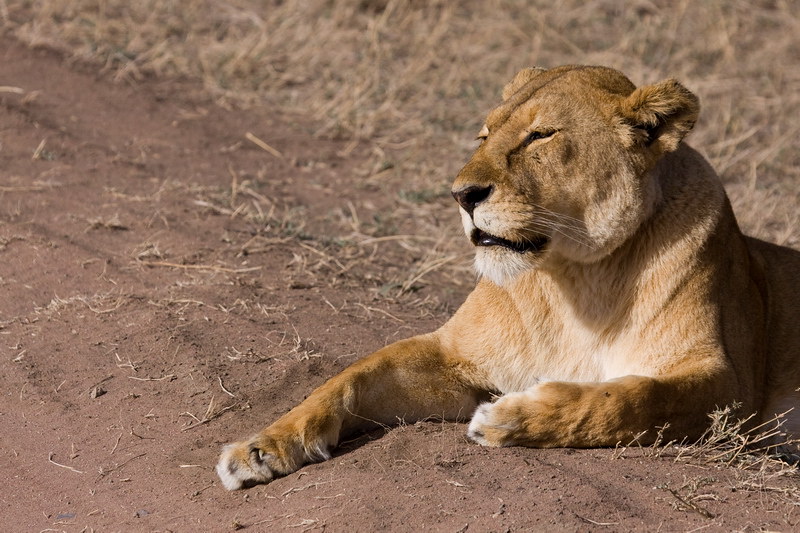
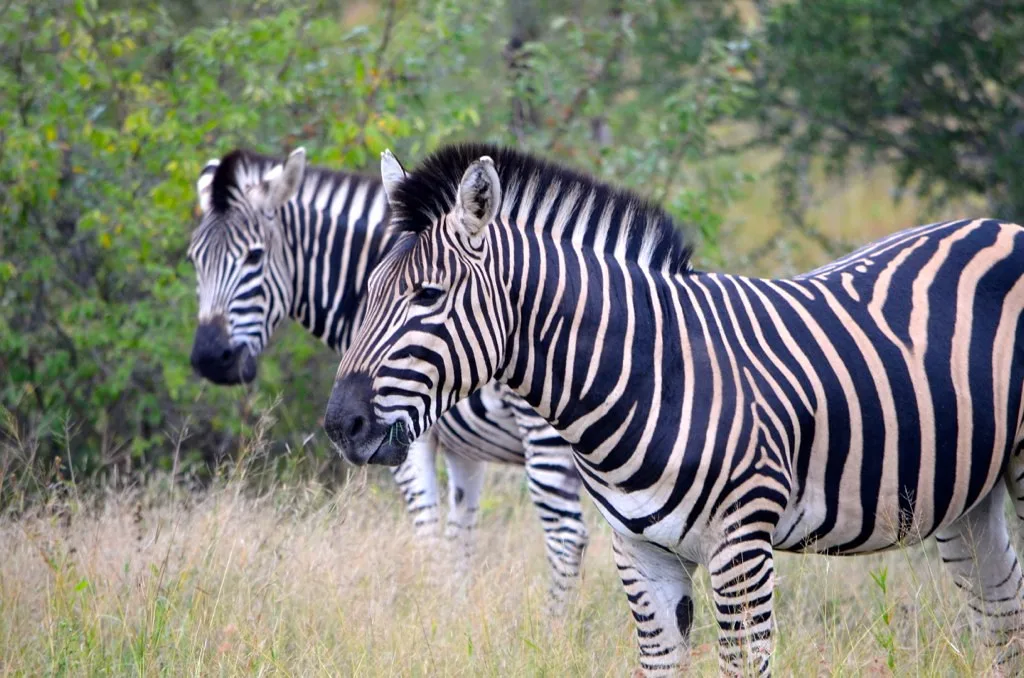
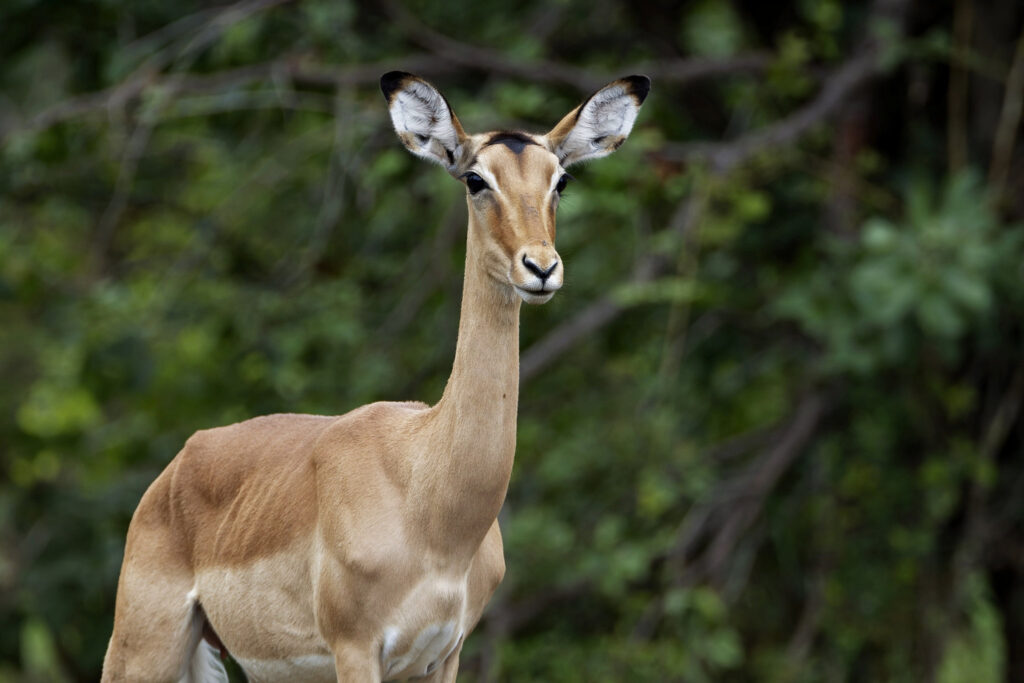
Akagera National Park sits in eastern Rwanda along the Tanzania border and protects a mix of savannah, woodland, papyrus swamps, and lakes. The park is named after the Akagera River system, which feeds lakes such as Lake Ihema and supports excellent birdlife. Akagera is Rwanda’s classic Big Game destination, known for game drives with elephant, buffalo, giraffe, zebra, and many antelope species. Predators, including lion and leopard, are present, and sightings improve with good guiding and time in the park. A boat safari on Lake Ihema is a major highlight because it delivers close views of hippos, crocodiles, and water birds. Akagera is ideal for travelers who want a wildlife safari that balances game drives with water-based experiences.
Nyungwe Forest National Park
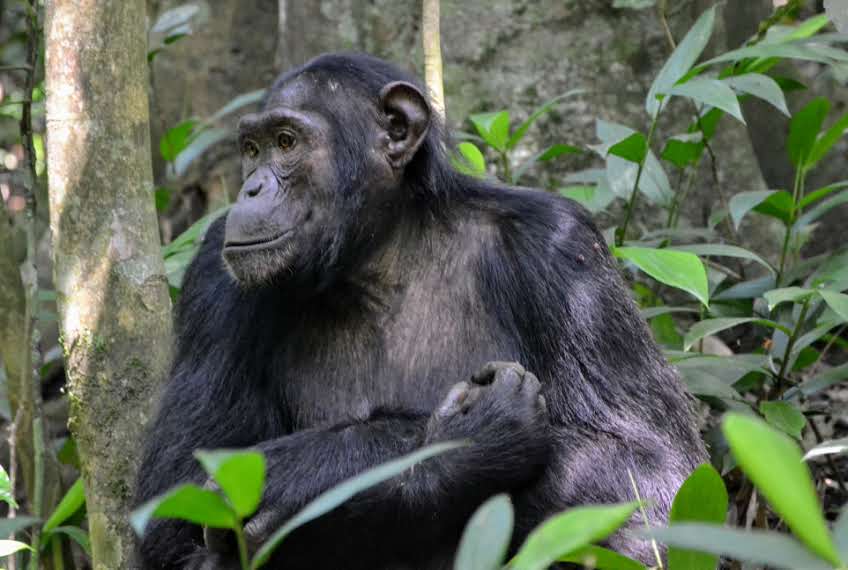
Nyungwe sits in southwestern Rwanda and protects one of Africa’s oldest montane rainforests. It is Rwanda’s top destination for primates and forest biodiversity, with chimpanzees being the main draw for most visitors. Nyungwe also supports many other primates, including colobus monkeys and several forest species that make the park rewarding for both wildlife lovers and birders. The canopy walk adds a dramatic perspective over the forest and is one of Rwanda’s most popular nature experiences. Guided hikes range from short trails to full-day walks, and many itineraries include waterfalls and viewpoints. Nyungwe is a strong match for travelers who want an active safari with hiking, forest scenery, and deep nature immersion. It pairs well with Lake Kivu for a softer recovery after trekking.
Volcanoes National Park
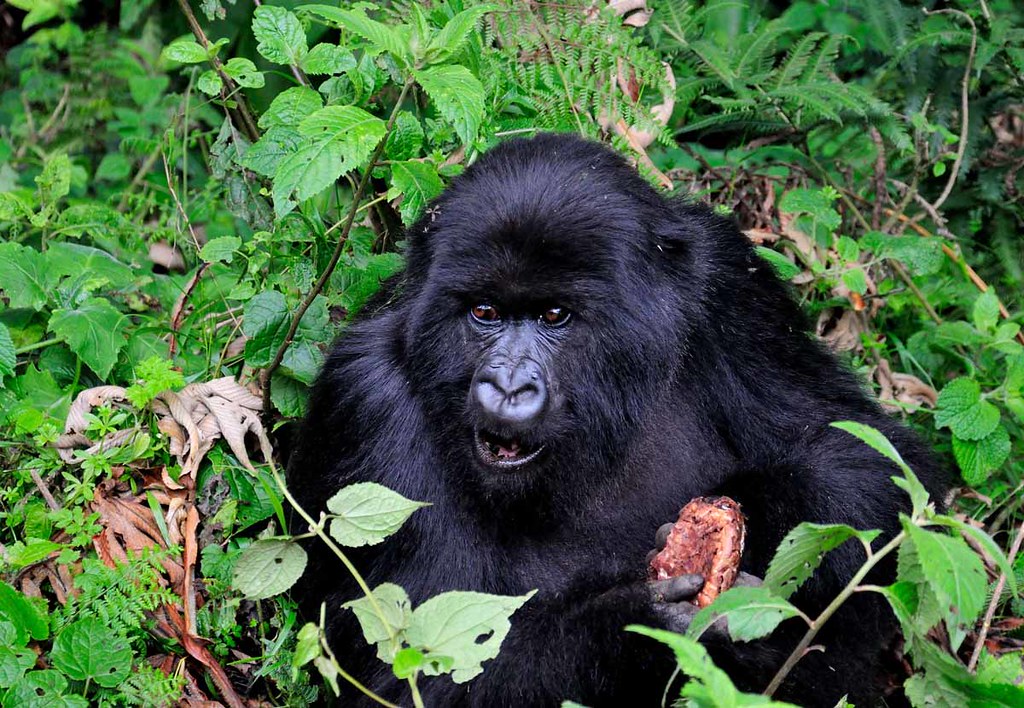
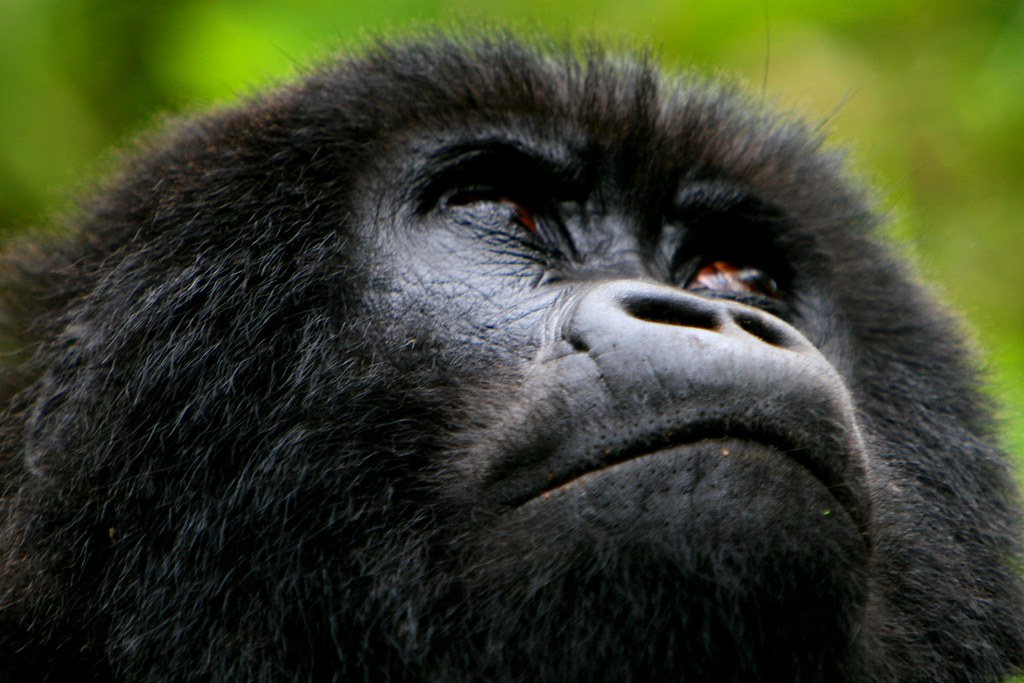
Volcanoes National Park in northwestern Rwanda is the country’s flagship gorilla destination and one of Africa’s most famous wildlife areas. The park sits in the Virunga Mountains and includes major volcanoes, with Mount Karisimbi rising above the surrounding peaks. Gorilla trekking here is well organized and accessible from Kigali in roughly two to three hours, depending on traffic and stops. Volcanoes National Park is also known for golden monkey tracking and scenic hikes, including a hike related to Dian Fossey’s conservation legacy. The landscape blends bamboo forest, afro-montane vegetation, and volcanic slopes that create a dramatic trekking environment. Rwanda’s gorilla experience suits travelers who want premium logistics, high-quality guiding, and strong conservation focus. Because demand is high, securing permits and the right lodge early is important.
Lake Kivu
Lake Kivu is Rwanda’s main relaxation destination and feels like a beach holiday without the ocean. Rubavu (Gisenyi) is the most popular lakeside town, and it works especially well as a recovery stop after gorilla trekking in Volcanoes National Park. Travelers come for sunset views, boat rides, fresh fish meals, and quiet lakeside stays that slow the pace of the itinerary. The Congo Nile Trail adds extra adventure through long cycling and hiking routes along the lake’s shores. Lake Kivu also links well with Nyungwe Forest by road, allowing an easy circuit between primates and relaxation. For many travelers, Lake Kivu becomes the best “rest day” on the whole Rwanda safari. It is also a smart finishing point before returning to Kigali.
Gishwati–Mukura National Park
Gishwati–Mukura is Rwanda’s newest national park and a growing conservation story focused on restoring threatened forest habitats. The park sits along the ridge that separates the Congo and Nile catchments, adding strong ecological importance beyond its small size. It supports chimpanzees and several monkey species, plus a high number of bird species including Albertine Rift endemics. Gishwati–Mukura is quieter and less visited than the major parks, so it suits travelers who want a more private, nature-focused experience. Activities typically include guided forest walks, birding, and primate viewing depending on conditions. The park also fits well for travelers who want a conservation-themed add-on between Volcanoes and Lake Kivu. It is best sold as a niche, low-crowd experience rather than a mainstream safari stop.
Best Time to Visit Rwanda
Best Months for Wildlife and Safari Travel
Rwanda can be visited year-round, but the most comfortable safari months are during the drier periods. The most popular travel windows are June to September and December to February, when rainfall is lower and roads are easier. These months also suit wildlife viewing in Akagera because animals concentrate more around water and visibility improves. Trekking conditions in Volcanoes and Nyungwe also feel easier in drier months because trails are less muddy and slippery. Rwanda’s tourism calendar is strong during these periods, so permits and lodges tend to sell out early. If your goal is easier travel and trekking, dry months are usually the best pick.
Gorilla and Chimpanzee Trekking Seasons
Gorilla trekking in Volcanoes National Park and chimp trekking in Nyungwe can be done all year. The most comfortable trekking months are usually January, February, June, July, August, and early September because trails are firmer and visibility can be clearer. The wetter months, especially March to May and October to November, bring thicker vegetation and more slippery trails, but treks can sometimes be shorter because food is abundant and primates may not range far. The key point is that trekking rarely stops due to rain, and sightings remain strong with good park management. Travelers who want fewer crowds often prefer the wetter months. Permits and lodge availability still matter more than weather if dates are fixed.
Rwanda Weather and Climate
Rwanda Climate Basics
Rwanda has a tropical climate moderated by altitude, which means days can be warm while mornings and evenings feel cool, especially in the highlands. Temperatures remain fairly consistent, but rainfall shifts by season and region. Volcanoes National Park is cooler due to altitude, and Nyungwe is humid and wet because of dense rainforest. Akagera is warmer and drier compared to the western forests, giving it a more classic savannah climate. This variety means travelers should pack layers and rain protection even in dry months. Climate understanding helps set realistic expectations for trekking comfort and road travel.
Dry and Wet Seasons in Rwanda
Rwanda’s drier periods typically run from June to September and December to February, which many travelers find best for trekking and general safari travel. Wetter periods usually fall in March to May and October to November, bringing more frequent rain and muddier trails in the parks. Even in the wet season, sunshine still appears on many days, so travel remains enjoyable with correct packing. Rain affects trekking comfort more than it affects sightings, because primates remain present and guides track them daily. Roads to major parks are generally good, but rain can slow travel on some rural sections. Packing properly is the best solution for Rwanda’s changing conditions.
Rwanda Safari Lodges and Hotels
Kigali City Hotels
Kigali offers Rwanda’s widest range of hotels, from business-class comfort to luxury stays. Popular high-end choices include Kigali Marriott Hotel, Kigali Serena Hotel, and Radisson Blu Hotel Kigali, all known for reliable standards and professional service. Midrange options such as ONOMO Hotel Kigali and well-located city hotels also work well for safari stopovers. Kigali is ideal for the first and last night of a Rwanda safari because it reduces pressure on arrival and departure days. Many travelers also include a short city tour or a memorial visit before heading to the parks. Hotel choice in Kigali depends on whether the trip is luxury-focused or value-focused, but comfort and location both matter.
Volcanoes National Park Lodges
Volcanoes National Park has Rwanda’s most famous safari lodges because gorilla trekking is the country’s top experience. Premium properties include Bisate Lodge, Virunga Lodge, and Sabyinyo Silverback Lodge, all known for strong service and excellent settings. Midrange and comfortable options include Five Volcanoes Boutique Hotel, Le Bambou Gorilla Lodge, and Gorilla Nest Lodge, depending on availability and travel style. Kinigi Guest House is a practical choice for travelers who want a simpler base close to the park headquarters. Lodge selection here should focus on access to the briefing point and post-trek recovery comfort. Because this area sells out quickly, early booking is essential.
Nyungwe Forest National Park Lodges
Nyungwe’s top luxury stay is One&Only Nyungwe House, which offers premium comfort and direct access to forest experiences. Other options include Nyungwe Top View Hill Hotel, Gisakura Guest House, and additional lodges positioned to support chimp trekking and canopy walks. Nyungwe accommodation should prioritize proximity to the trek briefing points to reduce early travel time. Because Nyungwe can be cool and wet, lodges with good heating, strong food service, and dry spaces add real value. Many travelers stay two nights to fit chimp trekking and at least one forest activity. Nyungwe works best when the lodge supports early departures and relaxed evenings.
Akagera National Park Lodges
Akagera offers a strong safari-lodge feel with options ranging from luxury camps to midrange lodges. Magashi Camp is one of the most premium safari experiences in Rwanda, built for travelers who want high-end service and exclusivity. Other solid options include Ruzizi Tented Lodge for a nature-focused tented stay and additional lodges such as Akagera Game Lodge and Akagera Rhino Lodge for practical comfort near key park areas. Lodge choice should match how many game drives and boat safaris are planned. Akagera rewards early mornings, so staying close to the action improves sightings. Booking early is important in peak season because lodge capacity is limited.
Gishwati–Mukura National Park Lodges
Accommodation around Gishwati–Mukura is still developing compared to the older parks. Gishwati Lodge is the primary option often used by travelers exploring this newer park. Because the area is quiet and niche, lodge availability may vary by season and updates. Gishwati is best planned as a short nature stop with a strong conservation narrative. Travelers should treat accommodation here as part of the experience rather than expecting many competing options. This destination suits visitors who want rare, low-crowd Rwanda experiences.
Lake Kivu Hotels and Resorts
Lake Kivu stays focus on relaxation, lake views, and a calm rhythm after trekking and long drives. Popular options include Lake Kivu Serena Hotel for classic lakeside comfort and properties such as Gorillas Lake Kivu Hotel, Palm Beach Resort, and other resorts that offer shoreline access and sunset experiences. Many travelers choose Rubavu (Gisenyi) for its easy connection to Volcanoes National Park. Karongi (Kibuye) works well for a quieter lake escape with scenic viewpoints. Lake Kivu accommodation should prioritize location, views, and easy access to boat rides or lakeside walks. It is one of the best places to end a Rwanda safari on a relaxed note.