
How much is gorilla trekking in Uganda in 2026
Gorilla trekking in Uganda remains one of the most extraordinary wildlife experiences in the world, and in 2026, the cost structure is clear and well defined by the Uganda Wildlife Authority (UWA). While the price may feel high at first glance, they directly support conservation, ant poaching patrol, veterinary care, and community development programs around gorilla habitats.
Below is a detailed breakdown of how much gorilla trekking costs in Uganda in 2026 and what you should expect to budget.
Gorilla trekking permit cost in 2026,
The gorilla trekking permit is mandatory. Without it, you can participate in a trek. The 2026 official permit ranks are:
- Foreign non-Residents: USD 800 per person.
- Foreign Resident: USD 700 per person.
- East African citizens: UGX 300.000 per person.
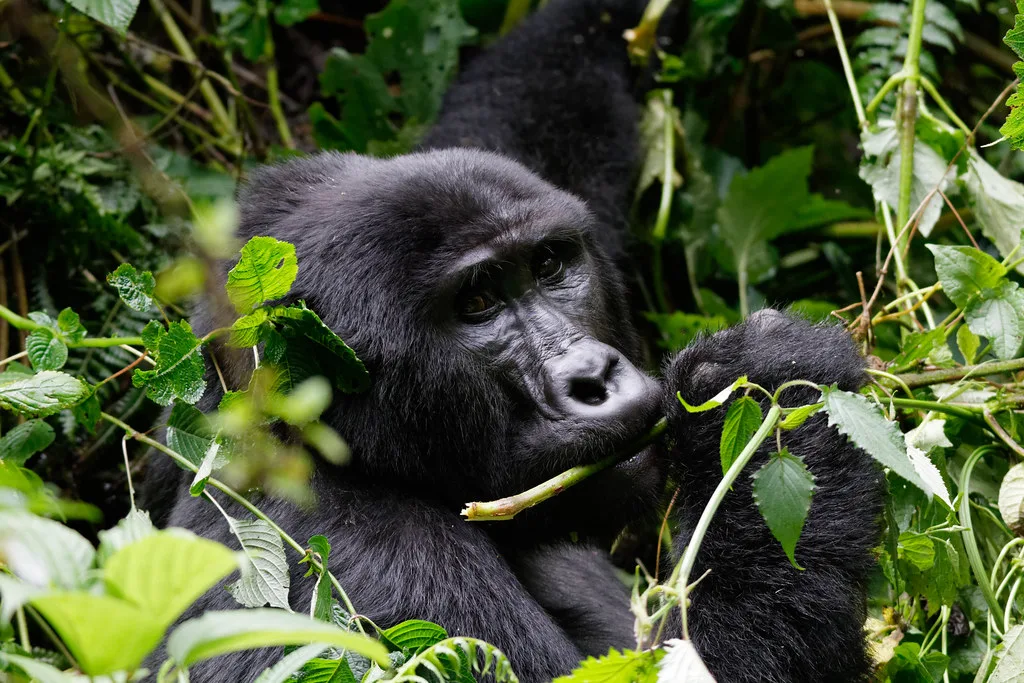
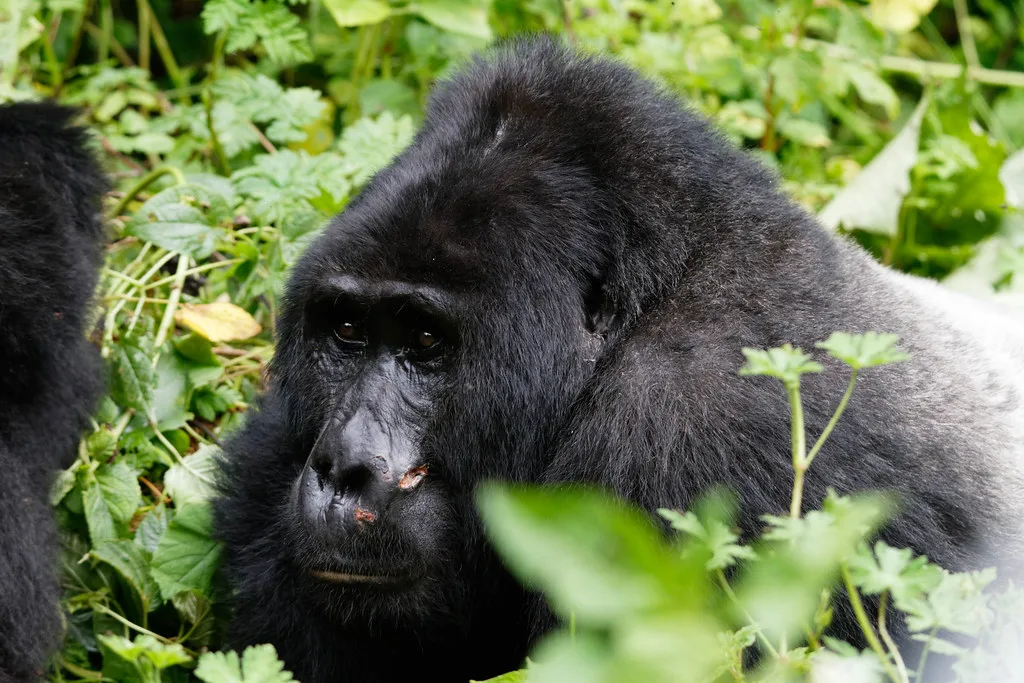
This permit allows you to spend one full hour with a habituated mountain gorilla family after trekking through the forest. The price includes park entry fees, ranger guides, trackers, and security. Only a limited number of permits are issued per day, which helps to protect the gorillas and manage tourism sustainably.
For travelers who want danger and a more immersive experience, Uganda also offers the Gorilla habituation Experience, which allows up to four hours with semi- habituated gorillas.
The 2026 rates are:
- Foreign nonresidents: USD 1,500
- Foreign residents: USD 1,000
- East African citizens: UGX 750,000
This option is mainly available in the southern sector of Bwindi and is ideal for photographers and researchers.
Where gorilla trekking takes place.
In Uganda, gorilla trekking happens in two national parks: Bwindi Impenetrable National Park and Mgahinga Gorilla National Park. Bwindi is the most popular destination because it hosts the largest number of habituated gorilla families. Mgahinga is smaller and quieter but equally rewarding.
Total safari cost beyond the permit.
Although the permit is the highest single cost, your total gorilla trekking expense depends on accommodation, transportation, and tour arrangements. Most visitors book a 3-day or 4-day safari package.
Budget safari ranges from USD 1.00 to 1,500 per person. This usually includes: Gorilla permit (USD 800).
Budget lodge from 50 to 100 per night, shared 4 x 4 transport from Kampala to Entebbe, meals during the safari, and driver guide services. This is the most affordable way to trek, especially for backpackers or students.
Mid-range safari from USD 1.600 + 2.800 per person. This includes: permit, comfortable lodge with private bathrooms, private 4×4 vehicle, full-board meals, professional guide, bottled water, and park fees. This is the most common choice for international tourists.
Luxury safari from USD 3.000 TO 5000 + per person.
Luxury packages may include: high-end eco lodges with forest views, Domestic flights from Entebbe to Kisoro or Kihihi (instead of 8 hours by road), personalized service, and extra activities like community visits or nature walks. Some ultra-luxury experiences can exceed USD 6.00 depending on the lodge.
Additional costs to consider.
- Porter fee: USD 15 to 25, highly recommended because the trekking terrain is steep and muddy
- Tips for guides and staff: USD 10 to 20
- Uganda tourist visa: USD 50 for most nationalities.
- Travel insurance: strongly recommended, especially for medical evacuation.
Best time and booking advice.
The best trekking months are June to September and December to February (dry seasons). During these periods, permits sell out quickly, sometimes 3 to 6 months in advance. Early booking is highly recommended for 2026.
In 2026, the minimum cost for gorilla trekking in Uganda is USD 800 for the permit alone. However, realistically, most travelers spend between USD 1.100 and USD3.00 for a complete 3-day experience. Luxury travelers may spend significantly more. While it is an expensive activity, gorilla trekking is considered one of Africa’s most powerful wildlife encounters. The funds generated help protect endangered mountain gorillas and support local communities living around Uganda’s national parks.