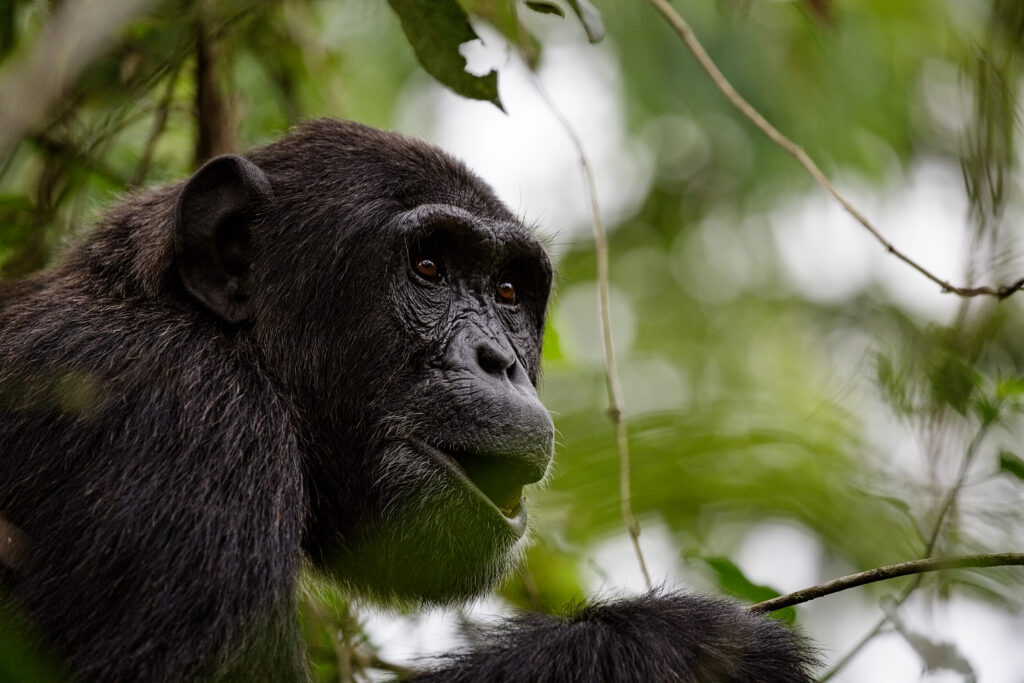
What to Expect on a Gorilla Trek
Early Morning Start and Park Briefing
A gorilla trek begins early in the morning, usually with arrival at the park headquarters by around 7:00–8:00 am. Rangers conduct a mandatory briefing where you learn about gorilla behavior, safety rules, and trekking procedures. During this time, visitors are assigned to a specific gorilla family and grouped based on fitness levels where possible. You are introduced to your lead ranger and trackers who will guide you throughout the trek. This briefing sets expectations and ensures everyone understands how to behave in the forest. Once the briefing ends, groups depart for the trekking starting points.
The Trek Into the Forest
The trek itself involves hiking through dense rainforest terrain that can include steep slopes, muddy trails, thick vegetation, and uneven ground. Trekking time varies widely and can last anywhere from 30 minutes to several hours depending on where the gorillas are located that day. Gorillas move freely in search of food and safety, so their location changes daily. Guides and trackers communicate with teams already following the gorillas to reduce search time. You walk at a steady pace with regular stops to rest, hydrate, and listen to explanations about the forest ecosystem. Patience is important, as the journey is part of the experience.
Physical Effort and Terrain Conditions
Gorilla trekking requires moderate physical effort, but it is manageable for most travelers with reasonable fitness. Trails can be slippery, especially after rain, and some sections may involve climbing or descending steep hills. The forest is humid, and weather can change quickly, even during dry seasons. Rangers adjust the pace to suit the group, and there is no pressure to rush. Porters are available to help carry bags and provide support on difficult sections. Taking your time and following instructions makes the trek more comfortable and safe.
First Sight of the Gorillas
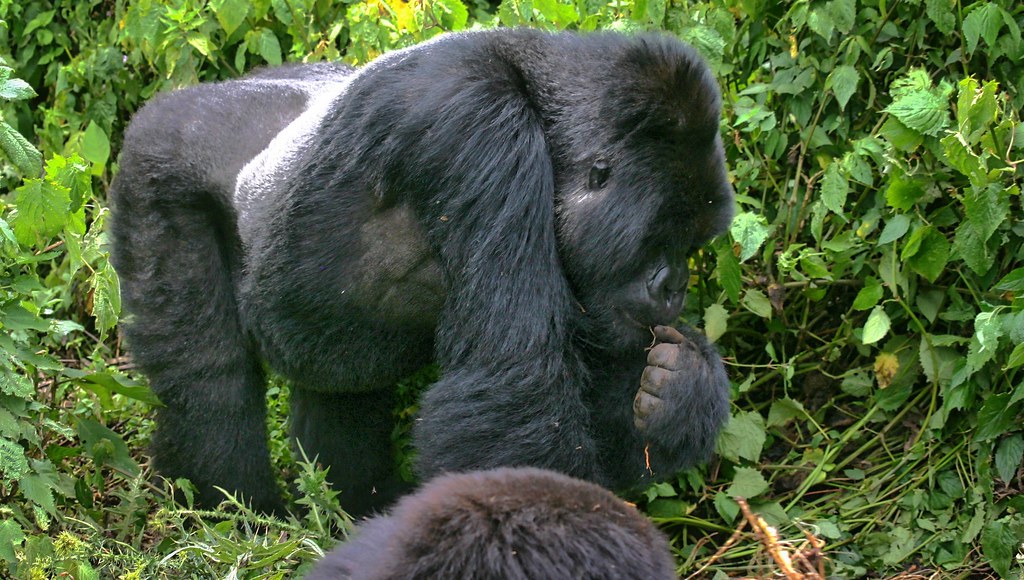
When the trackers locate the gorilla family, guides ask visitors to prepare before approaching. This moment is often emotional, as seeing mountain gorillas in the wild is a powerful experience. You approach quietly and carefully, maintaining the required distance. The gorillas may be feeding, resting, grooming, or interacting with each other. Guides position the group so everyone can see clearly without surrounding the animals. The atmosphere is calm and respectful, allowing the gorillas to continue their natural behavior undisturbed.
Time Spent With the Gorillas
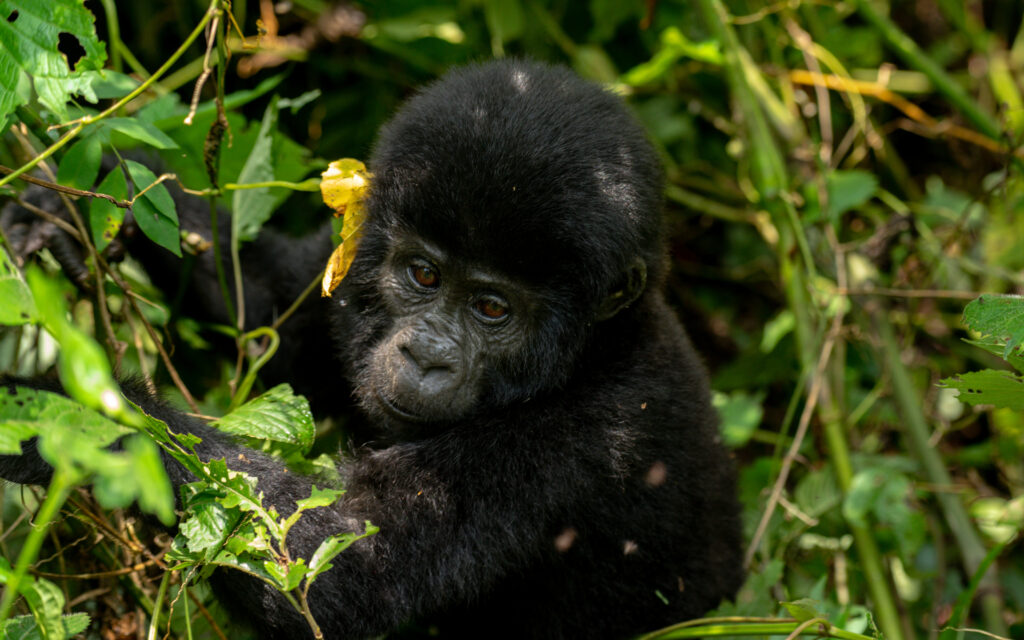
For standard gorilla trekking, visitors are allowed to spend one hour with the gorilla family. During this time, you observe their social interactions, watch infants play, and see how silverbacks lead and protect the group. Guides explain behaviors, family structure, and conservation facts as you observe. Time passes quickly because the experience is intense and absorbing. Rangers monitor gorilla behavior closely and may adjust positioning if needed. If gorillas show signs of stress, the visit may end early for their protection.
Rules and Behavior During the Encounter
While with the gorillas, visitors must remain quiet and avoid sudden movements. Eating, drinking, smoking, or touching the gorillas is strictly forbidden. Flash photography is not allowed, as it can disturb the animals. Visitors should avoid direct eye contact, which gorillas may perceive as a threat. If a gorilla moves closer or charges briefly, guides instruct visitors to remain calm and follow specific actions. These rules ensure safety and help keep the encounter peaceful.
Photography and Observation
Photography is allowed, but conditions can be challenging due to low light and dense vegetation. Many visitors use cameras with good low-light performance to capture clear images without flash. Guides help position visitors for safe and respectful viewing angles. You are encouraged to observe as much as you photograph, as the experience goes beyond images. Watching gorillas interact naturally often becomes more memorable than taking photos. Respecting photography rules protects both gorillas and visitors.
Leaving the Gorilla Family
After the allocated time ends, guides signal that it is time to leave the gorillas. Visitors slowly move away while keeping voices low and maintaining distance. The group continues quietly until they are well away from the gorilla family, allowing the animals to resume normal activity without disturbance. This controlled exit is just as important as the approach. Rangers ensure no items are left behind in the forest. The trek back usually follows a different route or the same trail depending on terrain.
The Return Walk and Completion
The return walk can take time depending on how deep into the forest the gorillas were found. Visitors often feel physically tired but emotionally uplifted by the experience. Guides continue sharing information about the forest, wildlife, and conservation efforts along the way. Once back at the park headquarters, you officially complete the trek. Many parks issue a trekking certificate as a souvenir. The rest of the day is usually reserved for rest and reflection.
Emotional and Conservation Impact
Most visitors describe gorilla trekking as one of the most moving wildlife experiences of their lives. Being close to endangered mountain gorillas creates a strong emotional connection and appreciation for conservation. The experience often changes how travelers view wildlife protection and responsible tourism. Knowing that your permit supports conservation and local communities adds meaning to the journey. Gorilla trekking is not just an activity but a conservation-driven encounter. For many, it becomes the defining moment of their African safari.