Safety Guidelines and Rules on a Gorilla Safari
Why Gorilla Safari Rules Are Strict
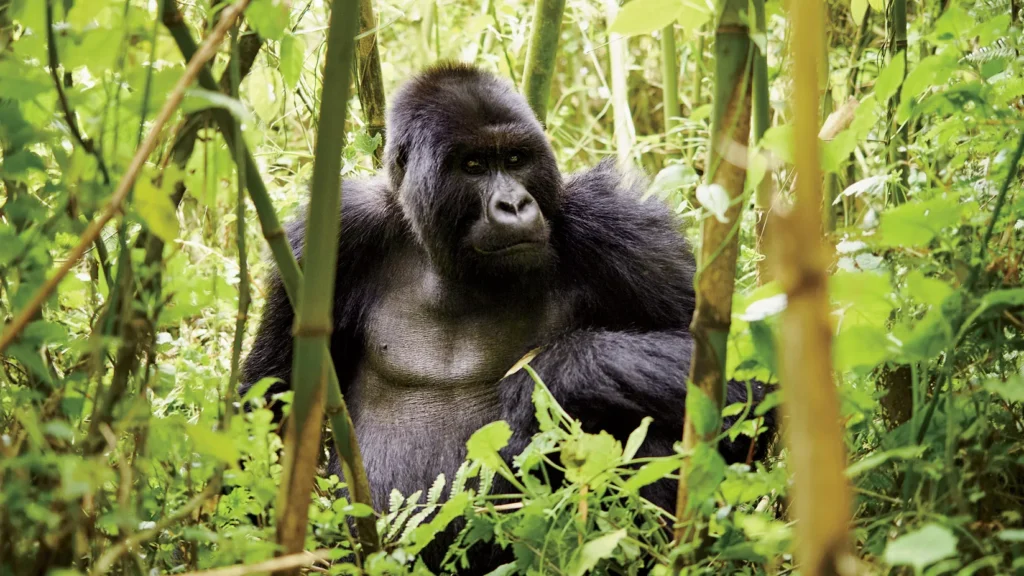
Gorilla safaris operate under some of the strictest wildlife tourism rules in the world because mountain gorillas are highly endangered and extremely sensitive to human presence. These rules exist to protect gorillas from stress, behavioral disruption, and human-borne diseases, while also ensuring visitor safety. Gorilla trekking takes place in dense rainforest where encounters are close and emotional, making discipline essential. Park authorities enforce these guidelines to balance conservation with tourism. Every visitor must follow instructions from rangers and guides without exception. Respect for rules is a core part of responsible gorilla tourism.
Authority in Charge of Gorilla Safari Rules
Gorilla safari rules are issued and enforced by wildlife authorities in each country. In Uganda, regulations are managed by Uganda Wildlife Authority, while in Rwanda they are enforced by the Rwanda Development Board. These authorities work closely with rangers, trackers, and conservation scientists to ensure gorilla welfare. Rules are updated based on research and conservation needs. Visitors are briefed by park officials before every trek. Once briefing begins, all rules become mandatory.
Rules Before Departing for a Gorilla Safari
Before entering the forest, visitors must attend a compulsory briefing at the park headquarters. During this briefing, guides explain safety procedures, group assignments, and expected behavior around gorillas. Visitors are required to wash or sanitize their hands to reduce the risk of disease transmission. Anyone feeling unwell, including flu-like symptoms, may be restricted from trekking to protect the gorillas. Group sizes are fixed and cannot be changed after briefing. Once instructions are given, visitors must follow the guide at all times.
Health Rules to Protect Mountain Gorillas
Mountain gorillas share much of their DNA with humans, which makes them vulnerable to common human illnesses. Visitors who are sick, coughing, sneezing, or carrying contagious diseases are not allowed to trek. If coughing or sneezing occurs during the encounter, visitors must turn away from the gorillas and cover their mouth and nose. Maintaining proper distance helps prevent airborne transmission of disease. Leaving food scraps, tissues, or rubbish in the forest is strictly forbidden. These health rules are essential for gorilla survival and long-term conservation.
Group Size and Visitor Limits
To reduce stress and limit exposure, each gorilla family is visited by a controlled number of people per day. For standard gorilla trekking, a maximum of eight visitors are allowed per gorilla family. For the Gorilla Habituation Experience, only four visitors are permitted per group. These limits are strictly enforced and cannot be exceeded. Smaller groups ensure quieter encounters and less disturbance. This is also why gorilla permits are limited and sell out quickly.
Distance Rules During Gorilla Encounters
Visitors must keep a minimum distance of about seven meters (21 feet) from the gorillas at all times. This distance helps gorillas feel secure and reduces the risk of disease transmission. In some cases, gorillas may move closer on their own, but visitors must remain still and follow guide instructions. Touching gorillas is strictly prohibited, even if they come close. Maintaining distance is one of the most important safety rules on a gorilla safari. Rangers closely monitor visitor positioning throughout the encounter.
Behavior Rules While With the Gorillas
When in the presence of gorillas, visitors must remain calm and quiet at all times. Loud voices, sudden movements, and pointing are not allowed because they can alarm the gorillas. Eating, drinking, or smoking near gorillas is forbidden due to the risk of contamination. Visitors should avoid direct eye contact, which gorillas may interpret as a challenge. If a gorilla charges, visitors must follow the guide’s instructions, usually involving crouching and remaining still. Running away is dangerous and strictly prohibited.
Photography and Camera Rules
Photography is allowed during gorilla safaris, but flash photography is strictly banned. Flash can frighten gorillas and cause stress or aggression. Visitors should move slowly when taking photos and avoid blocking gorilla movement paths. Cameras should be set in advance to avoid sudden adjustments. Rangers may restrict photography if gorilla behavior changes. Respecting photography rules helps maintain a calm environment during the encounter.
Time Limits With Gorilla Families
Standard gorilla trekking allows visitors to spend a maximum of one hour with a gorilla family. This time limit reduces stress and prevents overexposure to humans. For gorilla habituation experiences, visitors are allowed up to four hours under strict supervision. Rangers may end the visit early if gorillas show signs of stress or agitation. Visitors must comply immediately if instructed to move away. Time limits are essential for protecting gorilla health and behavior.
Safety on the Trekking Trails
Gorilla trekking takes place in rugged rainforest terrain with steep slopes, muddy trails, and thick vegetation. Visitors must wear appropriate footwear and follow the guide’s walking pace. Straying from the group or attempting shortcuts is not allowed. Rangers carry equipment and are trained to handle emergencies if they occur. Porters are available to assist visitors who need help on steep or slippery sections. Trail safety depends on discipline and cooperation.
Rules After Leaving the Gorillas
After the gorilla encounter, visitors must continue to keep voices low until they are at least 200 meters away from the gorilla family. This reduces stress on the animals as they resume normal activity. Visitors must not return toward the gorillas after leaving the group. Any waste generated during the trek must be carried out of the park. Guides ensure all visitors exit the forest safely. The safari officially ends only when the group returns to the park briefing point.
Consequences of Breaking Gorilla Safari Rules
Breaking gorilla safari rules can result in immediate removal from the trek without refund. Serious violations may lead to fines or future bans from trekking activities. These penalties exist to protect gorillas, not to inconvenience visitors. Rangers have full authority to enforce rules on the ground. Compliance ensures the safety of both humans and gorillas. Respect for rules reflects respect for conservation.