Gorilla Permits and Costs in Uganda and Rwanda
What a Gorilla Permit Is and Why You Need It
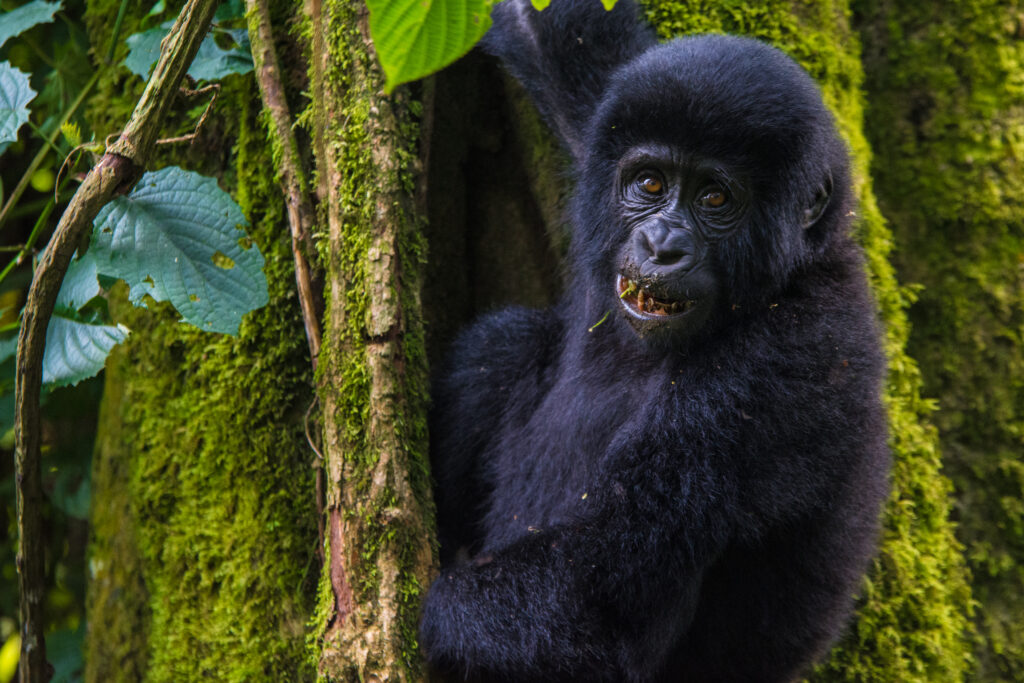
A gorilla permit is an official document that allows you to join a guided gorilla trekking activity on a specific date in a specific national park. You cannot trek gorillas legally without a permit because the number of visitors is strictly controlled to protect mountain gorillas from stress and disease. The permit system also helps park authorities manage tourism pressure, enforce trekking rules, and support ranger patrols. When you buy a permit, you are not only paying for the trek but also contributing to conservation, community projects, and park operations. Permits are limited every day, so availability changes quickly during busy months. This is why early planning matters, especially if you have fixed travel dates.
Gorilla Permit Costs in Uganda
Uganda offers gorilla trekking mainly in Bwindi Impenetrable National Park and Mgahinga Gorilla National Park. The standard gorilla trekking permit in Uganda is commonly priced at USD 800 per person per trek for foreign non-residents in recent official pricing structures, while other resident categories may have different rates. The permit allows you to spend one hour with the gorillas once you find them. Uganda also offers the Gorilla Habituation Experience in Bwindi, which is designed for visitors who want extended time with a gorilla group under habituation. The habituation permit is commonly priced at USD 1,500 per person and allows you to spend up to four hours with the gorillas under ranger guidance. Because policy updates can happen, you should always confirm the latest official rates before paying.
Gorilla Permit Costs in Rwanda
Rwanda’s gorilla trekking takes place in Volcanoes National Park, and the permit is widely known for being priced at USD 1,500 per person per trek for most international visitors. The permit includes the ranger-guided trek and allows one hour with the gorillas once you locate the group. Rwanda uses the higher permit price as part of a high-value, low-volume tourism strategy designed to limit crowds while funding conservation and community development. Travelers often choose Rwanda for its shorter drive time from Kigali to Volcanoes National Park and its smoother travel flow. Even though the permit is more expensive than Uganda, many travelers feel the convenience and overall logistics justify the cost. As with all permits, it is best to confirm official prices at the time of booking.
What Your Gorilla Permit Fee Covers
A gorilla permit is not just a ticket; it supports a full conservation system that makes trekking possible. The fee contributes to ranger salaries, daily tracking teams, anti-poaching patrols, veterinary monitoring, and park infrastructure. It also supports community benefit programs that help reduce human-wildlife conflict and encourage local support for conservation. The permit covers your guided trek, the pre-trek briefing, and the controlled gorilla viewing time. It also supports strict visitor management rules, such as limiting group size and enforcing distance regulations. This is why permits cost more than many other safari activities in East Africa.
Daily Permit Limits and Why Permits Sell Out
Gorilla trekking is limited by strict daily visitor caps, and each gorilla family receives only a small number of visitors per day. In Uganda and Rwanda, standard trekking groups are typically limited to a set number of visitors per gorilla family to reduce disturbance. When high season arrives, demand increases sharply because travelers prefer drier months, easier hiking conditions, and holiday travel periods. Once permits are sold for a specific date, you cannot just “show up” and expect availability. Permits often sell out weeks or months ahead, especially for popular months like June to September and December to February. Booking early is the simplest way to avoid disappointment.
Best Time to Book Gorilla Permits
For peak season travel, it is smart to book permits several months in advance because availability drops fast. Travelers planning holiday travel, family trips, or fixed itineraries should book as early as possible to secure their preferred dates and sectors. Even in low season, permits can still sell out on certain dates due to group travel and limited supply. Booking early also gives you better choice of accommodation near the trekking sector, which improves comfort on trekking day. Last-minute booking may force you to change travel dates, choose a less convenient sector, or split your group across different days. Early booking keeps your itinerary smooth and predictable.
How Gorilla Permit Booking Works in Uganda
In Uganda, your permit is tied to the park and trekking date, and it is issued in your name using passport details. Many travelers book through a licensed tour operator who checks availability, reserves the permit, and arranges payment and documentation. Once the permit is secured, you then match your accommodation to the correct trekking sector, especially in Bwindi where sectors are far apart. On trekking day, you present your permit at the park briefing point, where guides allocate groups and explain rules. After briefing, you begin the trek with rangers and trackers. Because the permit is date-specific, changing dates later can be difficult depending on availability and park policies.
How Gorilla Permit Booking Works in Rwanda
In Rwanda, permits are issued for Volcanoes National Park and are also linked to a specific date and visitor identity. Travelers often book permits through an operator or directly through Rwanda’s official tourism authority depending on their planning style. Once confirmed, you receive documentation showing your permit details, and you join the trek briefing at the park headquarters on trekking morning. Rwanda’s system is streamlined, and many travelers prefer it for shorter travel distances and easier access from Kigali. Because demand is high, last-minute bookings are risky during peak seasons. Booking early also allows you to plan accommodation in Musanze or nearby areas with less stress.
Uganda vs Rwanda: Which Permit Offers Better Value
Value depends on your travel style rather than permit price alone. Uganda usually offers a lower permit cost and more trekking sectors, giving travelers more options for itinerary design. Rwanda offers faster access, a high-end tourism style, and shorter transfer times from the main airport city. Trek difficulty can vary in both countries depending on where the gorilla family is on the day of trekking. The gorilla encounter quality is excellent in both destinations because rules and tracking systems are strong. Many travelers choose Uganda for affordability and variety, and choose Rwanda for convenience and a smoother travel circuit.
Important Notes About Permit Rules and Refunds
Permit terms are strict because trekking is limited and conservation-focused. If you arrive late, miss briefing, or do not meet park rules, you may lose the trek opportunity depending on park policy. Visitors who are sick may be restricted from trekking to protect gorillas from human disease, which is why health honesty matters. Refunds and changes depend on the official authority rules and the terms under which the permit was purchased. Because policies can change, it is safer to understand conditions before you pay. Travel insurance is also helpful, especially for travelers with tight schedules or long international flights.