Frequently Asked Questions (FAQs) About Gorilla Trekking and Tracking
What Is Gorilla Trekking or Gorilla Tracking?
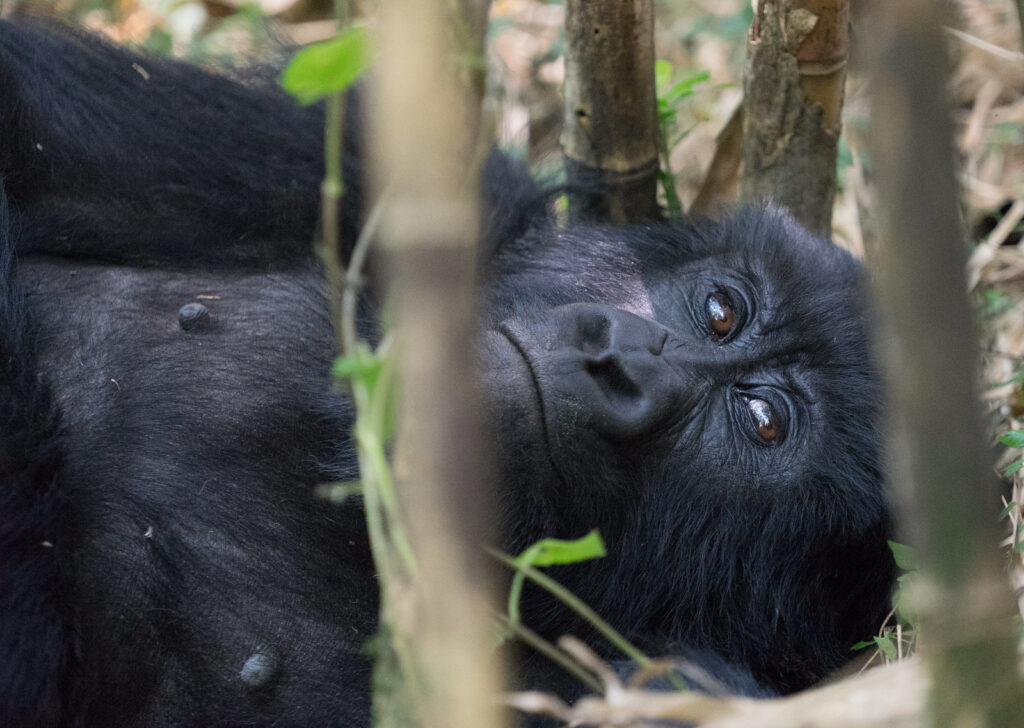
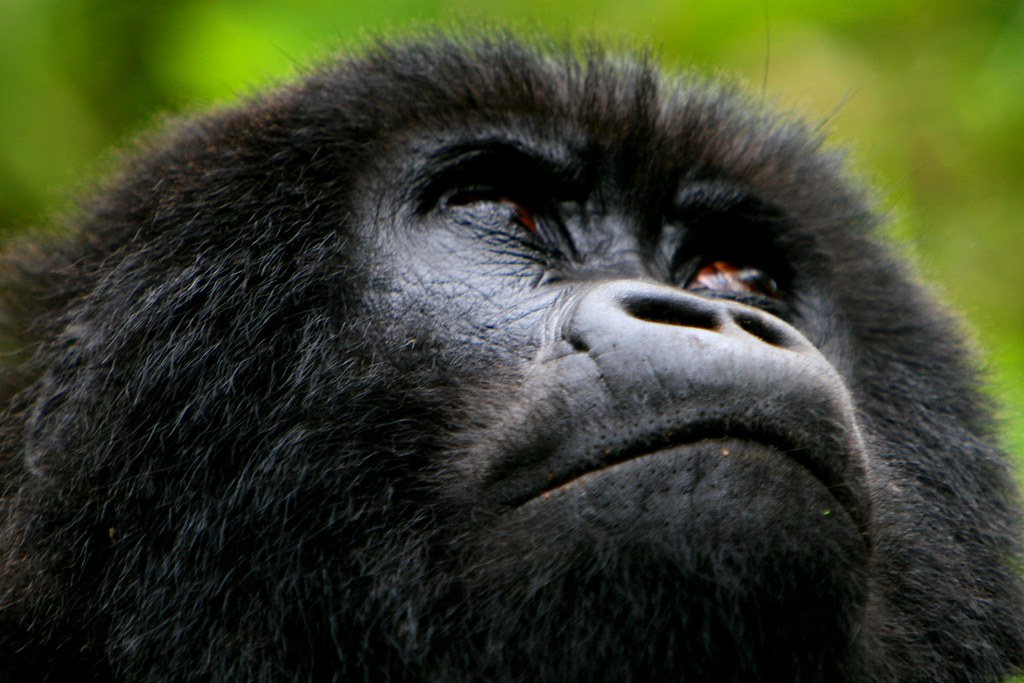
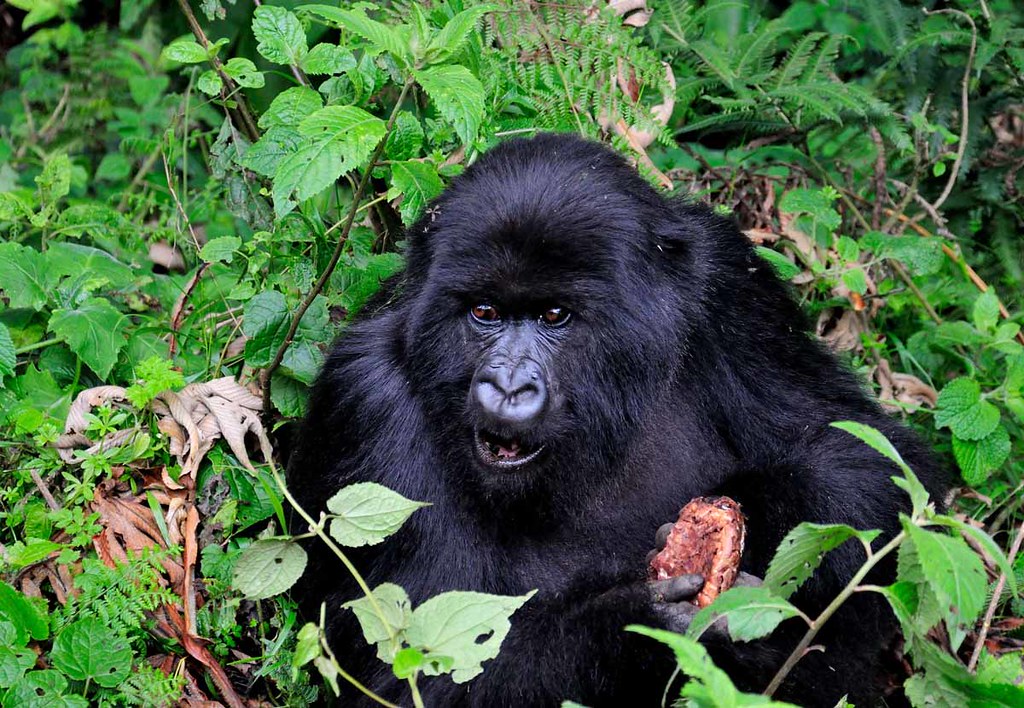
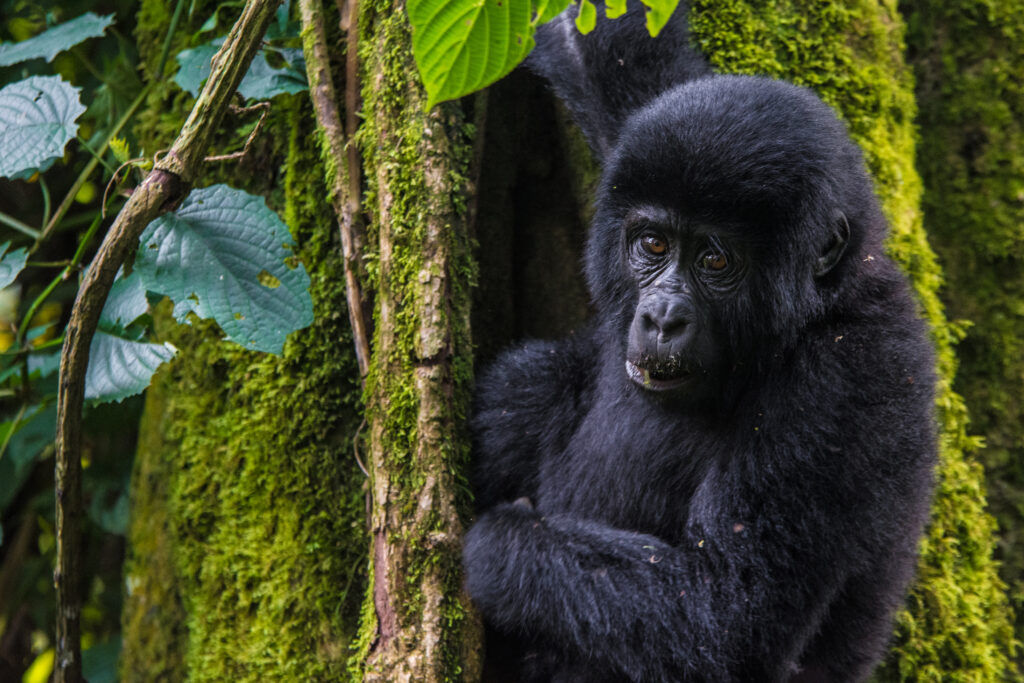
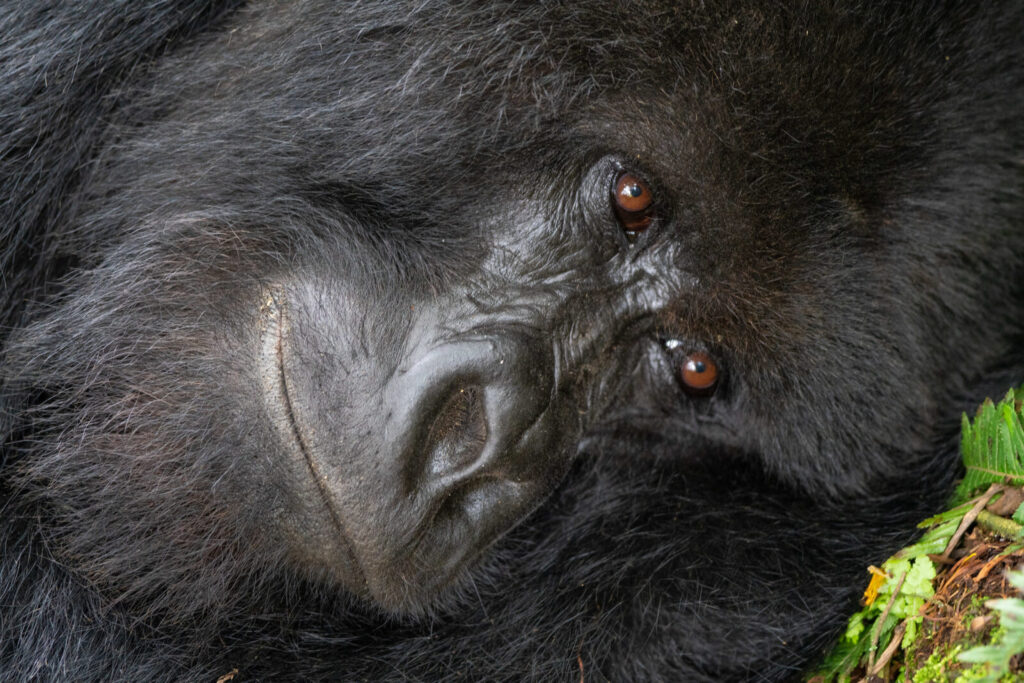
Gorilla trekking, also known as gorilla tracking, is a guided wildlife experience where visitors hike through rainforest to find a habituated mountain gorilla family. Once the gorillas are located, visitors spend a limited, controlled time observing them in their natural habitat. The activity is strictly regulated to protect gorillas from stress and disease. Gorilla trekking is conducted only in designated national parks and always with trained rangers and trackers. It is considered one of the most emotional and meaningful wildlife encounters in the world. The terms “trekking” and “tracking” are used interchangeably.
Where Can I Go Gorilla Trekking?
Gorilla trekking is available in Uganda and Rwanda. In Uganda, trekking is done in Bwindi Impenetrable National Park and Mgahinga Gorilla National Park. In Rwanda, gorilla trekking takes place in Volcanoes National Park. All these parks protect mountain gorillas and follow strict conservation guidelines. The gorilla species encountered is the same in both countries. The choice of destination depends on budget, travel time, and itinerary style.
How Much Does a Gorilla Trekking Permit Cost?
Permit prices vary by country and residency status. In Uganda, the standard gorilla trekking permit is widely known at USD 800 for foreign non-residents, allowing one hour with the gorillas. In Rwanda, the permit is USD 1,500 per person for one trek. These fees contribute directly to conservation, park management, and community development. Permit prices are set by government authorities and can change, so confirmation at the time of booking is important. The permit is mandatory and non-transferable.
What Is the Difference Between Gorilla Trekking and Gorilla Habituation?
Gorilla trekking allows one hour with a fully habituated gorilla family and usually involves up to eight visitors per group. Gorilla habituation allows up to four hours with a semi-habituated family and is limited to four visitors per group. Habituation offers deeper observation and learning but is more physically demanding and more expensive. The habituation experience is only available in Bwindi. Trekking is suitable for most travelers, while habituation suits those seeking a more intensive conservation experience. Both activities follow strict rules.
How Long Does a Gorilla Trek Take?
The total trekking time can range from 30 minutes to several hours, depending on where the gorilla family is located on the day of the trek. Gorillas move freely, and their location changes daily based on food and safety. Some treks are short and gentle, while others involve steep climbs and long hikes. Visitors should be prepared for a full morning or afternoon in the forest. Once gorillas are found, the viewing time is strictly limited. The return walk can also take time depending on terrain.
Is Gorilla Trekking Difficult or Physically Demanding?
Gorilla trekking requires a moderate level of fitness, but it is not extreme mountaineering. Treks can involve muddy trails, steep slopes, and dense vegetation. Rangers adjust pace and offer breaks along the way. Porters are available to help carry bags and provide support, especially on steep sections. Most travelers complete the trek successfully with the right mindset and preparation. Fitness matters more than age.
What Is the Minimum Age for Gorilla Trekking?
The minimum age for gorilla trekking in both Uganda and Rwanda is 15 years. This rule helps protect gorillas from disease and ensures participants can follow safety instructions. Age limits are strictly enforced by park authorities. Children below the minimum age are not allowed to trek under any circumstances. Families traveling with younger children should plan alternative activities. This policy applies across all gorilla parks.
How Close Do You Get to the Gorillas?
Visitors must keep a minimum distance of about 7 meters (21 feet) from the gorillas at all times. This distance helps prevent disease transmission and keeps gorillas calm. In some situations, gorillas may move closer on their own, but visitors must remain still and follow guide instructions. Touching gorillas is strictly prohibited. Rangers monitor behavior closely during the encounter. These rules protect both visitors and wildlife.
How Many People Trek a Gorilla Family Each Day?
For standard gorilla trekking, a maximum of eight visitors are allowed to visit one gorilla family per day. For gorilla habituation, the limit is four visitors per family per day. These limits reduce stress on the gorillas and minimize environmental impact. Group sizes are strictly controlled and enforced. This system ensures a quiet and respectful experience. It also means permits are limited and sell out quickly.
What Should I Wear for Gorilla Trekking?
Visitors should wear sturdy hiking boots, long trousers, and long-sleeved shirts to protect against mud, insects, and vegetation. Rain gear is essential because weather in the forest is unpredictable. Neutral-colored clothing is recommended to blend into the environment. Gloves are useful for gripping branches on steep trails. Comfortable, practical clothing matters more than style. Proper footwear greatly improves comfort and safety.
Is Gorilla Trekking Safe?
Gorilla trekking is considered safe when done under park regulations and with trained guides. Rangers are experienced in gorilla behavior and visitor safety. Encounters are calm, controlled, and closely monitored. Visitors must follow all instructions to ensure safety. Serious incidents are extremely rare. The strict rules exist to protect both people and gorillas.
What Happens If It Rains on Trekking Day?
Gorilla trekking continues even if it rains, as rain is common in rainforest environments. Treks are rarely cancelled due to weather. Visitors should be prepared for wet conditions with proper rain gear. Rain can make trails muddy and slippery, increasing physical challenge. Gorillas remain active in rain, so sightings are still reliable. Weather preparedness is key to enjoyment.
Can I Take Photos of the Gorillas?
Photography is allowed during gorilla trekking, but flash photography is strictly prohibited. Flash can disturb and stress the gorillas. Visitors should move slowly and quietly when taking photos. A camera with good low-light performance is helpful because forest light can be limited. Guides will advise when and how to take photos safely. Respecting rules ensures a calm encounter.
What If I Feel Sick on Trekking Day?
If you feel sick or have symptoms of a contagious illness, you may be prevented from trekking to protect gorillas. Mountain gorillas are highly susceptible to human diseases. Visitors are encouraged to be honest about their health. Depending on policy and availability, alternative arrangements may be considered. This rule is strictly enforced in the interest of conservation. Health honesty protects gorillas and future trekking.
When Is the Best Time to Go Gorilla Trekking?
Gorilla trekking is possible all year, but the dry seasons are generally more comfortable. Popular months are June to September and December to February due to easier hiking conditions. Wet seasons bring fewer visitors and sometimes shorter treks, but trails are muddier. Gorilla sightings remain consistent throughout the year. Permit availability often matters more than weather. The best time is when permits and travel plans align.
Do Gorilla Permits Sell Out?
Yes, gorilla permits frequently sell out, especially during peak seasons and holidays. Daily visitor limits make permits scarce. It is common for permits to sell out months in advance for popular travel periods. Booking early is strongly recommended. Without a permit, trekking is not possible. Securing the permit should always be the first planning step.
Is Gorilla Trekking Worth the Cost?
Most travelers describe gorilla trekking as a once-in-a-lifetime experience. The permit cost supports conservation, community livelihoods, and protection of an endangered species. The emotional impact of seeing gorillas in the wild is difficult to compare to other activities. While expensive, the value extends beyond tourism into conservation impact. For many, it becomes the highlight of their African journey. The experience often exceeds expectations.