Conservation Impact of Gorilla Trekking
Why Gorilla Trekking Matters for Conservation
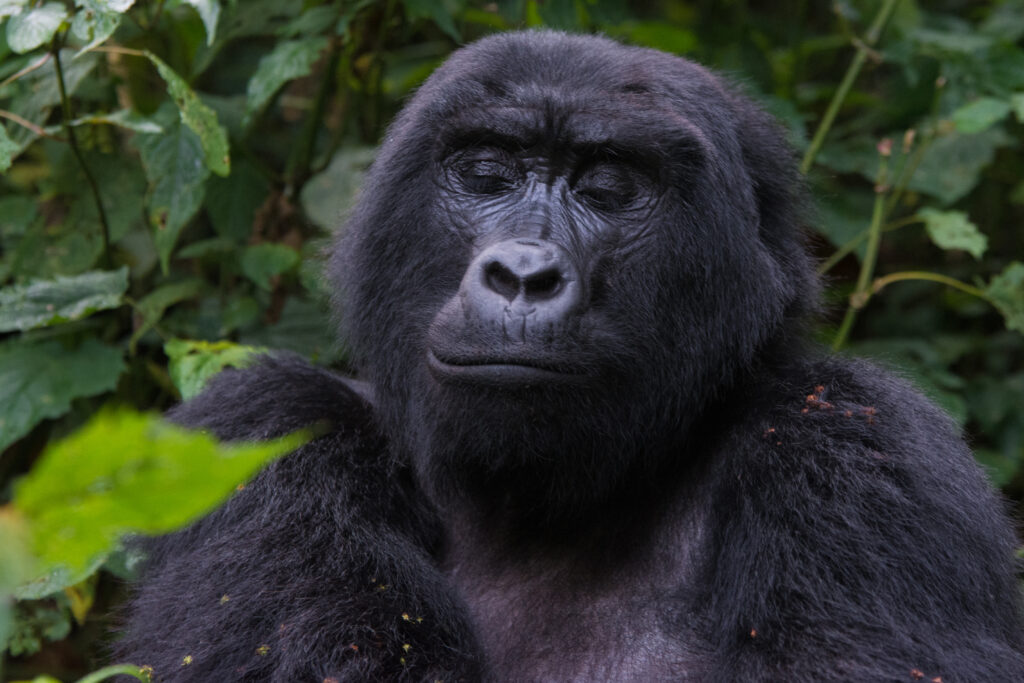
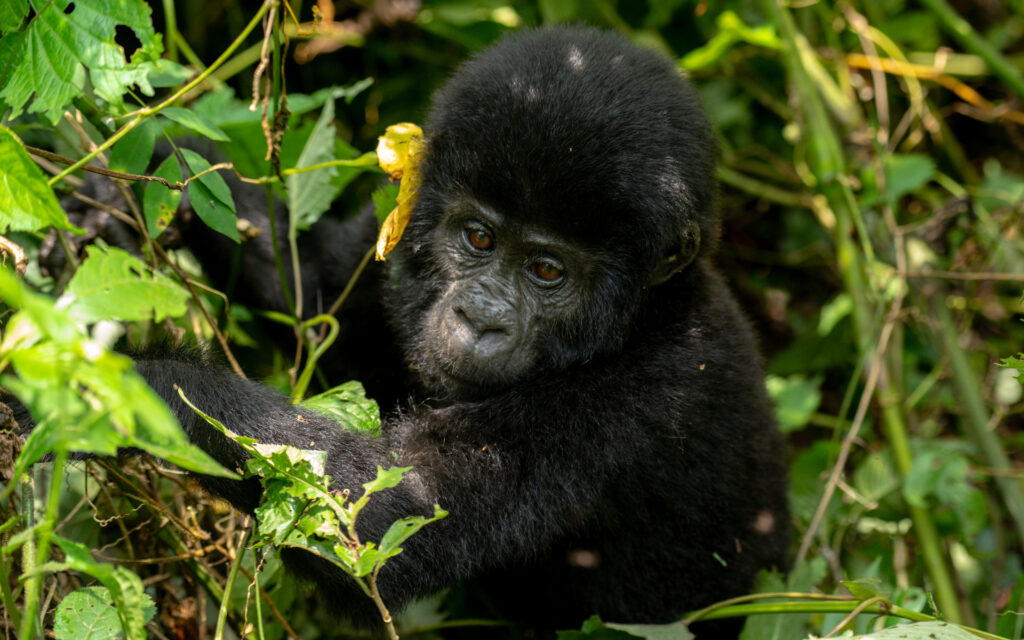
Gorilla trekking is more than a wildlife experience; it is one of the strongest conservation tools protecting endangered mountain gorillas. By placing controlled value on living gorillas, trekking creates a direct financial reason to protect them and their forest habitats. Governments, conservation agencies, and local communities all benefit when gorillas are worth more alive than threatened. Strict trekking rules ensure that tourism does not harm gorilla behavior or health. This balance between access and protection has helped reverse decades of population decline. Today, gorilla trekking stands as a global conservation success story.
How Gorilla Trekking Protects Mountain Gorillas
Mountain gorillas live in a small number of protected forests, mainly in Uganda and Rwanda. Gorilla trekking funds daily monitoring by rangers and trackers who follow gorilla families to protect them from poaching, snares, and illegal activity. These teams detect health issues early and alert veterinarians when intervention is needed. The constant presence of trained personnel discourages illegal forest use. Without tourism funding, maintaining this level of protection would be extremely difficult. Trekking revenue has therefore become a frontline defense for gorilla survival.
Role of Park Authorities and Conservation Agencies
Conservation management is coordinated by national wildlife authorities such as the Uganda Wildlife Authority and the Rwanda Development Board. These institutions use trekking revenue to fund ranger salaries, patrol equipment, research programs, and habitat management. They also enforce strict rules that limit visitor numbers and protect gorilla health. Conservation decisions are guided by scientific research and long-term monitoring data. Tourism income gives these agencies the financial stability needed to plan beyond short-term funding cycles. This structured approach keeps conservation effective and accountable.
Community Benefits and Local Support
One of the strongest conservation impacts of gorilla trekking is its benefit to local communities living near gorilla parks. A portion of trekking revenue is shared with surrounding communities to support schools, health centers, clean water projects, and infrastructure. Local people are employed as rangers, porters, guides, lodge staff, and suppliers. When communities benefit directly from gorilla tourism, they become active protectors of wildlife rather than competitors for forest resources. This reduces poaching, illegal farming, and habitat destruction. Community involvement is essential to long-term conservation success.
Reducing Poaching and Illegal Activities
Before gorilla tourism became established, poaching and forest encroachment were serious threats. Gorilla trekking has helped reduce these pressures by increasing surveillance and creating alternative livelihoods. Rangers patrol trekking areas daily and remove snares that can injure or kill gorillas. Tourism income supports law enforcement and intelligence gathering within parks. Local communities now report illegal activities because they understand the economic value of conservation. This shift has significantly lowered poaching levels in gorilla habitats. Trekking has transformed gorillas from vulnerable targets into protected national treasures.
Veterinary Care and Gorilla Health Monitoring
Gorilla trekking funds specialized veterinary teams that monitor the health of gorilla populations. These teams treat injuries caused by snares, fights, or illness when intervention is necessary. Health monitoring also helps detect disease outbreaks early, protecting entire gorilla groups. Strict trekking rules, such as distance limits and visitor health checks, reduce the risk of human-borne disease transmission. Veterinary care has saved many gorillas that would not have survived without intervention. This medical support is a direct result of tourism revenue.
Habitat Protection and Forest Conservation
Protecting gorillas also means protecting their forest habitat. Trekking revenue supports forest management, boundary patrols, and reforestation projects around gorilla parks. By keeping forests intact, conservation efforts protect not only gorillas but also birds, primates, plants, and water sources. Healthy forests support climate regulation and biodiversity beyond gorilla populations. Tourism income makes it possible to maintain large protected areas without relying entirely on external donors. Gorilla trekking therefore contributes to wider environmental conservation goals.
Controlled Tourism and Sustainability
Gorilla trekking is carefully controlled to prevent negative impacts. Visitor numbers are limited, group sizes are small, and time spent with gorillas is strictly regulated. These controls reduce stress on gorillas and allow them to maintain natural behavior. Permits are expensive by design, supporting a low-volume, high-value tourism model. This approach generates sufficient revenue without overcrowding gorilla habitats. Sustainable tourism ensures that conservation benefits continue long into the future.
Measuring Conservation Success
The success of gorilla trekking as a conservation tool is visible in population trends. Mountain gorilla numbers have increased steadily over recent decades, making them one of the few great apes whose population is growing. This recovery is directly linked to protected habitats, strict management, and tourism-funded conservation. Continued monitoring ensures that growth remains stable and healthy. Gorilla trekking is now used as a global model for conservation-based tourism. It proves that responsible travel can protect endangered species.
Challenges and Ongoing Responsibility
Despite its success, gorilla conservation still faces challenges such as disease risk, habitat pressure, and climate change. Gorilla trekking must continue to evolve with strong regulations and scientific guidance. Visitors also carry responsibility by following rules and supporting ethical operators. Conservation is not a one-time achievement but an ongoing process. Tourism must remain respectful, controlled, and community-focused. Continued commitment ensures that gorilla trekking remains a force for good.