Best Time to Go Gorilla Trekking in Uganda and Rwanda
Understanding Gorilla Trekking Seasons
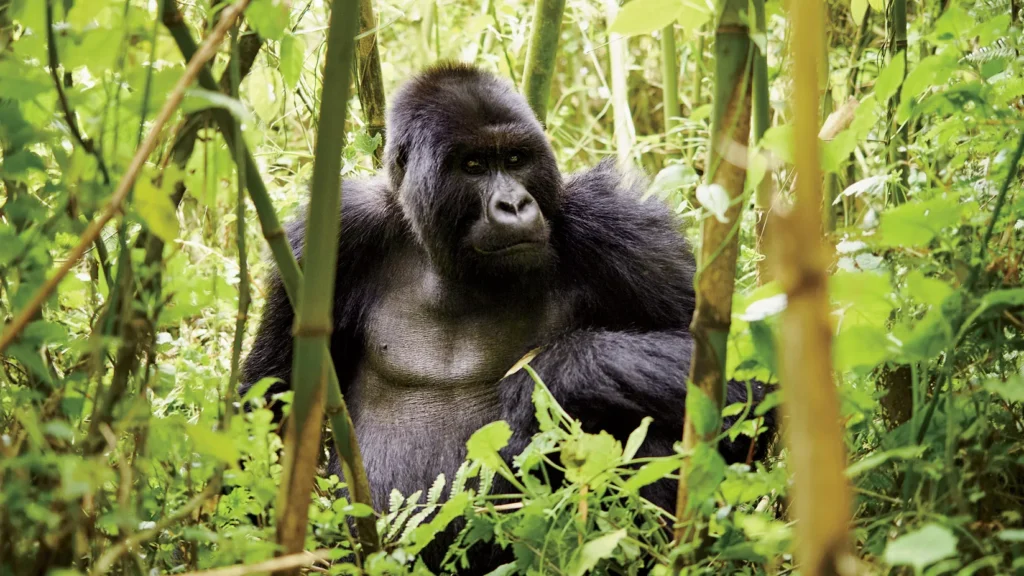
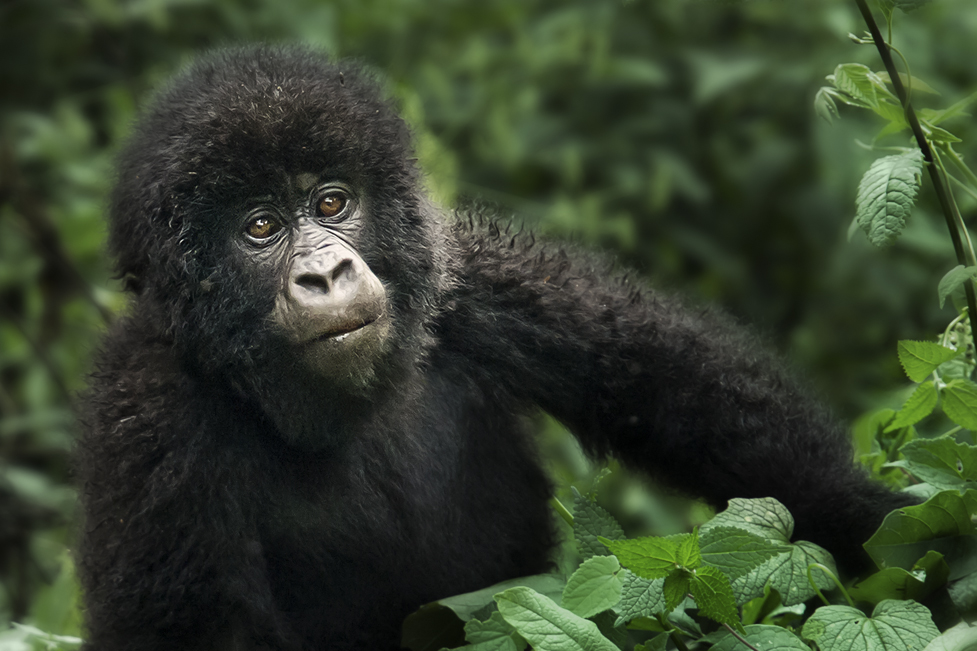
Gorilla trekking is available throughout the year in both Uganda and Rwanda, but weather and travel seasons affect comfort, trail conditions, and overall experience. Mountain gorillas live in tropical rainforest environments, which means rain is always possible regardless of the month. What changes during the year is how easy it is to hike, how dense the vegetation becomes, and how busy the parks feel. Gorilla sightings remain highly reliable in all seasons because gorilla families are tracked daily by rangers. Choosing the best time depends more on trekking conditions and travel preferences than on wildlife availability. Understanding seasonal differences helps travelers plan realistically.
Best Dry Season Months for Gorilla Trekking
The most popular time for gorilla trekking is during the dry seasons, which generally run from June to September and December to February. During these months, rainfall is lower, forest trails are less muddy, and hiking conditions are more comfortable. Vegetation is thinner, making it easier to see gorillas clearly and take photographs. These months are especially recommended for first-time trekkers who want easier terrain and predictable weather. Because conditions are favorable, demand for permits is high during this period. Travelers should book permits and accommodation well in advance to secure preferred dates.
Gorilla Trekking During the Wet Season
The wetter months usually fall between March to May and October to November. During this time, rain is more frequent and trails can become slippery and challenging. Vegetation grows thicker, which can sometimes reduce visibility when observing gorillas. However, gorillas tend to move shorter distances because food is abundant, which can result in shorter trekking times. Fewer tourists visit during these months, creating a quieter and more exclusive experience. Lodge prices may also be lower, making the wet season attractive for budget-conscious travelers.
Best Time for Gorilla Trekking in Uganda
In Uganda, gorilla trekking takes place mainly in Bwindi Impenetrable National Park and Mgahinga Gorilla National Park. The best trekking conditions are usually from June to September and December to February, when trails are drier and easier to navigate. Bwindi’s rainforest climate means rain can still fall even in dry months, so preparation is always necessary. Uganda’s gorilla trekking is popular because of lower permit costs and multiple trekking sectors. Because permits are limited, booking early is important during peak months. Uganda remains a strong year-round destination despite seasonal changes.
Best Time for Gorilla Trekking in Rwanda
Rwanda’s gorilla trekking is done in Volcanoes National Park, which has a slightly cooler and more open landscape compared to Bwindi. The best months for trekking in Rwanda are also June to September and December to February. These months offer better hiking conditions and clearer views of the gorillas. Rwanda’s efficient road network and shorter travel distances make trekking easier even during wetter periods. Because Rwanda’s permits are premium priced and demand is high, peak season dates sell out quickly. Early planning is essential for travelers with fixed schedules.
Gorilla Trekking by Month: What to Expect
January and February are dry and popular, offering good trekking conditions and clear visibility. March to May brings heavier rain, greener forests, and fewer visitors, but trails can be muddy. June to September is the peak trekking period with the best balance of weather and trail conditions. October and November bring another wet period with fewer crowds and occasional discounts on accommodation. December is busy due to holidays and improved weather conditions. Gorilla trekking remains possible in every month, but comfort levels vary.
Permit Availability and Seasonal Demand
Gorilla permits are limited each day to protect the gorillas from stress and disease. During dry seasons and holiday months, permits often sell out several months in advance. Wet seasons usually have better availability, even on shorter notice. Travelers planning to trek during peak months should secure permits first before booking flights or accommodation. Permit availability often determines travel dates more than weather considerations. Understanding this helps avoid last-minute disappointment.
Photography and Visibility Considerations
Dry seasons offer better photography conditions because light levels are higher and vegetation is less dense. Gorillas are easier to spot and frame clearly in photographs. During wet seasons, forests are greener and more dramatic, but visibility can be reduced by thick foliage. Rain can also affect camera handling and comfort. Photographers should plan gear and timing carefully depending on the season. Flash photography is not allowed at any time.
Health, Comfort, and Trekking Conditions
Drier months are generally more comfortable for trekking because trails are firmer and humidity is lower. Wet months increase the risk of slipping and require stronger hiking boots and rain gear. Regardless of season, trekkers should expect uneven terrain, steep slopes, and changing weather. Porters are available year-round and are highly recommended for added support. Physical preparation matters more than season choice for most trekkers. Being mentally prepared improves the experience in all conditions.
Is There a Bad Time to Go Gorilla Trekking?
There is no bad time to go gorilla trekking in Uganda or Rwanda. Gorilla sightings are consistent throughout the year because families are monitored daily. Even in heavy rain, treks are rarely cancelled. The main difference between seasons is trail difficulty and crowd levels, not wildlife presence. Travelers who plan well and pack correctly can enjoy gorilla trekking in any month. The best time is ultimately the time that fits your schedule and expectations.