Gorilla Trekking Information – Mountain Gorillas in Uganda and Rwanda
Gorilla Trekking in Uganda: Where the Mountain Gorillas Live
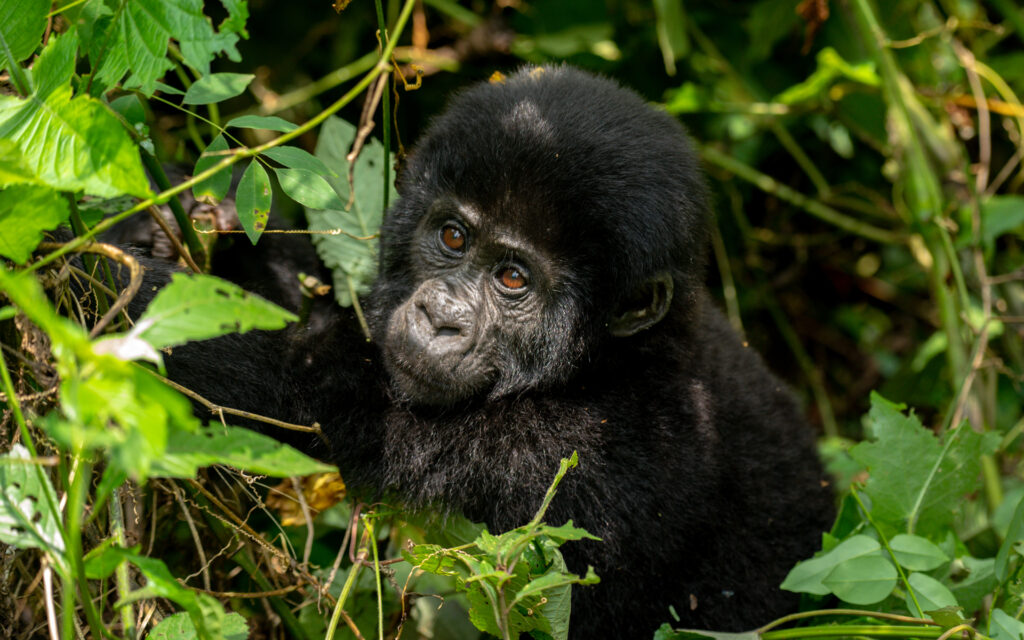
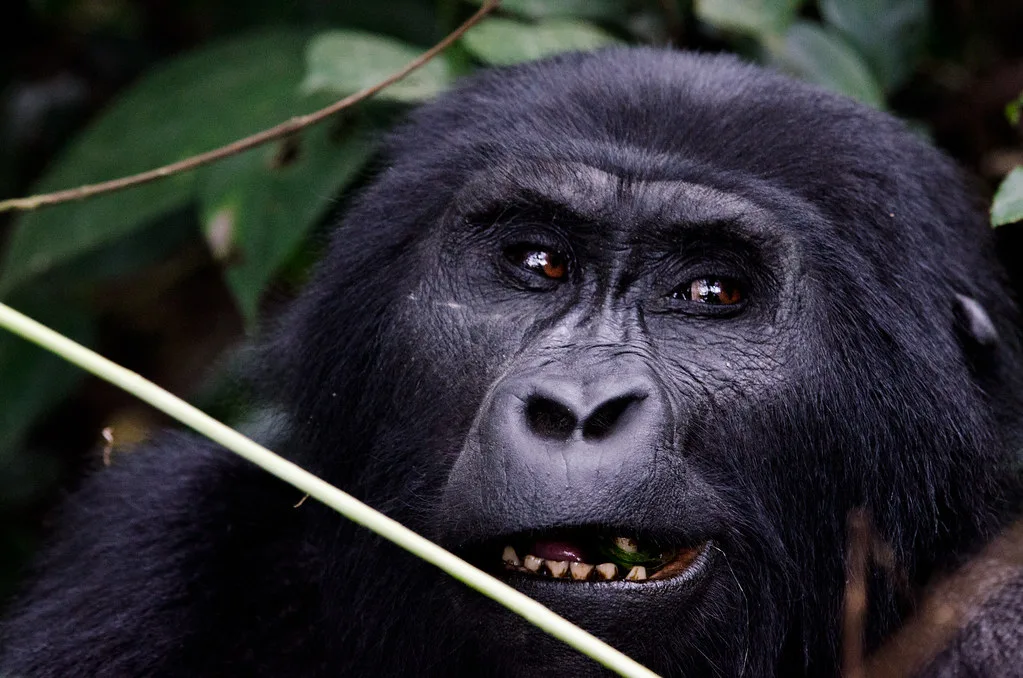
Most of Uganda’s mountain gorillas live in Southwestern Uganda, mainly inside Bwindi Impenetrable Forest National Park. Bwindi protects a very large share of the world’s remaining mountain gorillas, which is why it ranks among the top wildlife destinations on the continent. The park’s thick rainforest, steep valleys, and high ridges create perfect gorilla habitat and also explain why trekking can feel challenging for some visitors. Bwindi is also famous for its rich biodiversity beyond gorillas, including many primates and forest wildlife species that share the same ecosystem. For anyone planning to visit Uganda for gorilla trekking, you must secure a valid gorilla permit before the trek date. Gorilla trekking operates under strict conservation rules that protect the gorillas and keep tourism sustainable.
Mgahinga Gorilla National Park: Uganda’s Virunga Gorilla Park
Uganda also offers gorilla trekking in Mgahinga Gorilla National Park, which lies in the Virunga ranges shared between Uganda, Rwanda, and the Democratic Republic of Congo. Mgahinga is smaller than Bwindi, but it is an important gorilla habitat and a strong option for travelers who want a different scenery and a more volcanic landscape. The Virunga environment feels more open in parts, with bamboo zones and dramatic volcanic backdrops. Treks in Mgahinga can be very rewarding, and the overall gorilla encounter remains powerful and well managed. Because it is part of a cross-border ecosystem, gorillas can move within the wider Virunga region, which makes conservation collaboration important. Mgahinga is also useful for travelers combining gorilla trekking with other activities in southwestern Uganda.
What Gorilla Trekking Really Feels Like
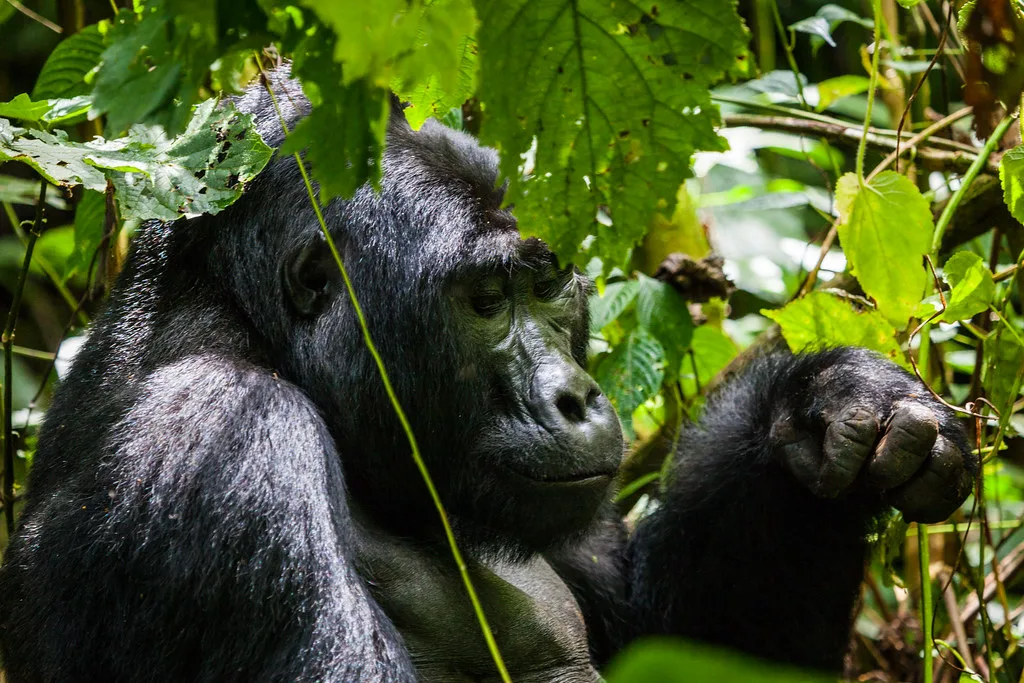
A gorilla trekking experience is a guided forest walk led by rangers and trackers who follow a habituated gorilla family. Trackers often locate gorillas early in the day, then guides lead visitors through forest trails to where the group is feeding or resting. Trekking time can be short or long, depending on where the gorillas moved that day, because these are wild animals that change location based on food, safety, and weather. The forest can be steep and muddy, and the vegetation can be thick, so a steady pace and the right gear matter. When you finally meet the gorillas, the moment feels quiet and intense, and visitors observe natural behavior such as feeding, grooming, resting, and family interaction. The encounter is controlled and respectful, and guides ensure rules are followed to protect both visitors and gorillas.
Gorilla Groups and Sectors in Bwindi Impenetrable National Park
Bwindi has multiple trekking sectors, and gorilla families are spread across them. Many trekkers know the main sectors as Buhoma (north), Ruhija (east), Rushaga (south), and Nkuringo (south). Uganda has many habituated gorilla groups available for standard trekking, and each sector has its own families and trekking routes. This sector system is important because it affects where you sleep, where you start the trek, and how much driving you do the day before trekking. Visitors often enjoy Bwindi more when they match accommodation to the trekking sector, because it reduces early-morning transfers and fatigue. Gorilla family movements vary daily, so a family that feels “easy” one day can become more demanding on another day. The strongest planning advantage you control is staying near your trekking starting point.
Gorilla Habituation Experience in Bwindi
Uganda also offers a special activity called the Gorilla Habituation Experience, available in Bwindi. This experience is designed for visitors who want deeper learning and longer time with gorillas while rangers continue the habituation process. The habituation experience allows a longer gorilla viewing time compared to standard trekking, and it is managed under stricter limits to reduce stress on the gorillas. Groups are smaller, and visitors follow ranger instructions closely because habituation requires calm behavior and patience. Many travelers choose habituation when they want a more detailed wildlife experience and they have enough time to handle a longer forest day. It is also ideal for photographers and travelers who want to observe more natural behavior over a longer period. Because habituation permits are limited, advance booking matters.
Bwindi Impenetrable National Park: History, Landscape, and Meaning
Bwindi began as a reserve that was gazetted in 1942 and later upgraded to Bwindi Impenetrable National Park in 1992. It was later recognized as a World Heritage Site in 1994, reflecting its global ecological value. In the local Rukiga language, “Bwindi” is commonly explained as meaning “impenetrable,” which matches the park’s tangled vegetation and steep terrain. Bwindi covers a rugged landscape of slippery valleys, narrow ridges, and deep forest, which is why trekking can be physically demanding. The forest is considered one of Africa’s most ancient rainforests, and it supports a wide range of plant and animal life. This combination of ancient habitat and strict protection explains why Bwindi remains one of the world’s top mountain gorilla sanctuaries.
Bwindi Weather and Climate: What First-Time Trekkers Should Know
Bwindi often feels cool in the mornings and nights, especially because of its altitude and forest cover. Temperatures vary across the park, but the overall climate can feel chilly before sunrise and after sunset, which is why warm layers help. Rain can fall at any time, even in drier months, because Bwindi is a rainforest and weather changes quickly. Many visitors notice long soft drizzle rather than short tropical downpours, which can still make trails muddy and slippery. The region generally has two wetter periods, commonly described as March to May and September to November, though patterns can shift. First-time trekkers should pack with “wet forest conditions” in mind because the forest remains humid and unpredictable.
Gorilla Permits and Prices: What You Must Understand
Gorilla trekking in Uganda and Rwanda requires a government-issued permit, and you cannot trek without it. Permit fees can change, so travelers should always confirm the exact amount with the official authority or a trusted operator before paying. In Uganda, permit prices are commonly known in the market as being around USD 800 for standard gorilla trekking for foreign non-residents depending on the period and policy updates, while the Gorilla Habituation Experience is commonly listed at USD 1500. In Rwanda, the Volcanoes National Park permit has widely been known as USD 1500 for standard gorilla trekking for foreign visitors. The permit is usually valid for one trek on one day for one person, and it controls visitor numbers to protect gorillas from stress and disease. Because permits can sell out in peak seasons, early planning is one of the most important success factors for a smooth gorilla tour.
How Gorilla Family Allocation Works
Many travelers ask for the “easiest gorilla family,” but it is important to understand how the system works in real life. Gorilla families move daily depending on food, safety, interactions with other groups, and environmental conditions, so there is no permanent guarantee of an easy trek. Park authorities often try to allocate groups based on age, interests, and physical ability, especially when visitors communicate needs clearly at the briefing point. A group that was near the trailhead yesterday can move deeper into the forest overnight, making the trek longer the next day. Because of this, it is better to prepare physically and mentally for a trek that could take several hours. The most realistic way to improve comfort is to stay close to your trekking sector and start well rested. When travelers understand this, they enjoy the trek more and avoid disappointment caused by unrealistic expectations.
Why Sector Planning Matters in Bwindi
Bwindi’s sectors are far apart, and the road connections can involve long, slow drives due to mountain terrain. Some visitors make the mistake of booking permits in one sector and accommodation in another sector, which forces very early departures and extra road fatigue. When you book permits for Ruhija, it is usually best to stay in or near Ruhija to reduce morning driving. The same logic applies to Buhoma, Rushaga, and Nkuringo, where being near the briefing point improves comfort and timing. This planning detail matters because trekking days start early and require energy. A shorter transfer means you arrive calm and ready, which also improves your trekking experience. Sector-matching is one of the simplest ways to “make the trek easier” without trying to chase a specific gorilla family name.
Uganda Gorilla Trekking Rules and Regulations
Before departing for gorilla trekking
Uganda limits how many visitors can see a gorilla family each day, which reduces disturbance and disease risk. Visitors must wash hands before the trek, because hygiene is critical in gorilla conservation. Rangers brief all trekkers and explain behavior rules before entering the forest. These rules exist to protect gorillas because they are very vulnerable to human diseases. Visitors should arrive on time for briefing because late arrivals disrupt group coordination and park logistics. Once the briefing ends, groups move with guides into the forest to begin the search.
On the trail to the gorillas
Visitors should keep voices low while trekking, because noise disturbs wildlife and reduces the chance of seeing other forest species. You should not drop rubbish in the park, and everything you bring in must leave with you. Guides usually begin near the last known location of the gorillas, then follow signs such as trails, feeding remains, and nesting sites. As you approach the gorillas, guides will instruct you to prepare and move carefully. The forest terrain can be slippery, so walking slowly and following guide instructions helps prevent falls. Trekking can involve climbing, descending, and navigating dense vegetation, so patience matters.
Once you meet the gorillas
Visitors must keep a safe distance from gorillas, often communicated as about 7 meters, to reduce stress and disease transmission. You should stay in a tight group and avoid spreading out, because that controls movement and protects both people and gorillas. Keep voices down, but you can ask the guide questions quietly if needed. Do not eat, drink, or smoke near gorillas because dropped food or droplets can transmit disease. If a gorilla charges, follow the guide’s instructions, which usually involve crouching slowly and avoiding direct eye contact. Flash photography is not allowed, and visitors must move gently while taking photos.
Gorilla Health Rules: Protecting Gorillas From Human Disease
Mountain gorillas can catch human illnesses, so health rules are strict and non-negotiable. If you feel sick or have a contagious condition, you should not trek, and the park may offer alternatives depending on policy. If you need to cough or sneeze near gorillas, you must turn away and cover your mouth and nose to reduce spread. Maintaining distance helps keep the gorillas safe and calm during your visit. Visitors must never leave food wrappers, tissues, or rubbish behind because waste can carry contaminants. If you need to use the toilet in the forest, ask the guide for proper procedures so waste is handled safely. These rules protect gorillas and also help keep trekking open for future travelers.
What to Carry for Gorilla Trekking in Uganda and Rwanda
Gorilla trekking is more comfortable when you pack for wet forest conditions and long walking hours. Waterproof hiking boots help with muddy slopes and provide ankle support on uneven terrain. Many travelers bring gloves because vegetation can be thorny and you may grab branches for balance on steep sections. Rain gear is important because rain can start at any time in rainforest areas, even in dry months. Long-sleeved shirts and long trousers protect against scratches, insects, and nettles. Drinking water and energy snacks help maintain stamina, especially when trekking takes longer than expected. A camera with extra batteries is useful, but flash must stay off at all times.
“Easiest Gorilla Family” Questions: A Clear, Honest Explanation
Travelers often ask which gorilla family is easiest to trek, especially when comparing Uganda and Rwanda permit prices and wanting maximum value. The truth is that gorilla movement changes daily, and “easy” depends on where the family travels that morning, not the family name alone. A group that stays near the park offices for weeks can suddenly move deeper into the forest for food or security. When visitors post negative feedback about a “hard group,” they often ignore the reality that gorillas are wild animals, not predictable attractions. Park authorities try to help by allocating groups based on fitness and interests, but nature still controls the final trekking time. The best approach is to plan well, stay fit enough for a moderate hike, and accept that trekking time can vary widely. If you want to reduce stress further, match your accommodation to your permit sector so you avoid long early morning drives.
Gorilla Families and Sectors: Uganda Overview
Uganda has many habituated gorilla families across Bwindi and Mgahinga, and the list changes over time as new groups are habituated and others shift status. In Bwindi, families are distributed across the main trekking sectors, and each sector offers a different terrain style and travel feel. Ruhija, Buhoma, Rushaga, and Nkuringo all provide gorilla trekking, and each area has its own trekking patterns. Family sizes also change over time due to births, transfers, and natural events, so numbers are never fixed forever. Because of this, it is best to treat family member counts as “current estimates,” not permanent facts. Your most reliable planning tools remain permits, sector choice, accommodation location, and fitness preparation.
Rwanda Gorilla Families in Volcanoes National Park
Rwanda’s gorilla trekking takes place in Volcanoes National Park, where several habituated gorilla families are available for visitors. Rwanda controls visitor numbers per family per day, which helps protect gorillas and maintain a high-quality experience. Families such as Susa, Sabyinyo, Amahoro, Kwitonda, Agashya, Umubano, Hirwa, Karisimbi, Titus, Muhoza, Igisha, and Isimbi are widely discussed by travelers and guides, and each has its own history and territory. Some groups are known for roaming higher slopes, which can increase trek difficulty, while others stay in zones that can feel more accessible depending on the season. However, movement still changes, so it is best to avoid treating any group as permanently easy or permanently hard. Rwanda remains a top choice for travelers who want efficient access and strong conservation systems, especially when combining trekking with Kigali and nearby experiences.
Best Time to Track Gorillas in Uganda and Rwanda
Uganda and Rwanda offer gorilla trekking year-round, but trail conditions can change with rainfall and seasons. Many travelers prefer drier months because trails are less muddy and hiking feels easier, especially for first-time trekkers. Common peak travel periods often include June to September and December to February, when demand rises and permits sell faster. Wet seasons can still be excellent, with fewer crowds and sometimes lower lodge rates, but travelers should expect slippery trails and occasional rain during trekking. Importantly, treks usually continue even when it rains, because gorilla trekking rarely cancels due to weather alone. The best strategy is to choose a month that fits your travel schedule, then prepare for rainforest conditions regardless. Early booking remains important because permits can sell out months ahead in busy seasons.
Booking Gorilla Permits: How It Works in Uganda and Rwanda
A gorilla permit is an official document that allows a traveler above the required minimum age to trek gorillas on a specific date. In Uganda, permits are issued by the relevant wildlife authority, and in Rwanda, permits are managed by Rwanda’s tourism authorities. Travelers normally book permits several months in advance, especially for peak season dates. Permit booking usually requires passport details because permits are issued per person and date. Once a permit is secured, you should then book accommodation in the correct trekking sector to reduce transfers and improve comfort. After permits and lodging are confirmed, you finalize transport and timing so you arrive for briefing without stress. This order of planning reduces last-minute changes and helps first-time trekkers have a smoother experience.