Gorilla Habituation Experience in Bwindi Impenetrable National Park
What Is the Gorilla Habituation Experience in Bwindi
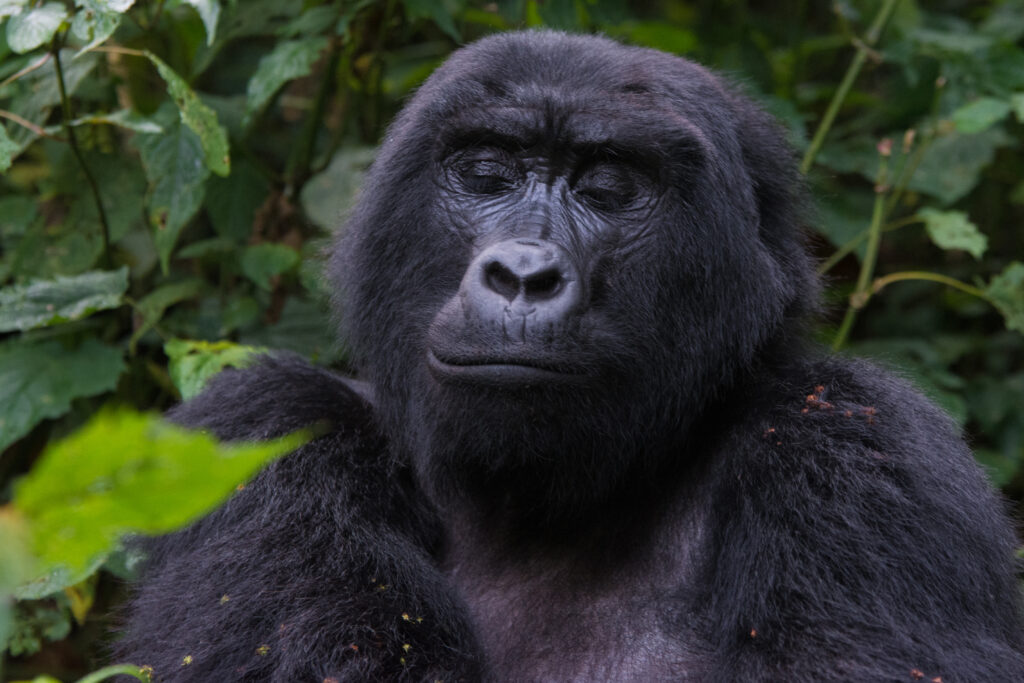
The Gorilla Habituation Experience in Bwindi Impenetrable National Park is a rare and immersive wildlife activity that allows visitors to spend extended time with mountain gorillas in their natural habitat. Unlike standard gorilla trekking, which limits visitors to one hour with a fully habituated gorilla family, the habituation experience allows up to four hours with a semi-habituated group. This longer interaction provides deeper insight into gorilla behavior, social structure, feeding patterns, and daily routines. Visitors join conservationists, trackers, and researchers as part of the ongoing habituation process. The experience is highly regulated and designed for travelers seeking education, conservation involvement, and meaningful wildlife encounters. It is widely regarded as one of the most exclusive primate experiences in Africa.
Where Gorilla Habituation Is Done in Uganda
The Gorilla Habituation Experience is only available in Bwindi Impenetrable National Park, located in southwestern Uganda. Bwindi is a UNESCO World Heritage Site and protects nearly half of the world’s remaining mountain gorilla population. The habituation activity takes place exclusively in the southern sectors of Bwindi, specifically Rushaga and Nkuringo. These areas host gorilla families that are still undergoing the habituation process and are not yet open to regular trekking. Because only a few families are designated for habituation, access is extremely limited. This controlled approach ensures gorilla welfare and minimizes disturbance.
What Gorilla Habituation Means
Gorilla habituation is the gradual process of helping wild gorillas become accustomed to human presence without altering their natural behavior. This process typically takes two to three years and involves daily visits by rangers, trackers, researchers, and veterinarians. During habituation, gorillas learn that humans are not a threat, allowing safe observation without stress. The Gorilla Habituation Experience allows visitors to join this conservation effort for one day. Participants observe how researchers monitor gorilla reactions, behavior changes, and social interactions. This makes the experience educational, scientific, and conservation-focused rather than purely touristic.
Difference Between Gorilla Habituation and Gorilla Trekking
Both gorilla habituation and standard gorilla trekking take place in Bwindi, but they differ significantly in depth and structure. Gorilla trekking allows one hour with a fully habituated gorilla family, with a maximum of eight visitors per group. Gorilla habituation allows four hours with a semi-habituated family, with a maximum of four visitors per group, creating a more private and immersive experience. The habituation permit is more expensive because of extended time, specialized ranger involvement, and conservation intensity. Habituation also involves more walking, observation, and interaction with researchers. Travelers choosing habituation should be prepared for a longer and more physically demanding day.
Gorilla Habituation Permit Costs in Uganda
Gorilla habituation permits are issued by the Uganda Wildlife Authority and are strictly limited.
The current official permit costs are:
Foreign Non-Residents: USD 1,500 per person
Foreign Residents: USD 1,000 per person
East African Citizens: UGX 750,000 per person
The permit allows one habituation experience on one day and includes four hours with the gorillas. Permit availability is extremely limited, with only two habituation groups per day, meaning a maximum of eight permits daily. Due to this scarcity, permits often sell out months in advance.
Best Time to Go for Gorilla Habituation in Uganda
Gorilla habituation is available year-round, but weather conditions affect trekking comfort. The best months are June to October and December to March, which are Uganda’s drier seasons. During these months, forest trails are less muddy, vegetation is thinner, and gorilla visibility is clearer, making photography easier. The wetter months of April, May, and November bring thicker vegetation and slippery trails, but gorilla movements are usually shorter because food is abundant. Importantly, gorilla habituation is never cancelled due to rain, and sightings are almost guaranteed. Travelers should choose timing based on comfort rather than fear of missing gorillas.
How the Gorilla Habituation Experience Works
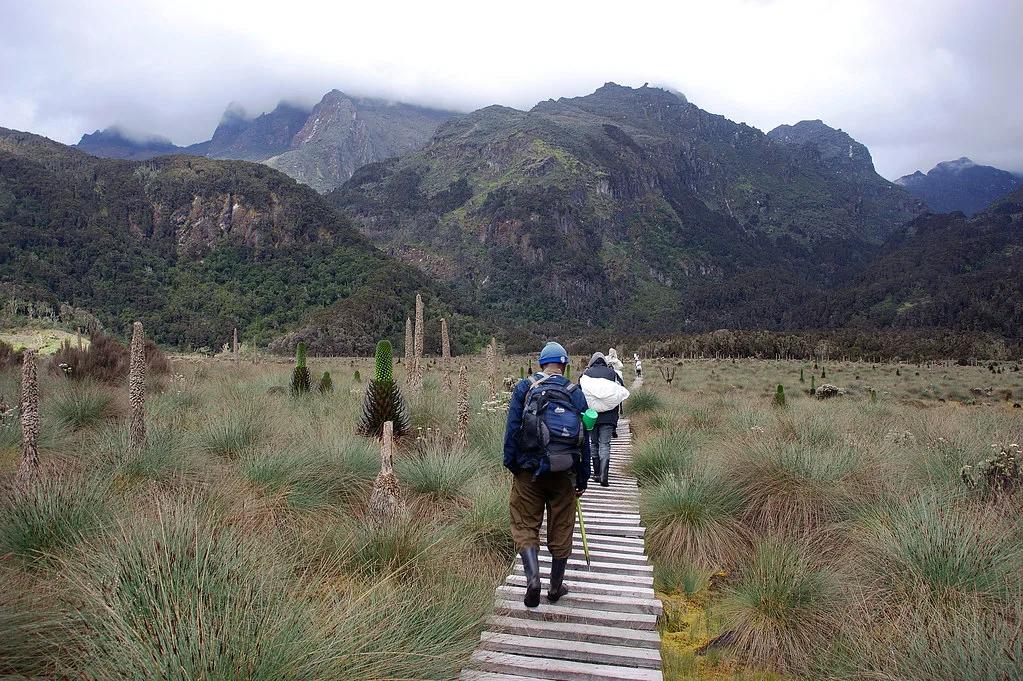
The day starts early with a detailed briefing at the park headquarters conducted by UWA rangers. Visitors are assigned to a habituation group and led into the forest by armed rangers, trackers, and researchers. The trek can last one to four hours, depending on where the gorilla family is located. Bwindi’s terrain is steep, muddy, and densely vegetated, making the hike physically demanding. Once the gorillas are located, visitors spend four hours observing feeding, grooming, play, dominance displays, and social bonding. Researchers explain gorilla behavior and conservation challenges throughout the encounter. The experience ends with a guided trek back to the starting point.
Conservation and Community Impact
The Gorilla Habituation Experience plays a major role in gorilla conservation and community support. Permit revenue funds anti-poaching patrols, veterinary care, habitat protection, and ranger salaries. Local communities benefit through employment as guides, porters, lodge staff, and suppliers. Tourism revenue also supports schools, health centers, and infrastructure projects around Bwindi. By participating in habituation, visitors directly support long-term gorilla survival. This makes the experience both meaningful and responsible.
Fitness Level Required for Gorilla Habituation
The Gorilla Habituation Experience requires moderate to high physical fitness. Treks can involve steep ascents, muddy slopes, thick undergrowth, and long walking hours. Visitors should be comfortable hiking for several hours in humid rainforest conditions. Porters are strongly recommended, especially for carrying bags or assisting on steep sections. Hiring a porter also supports local livelihoods. Travelers with reasonable fitness and a positive mindset usually complete the trek successfully.
Where to Stay for Gorilla Habituation in Bwindi
Because habituation takes place in southern Bwindi, staying in Rushaga or Nkuringo is highly recommended.
Budget options include Rushaga Gorilla Havens Lodge, Karungi Camp, and Nshongi Camp.
Mid-range lodges include Rushaga Gorilla Camp and Ichumbi Gorilla Lodge.
Luxury options include Gorilla Heights Lodge, Chameleon Hill Lodge, Four Gorillas Lodge, Clouds Mountain Gorilla Lodge, and Nkuringo Bwindi Gorilla Lodge.
Staying close to the trekking sector reduces early-morning driving and improves comfort on trekking day.
How to Get to Bwindi for Gorilla Habituation
By road, southern Bwindi is accessed from Entebbe or Kampala via Kabale and Kisoro, a journey of approximately 8–9 hours. Travelers turn off at Muko on the Kabale–Kisoro road and continue to Rushaga or Nkuringo.
By air, visitors can fly from Entebbe International Airport or Kajjansi Airfield to Kisoro Airstrip, followed by a road transfer to the lodge. Scheduled and charter flights are available through domestic airlines. Air travel significantly reduces travel time and fatigue.
How to Book the Gorilla Habituation Experience
Booking requires securing a habituation permit in advance. Travelers must confirm travel dates, then check permit availability with the Uganda Wildlife Authority. Once availability is confirmed, payment is made, and the permit is purchased immediately. A scanned copy of the permit is issued as confirmation. Due to limited permits, booking at least 2–3 months in advance is strongly advised, and even earlier for peak seasons. Permit booking should always be the first step before confirming accommodation and transport.
Why Book Your Gorilla Habituation Experience With Katland Safaris
Katland Safaris specializes in customized gorilla safaris and conservation-focused travel. The company provides personalized planning, sector-matched accommodation, reliable transport, and experienced guides. Katland Safaris follows responsible tourism principles and promotes environmental protection and community benefit. Their team ensures permits, logistics, and trekking details are handled smoothly. Booking through an experienced operator reduces risk and enhances the overall experience. This approach allows travelers to focus fully on the gorilla encounter itself.