Do Mountain gorillas climb trees | unveiling the surprising tree climbing skills of mountain gorillas

Do Mountain gorillas climb trees | Unveiling the surprising tree climbing skills of mountain gorillas
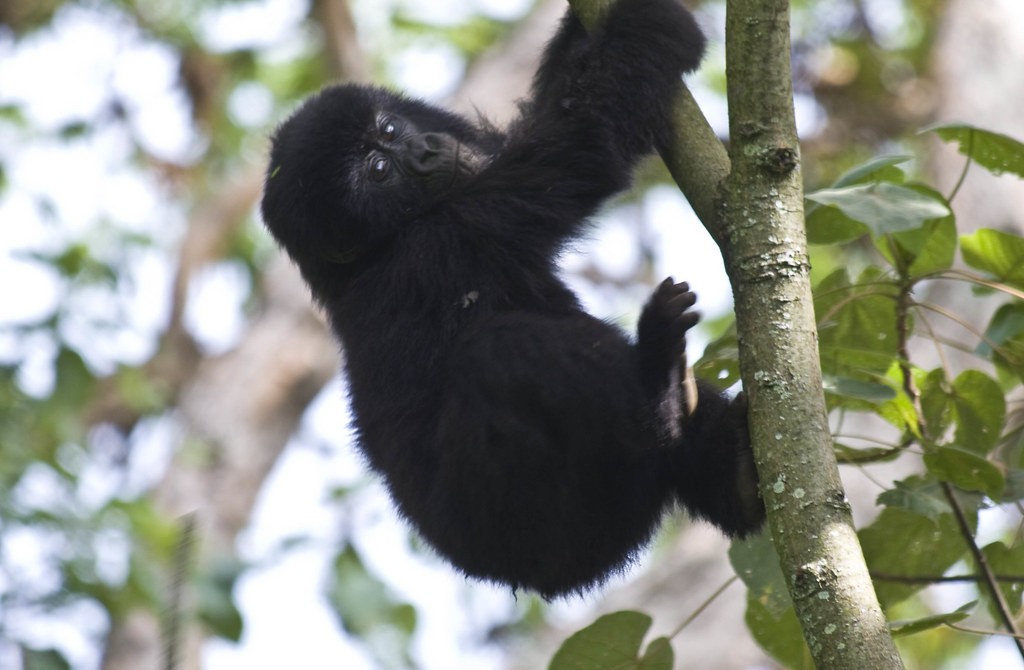
Do Mountain gorillas climb trees? Have you ever wondered if these gentle giants, despite their immense size and powerful build, are capable of ascending to the treetops? Prepare to be amazed! While we might typically envision mountain gorillas navigating the dense jungle undergrowth, their climbing prowess will surely capture your curiosity.
Mountain Gorillas: More Than Just Ground Dwellers
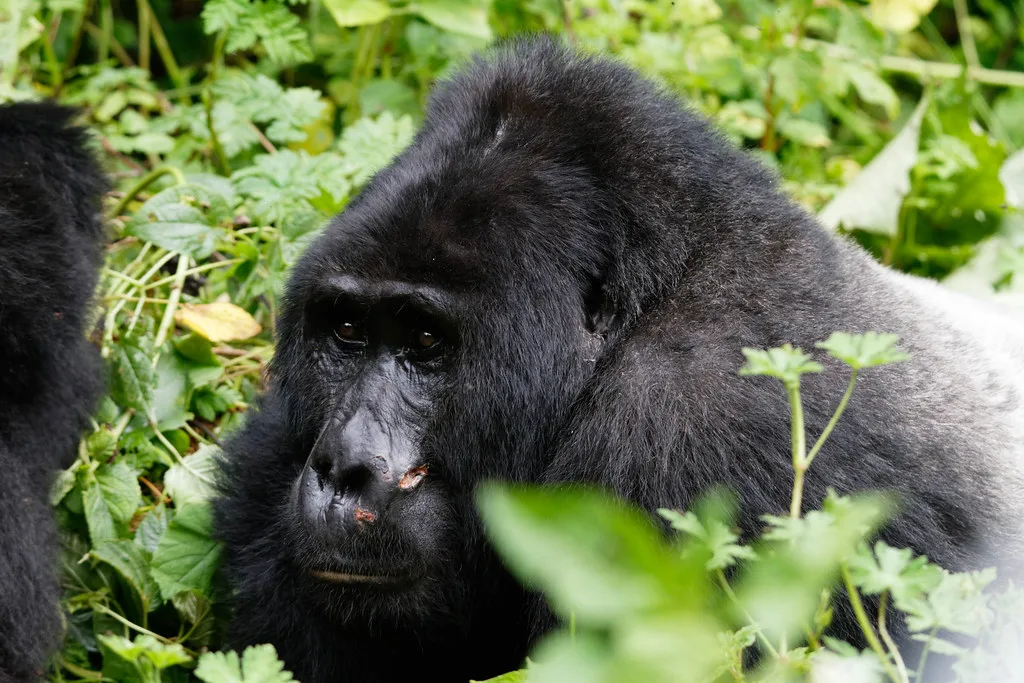
Mountain gorillas, the world’s largest primates, are remarkable creatures, known for their social bonds, intelligence, and imposing presence. While their powerful bodies are well-suited for terrestrial life, their climbing abilities are often underestimated. While they spend most of their time on the ground, mountain gorillas possess a surprising knack for climbing trees, a skill that serves several crucial purposes in their daily lives.
A Primate’s Guide to Tree Climbing by Mountain gorillas
Despite their bulky frame, mountain gorillas are agile climbers. Their long arms and muscular legs provide the necessary strength and leverage to ascend trees with surprising ease. They use their strong hands and feet to grip branches and vines, deftly maneuvering through the intricate network of foliage. While not as nimble as some arboreal primates, their deliberate and powerful climbing style is nonetheless impressive.
Feeding in the Treetops
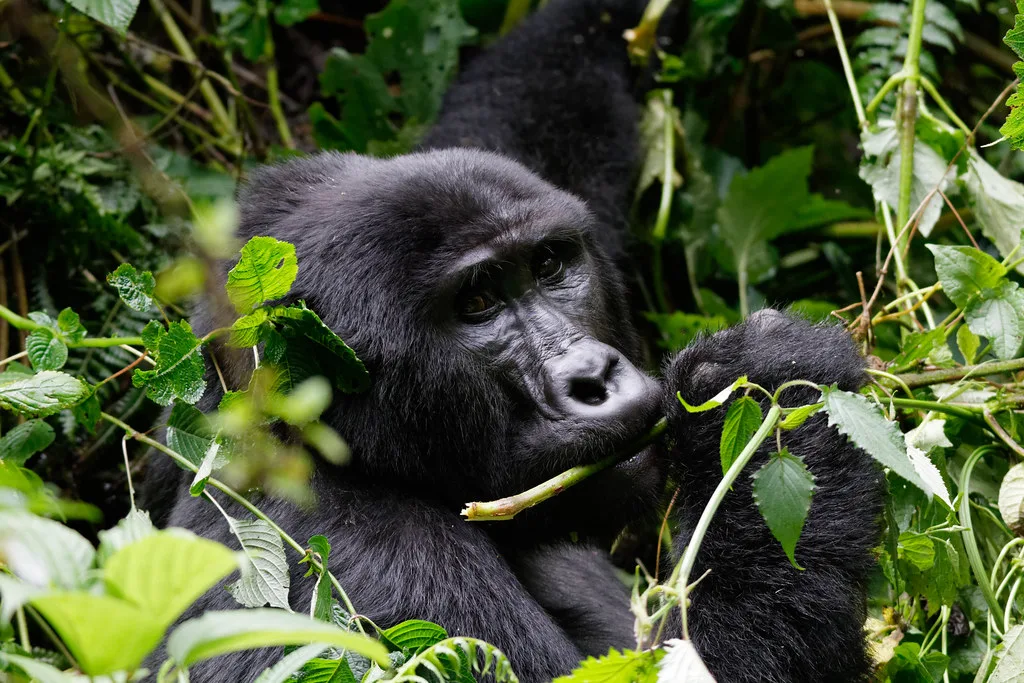
One of the primary reasons mountain gorillas venture into the trees is to access foliage, fruits, and bark that are out of reach from the ground. They are primarily herbivorous, and their diet consists of a wide variety of plants. While they consume a substantial amount of ground-level vegetation, their climbing abilities enable them to diversify their diet by accessing a richer source of nutrients. They skillfully navigate branches to reach succulent leaves, ripe fruits, and even bark, demonstrating their adaptability in securing food resources.
Seeking Shelter and Building Nests
In addition to foraging, mountain gorillas also utilize trees for shelter and nesting. Especially during heavy rainfall or in search of protection from predators, they seek refuge among the branches. Furthermore, they build nests made of leaves, branches, and other vegetation, often in elevated positions. These nests provide a comfortable and secure place for sleeping and resting, particularly for females and their young. The ability to build nests in trees demonstrates their spatial awareness and adaptability in creating safe spaces within their environment.
Evading Predators and Observing the Surroundings
Climbing trees also serves as a defensive strategy against predators. While mountain gorillas face few natural predators in their habitat, their climbing abilities offer an escape route if threatened. Furthermore, ascending trees allows them to gain a wider perspective of their surroundings, enabling them to spot potential dangers or locate resources from a distance. Their elevated vantage point provides them with a better understanding of their environment and enhances their overall safety.
The Role of Environment in Tree Climbing
The frequency and ease with which mountain gorillas climb trees can vary depending on their habitat and the available resources. In areas with dense vegetation and tall trees, they may climb more frequently to access food and shelter. Conversely, in areas with sparse trees or limited resources, they may rely more on ground-level foraging and nesting. The presence of suitable trees and the availability of resources shape their tree-climbing behavior and influence their overall interaction with their environment.
Conclusion: A Tale of Arboreal Adaptations
In conclusion, mountain gorillas are far from being strictly ground-dwelling creatures. Their surprising tree-climbing skills are integral to their survival, enabling them to access a diverse range of food sources, seek shelter, build nests, and avoid predators. Their deliberate and powerful climbing style, though perhaps not as agile as that of some other primates, is a testament to their adaptability and resourcefulness in navigating the complex ecosystem they inhabit. So, the next time you picture a mountain gorilla, remember that they are not just giants of the ground, but also capable climbers, exploring the intricate world that extends far above the forest floor.