Can Mountain Gorillas Live in Captivity? The complex truth about these great Apes

Can Mountain Gorillas Live in Captivity? The complex truth about these great Apes.
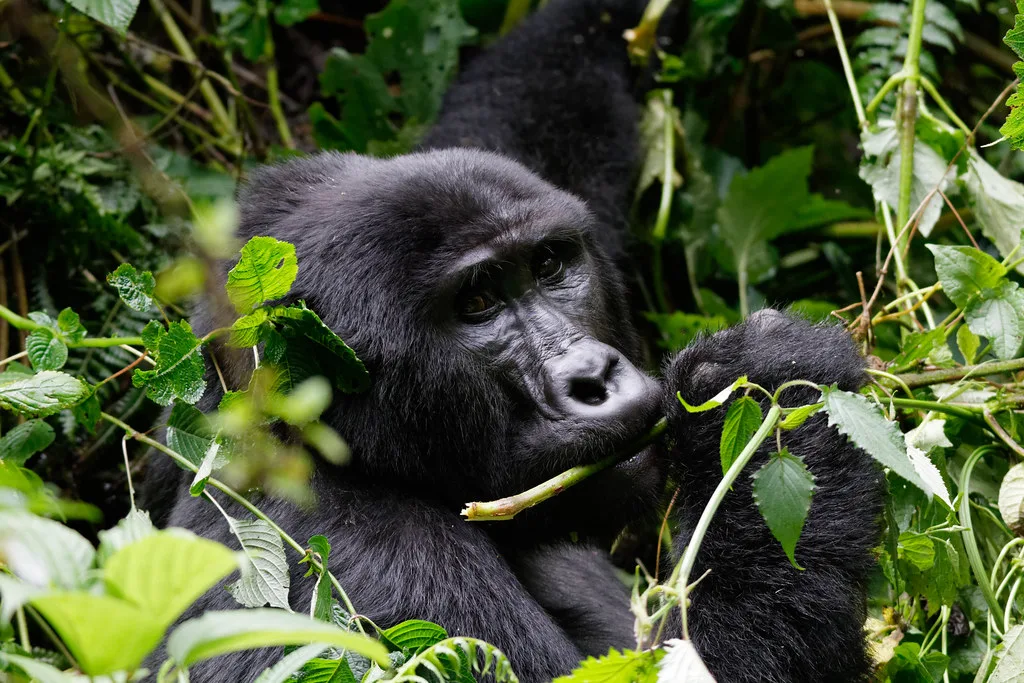
Can Mountain Gorillas Live in Captivity?. Imagine, for a moment, the emerald hills of the Virunga Mountains. A family of mountain gorillas, with their massive frames covered in thick, dark fur, moves rhythmically through the lush foliage. Their home is a vibrant tapestry of bamboo forests, montane grasses, and volcanic peaks, a place where the air is crisp, and the sounds of nature weave a constant symphony. Now, imagine transporting this family to a concrete enclosure, a human-designed space, however carefully constructed. The thought, while difficult, is one that echoes across the halls of conservation and the hearts of wildlife enthusiasts around the world.
Can mountain Gorillas truly live in captivity? This is a question that carries profound weight, a question that delves into the very essence of what it means to coexist with these extraordinary beings. To answer it, we must journey beyond the surface and explore the complex relationship between mountain gorillas and the intricate ecosystems they call home. We must understand their biological needs, their social structures, and the impact of human intervention on their physical and psychological well-being.
The Natural World of the Mountain Gorilla in East Africa.
Mountain gorillas (Gorilla beringei beringei) are a subspecies of the eastern gorilla, and they are nothing short of remarkable. Their entire existence is interwoven with the high-altitude forests they inhabit. Unlike their lowland counterparts, mountain gorillas have adapted to the challenges of their specific environment. Their thick, long fur provides insulation against the cold, and their bodies are built for navigating the steep, rugged terrain.
Their home, the Virunga Massif and the Bwindi Impenetrable National Park, spans across Rwanda, Uganda, and the Democratic Republic of Congo. These are not merely geographical locations; they are intricate tapestries of life. The forests are rich in biodiversity, offering a constant supply of food, shelter, and a complex array of stimuli.
Diet and Foraging of Mountain Gorillas
A crucial aspect of their life is their diet. Mountain gorillas are predominantly herbivores. They consume a vast array of vegetation, including leaves, stems, bamboo shoots, and some fruits. Their diet is seasonal, requiring constant movement and adaptation to the availability of food sources. Foraging is not just about sustenance; it’s a fundamental activity that shapes their physical development, their knowledge of the landscape, and their social interactions.
Social Structures and Family Bonds of Mountain gorillas.
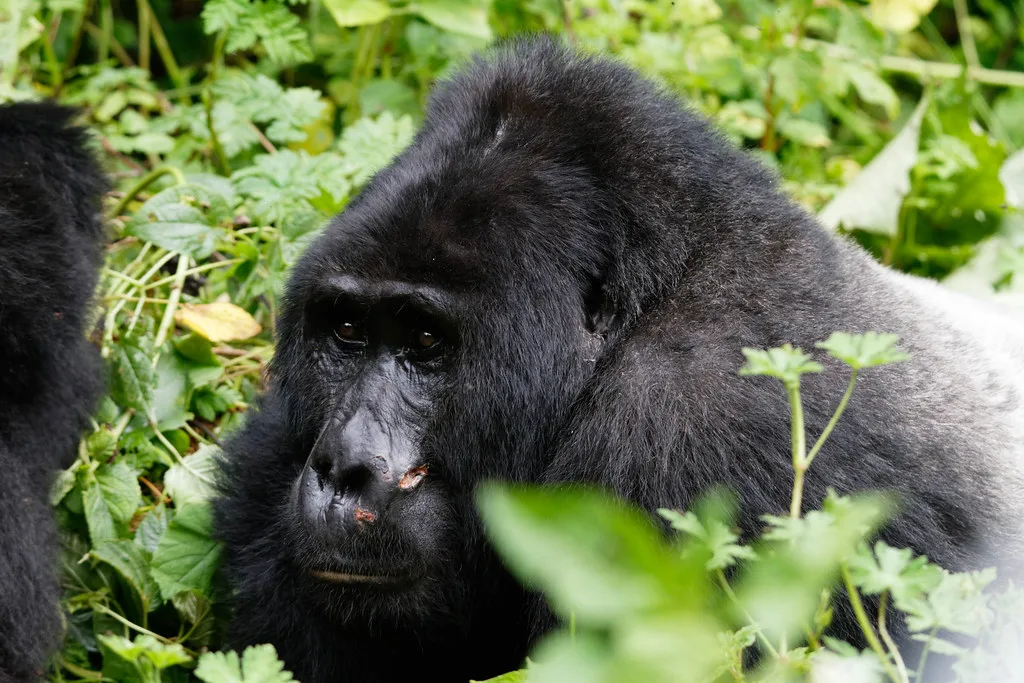
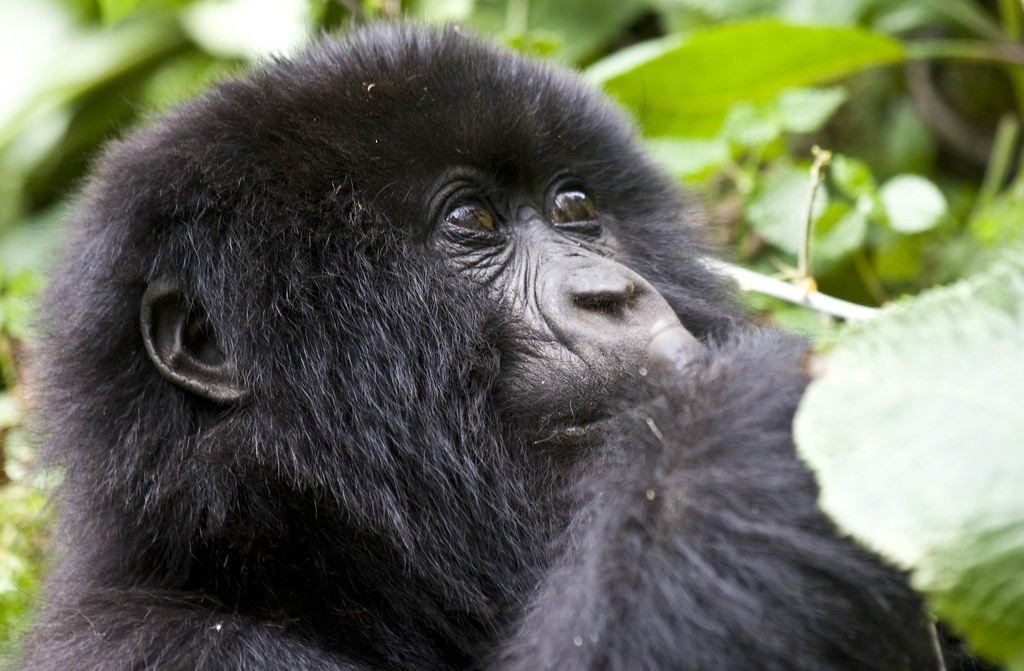
Perhaps the most compelling aspect of mountain gorilla life is their deep-rooted social structure. They live in cohesive family groups, typically led by a dominant silverback. These groups are more than just a gathering of individuals; they are interconnected families with strong emotional bonds. The silverback provides leadership and protection, while the females care for the young and maintain social harmony.
Their social life is a complex dance of communication. Through vocalizations, body language, and subtle expressions, they convey a wide range of emotions—from affection and playful joy to distress and aggression. Grooming, in particular, is a vital social behavior that strengthens bonds, builds trust, and helps maintain a cohesive group.
The Challenge of Captivity of Mountain gorillas:
Now, contrast this rich, dynamic life with the limitations of a captive environment. The question isn’t whether it’s physically possible to keep a gorilla alive in a zoo. We know that other gorilla species, like the western lowland gorilla, can and do survive in zoos worldwide. However, for mountain gorillas, the story is dramatically different.
Historically, attempts to keep mountain gorillas in captivity have met with tragic results. Many of the gorillas that were captured died shortly after being placed in enclosures. They succumbed to disease, stress, and a lack of proper nutrition. The very environment that was designed to protect them became a source of their decline.
Disease and Physical Well-being in Captivity
One of the major challenges of keeping mountain gorillas in captivity is their susceptibility to human diseases. Their immune systems are highly specialized to fight the pathogens of their natural environment. Exposure to human illnesses, such as respiratory infections, can be devastating. Captive environments, regardless of cleanliness, create a breeding ground for these diseases.
Furthermore, the physical limitations of an enclosure cannot replicate the demands of the Virunga Mountains. The concrete floors, the lack of vertical space for climbing, and the sterile environment can lead to physical ailments such as obesity, heart conditions, and digestive problems.
Psychological and Emotional Distress in Captivity.
Beyond the physical challenges, captivity imposes a significant psychological burden on mountain gorillas. Their complex emotional lives and deep social needs are often unmet in artificial settings. The inability to roam their vast territories, the lack of stimulation, and the separation from their families can lead to depression, anxiety, and a sense of hopelessness.
In natural habitats, gorillas are constantly learning and adapting. In captivity, this constant intellectual and physical stimulation is missing. The resulting boredom can lead to repetitive and often self-destructive behaviors, like pacing and hair-plucking.
The Social Impact
The deep-rooted social structures that are so vital to their well-being are often fragmented in captivity. Even when kept in groups, the social dynamics are artificial and controlled. The constant stress of being in proximity to humans and other unrelated gorillas can create conflict and undermine the complex relationships that define their natural existence.
A Legacy of Conservation: In-Situ is the Answer
Given the profound challenges and the historical failures of keeping mountain gorillas in captivity, the international conservation community has arrived at a powerful and definitive conclusion: the key to their survival lies not in enclosures, but in their natural habitat.
This philosophy of in-situ conservation – preserving the species within its natural environment – has been the cornerstone of all mountain gorilla conservation efforts. Organizations and individuals across East Africa have worked tirelessly to protect their dwindling populations, focusing on a multi-faceted approach.
Anti-Poaching Efforts
Poaching, particularly for the bushmeat trade, remains a significant threat. Dedicated park rangers, often risking their lives, work around the clock to patrol the mountain forests, locating and removing snares, and tracking down illegal activities. These efforts are not only crucial for the gorillas but also for the entire ecosystem.
Habitat Protection and Restoration
The loss of habitat to agriculture and human encroachment is another major challenge. Conservation organizations work closely with local communities to create buffer zones, promote sustainable farming practices, and restore degraded forest areas. Protecting the integrity of their habitat ensures that mountain gorillas have the space and resources they need to thrive.
Community Engagement and Education
Successful conservation is not possible without the support of the people living alongside the gorilla habitats. Organizations engage with local communities, providing education on the importance of conservation and the benefits that wildlife tourism can bring. They invest in local infrastructure, healthcare, and livelihood programs, creating a sense of shared responsibility for the gorillas and their home.
Responsible Ecotourism
Responsible gorilla trekking, while complex, has emerged as a key tool for conservation. The revenue generated from permit fees is crucial for supporting park management, anti-poaching activities, and community development projects. It provides a financial incentive for protecting the gorillas and their habitat, creating a virtuous cycle that benefits both the wildlife and the people.
The Path Forward: Coexistence and Compassion
The question of whether mountain gorillas can live in captivity is ultimately a question about our values. Do we see these magnificent creatures as resources to be displayed for our entertainment, or as sentient beings with their own intrinsic value and right to exist in their natural world?
The story of the mountain gorilla is a story of resilience and the transformative power of compassionate action. Thanks to the unwavering commitment of conservationists and the support of local communities, mountain gorilla populations are slowly increasing. They stand as a testament to what is possible when we choose to work in harmony with nature.
When we consider the question, “Can mountain gorillas live in captivity?” our answer must be a resounding “No.” It is a question that, in itself, reveals our fundamental misunderstanding of their nature. Their very being is inseparable from the high-altitude forests of the Virunga Mountains. Their physical health, their psychological well-being, and their social intricate lives are all deeply dependent on the freedom, the complexity, and the raw beauty of their natural home.
Our role is not to recreate their world in a concrete enclosure, but to protect the one they already have. Our challenge is not to manage their lives, but to manage our own impact on their existence. In doing so, we not only ensure the survival of this extraordinary species but also safeguard the wild and wonderful places that are essential to the health of our planet. The mountain gorillas teach us a profound lesson in coexistence and compassion, a lesson that reminds us that the best way to honor their life is to let them be. Let them continue their rhythmic dance through the emerald hills, a living, breathing testament to the power and complexity of the natural world.