Best Time Uganda Photography: The Ultimate 2026 Guide for Wildlife Photographers

Best Time for Uganda Photography: The Ultimate 2026 Guide
Best Time Uganda Photography. Uganda is a dream destination for anyone with a camera. Known as the “Pearl of Africa,” this country offers more than just the “Big Five.” It offers the “Big Six,” including the world-famous mountain gorillas and chimpanzees. But if you want to capture that award-winning shot of a silverback through the mist or a lion climbing a cactus tree, timing is everything.
At Katland Safaris, we know that a photographer’s needs are different from those of a regular tourist. You don’t just want to see the animal; you want the right light, the right background, and the right behavior. This guide breaks down the best time for Uganda photography to ensure your memory cards are filled with magic.
Understanding Uganda’s Seasons for Photographers
Uganda sits right on the equator. This means we don’t have “winter” or “summer.” Instead, we have dry seasons and wet seasons. Each one changes the “look” of your photos completely.
The Dry Seasons: June to September & December to February
These are widely considered the best time for Uganda photography if you are focusing on wildlife and primates.
- The Light: Expect clear, blue skies and reliable “Golden Hour” light (the hour after sunrise and before sunset).
- The Action: Because water is scarce, animals gather around lakes and rivers. This makes it easy to predict where the action will happen.
- Visibility: The grass is short and golden. You won’t have long stalks of green grass blocking your view of a leopard’s face.
The Wet Seasons: March to May & October to November
Don’t let the word “rain” scare you. Many professional photographers actually prefer the “Green Season.”
- The Colors: The dust is washed away. The landscapes become an intense, vibrant green that makes colors pop in your photos.
- The Atmosphere: You get dramatic clouds, rainbows, and moody mist over the rainforests.
- Birding: This is the best time for bird photography as migratory birds arrive and many species display colorful breeding plumage.
- Monthly Breakdown: When Should You Book?
| Month | Photography Conditions | Best For… |
| January – February | Very Dry, Clear Skies | Big Game, Lion Tracking, Gorillas |
| March – May | Heavy Rain, Lush Green | Landscapes, Macro, Lighting Storms |
| June – August | Peak Dry, Easy Trekking | The Absolute Best Overall Time |
| September – October | Light Rain, Great Clouds | Chimpanzees, Diverse Scenery |
| November | Wet, High Bird Activity | Shoebill Stork, Vibrant Birds |
| December | Start of Dry Season | Balanced Wildlife & Landscapes |
- Best Time for Primate Photography
Capturing mountain gorillas in Bwindi Impenetrable National Park or chimpanzees in Kibale Forest requires a specific set of conditions.
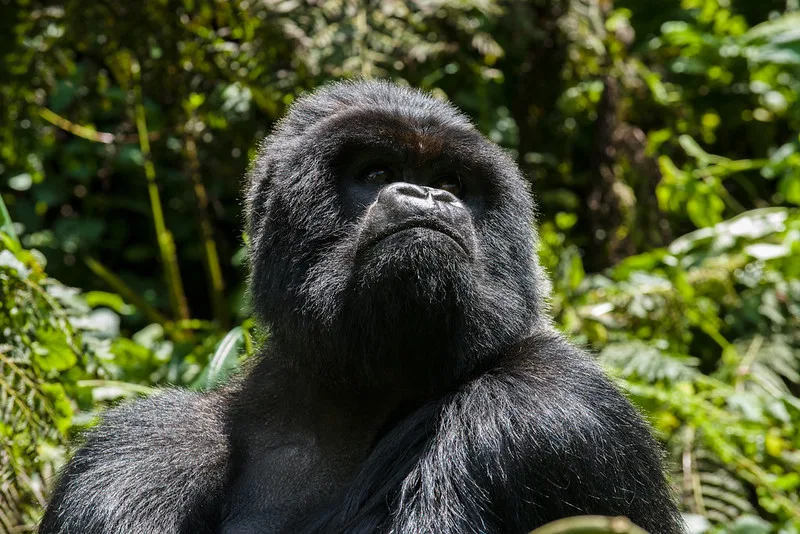
Capturing the Great Apes: Mountain Gorillas.
For gorillas, the best time for Uganda photography is during the drier months (June to August). Why? Because the forest floor is less slippery. You can position your tripod or monopod more steadily. More importantly, the canopy is slightly thinner, allowing more light to reach the forest floor where the gorillas spend their time.
Pro Tip for Forest Lighting
Even in the dry season, the forest is dark. We recommend using lenses with a wide aperture (like $f/2.8$) to let in as much light as possible without having to push your ISO too high.
- Top Locations for Stunning Wildlife Shots
To make the most of the best time for Uganda photography, you need to be in the right spots. Katland Safaris recommends these top four locations:
Murchison Falls National Park
This is where the Nile River squeezes through a tiny 7-meter gap.
- The Shot: Use a slow shutter speed to capture the “milkiness” of the world’s most powerful waterfall.
- Best Time: Late afternoon for the “trademark rainbow” that forms over the falls.
Queen Elizabeth National Park
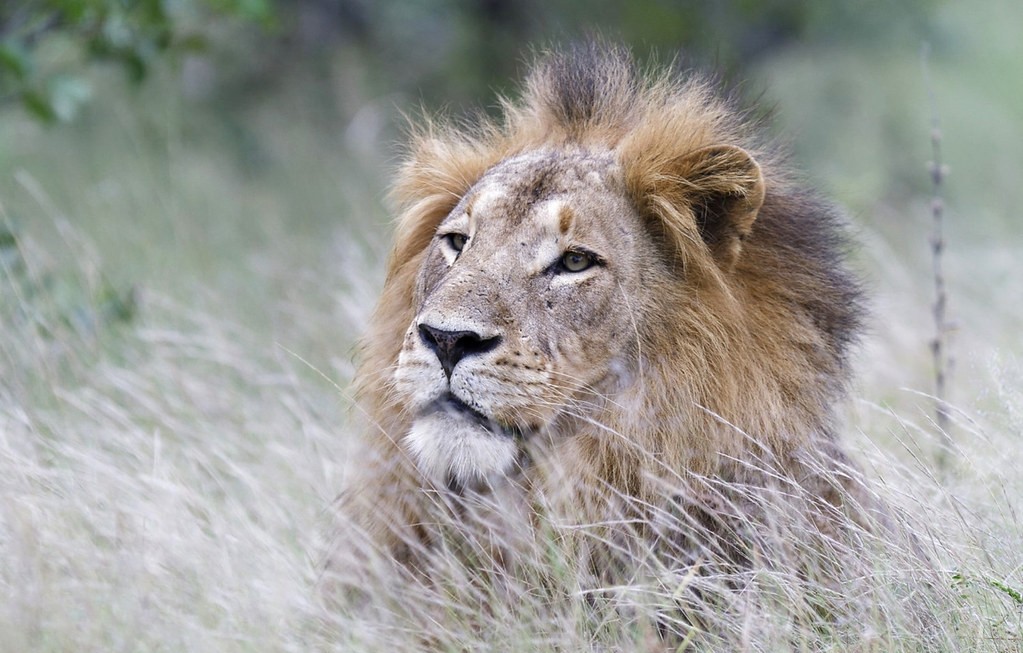
Famous for the tree-climbing lions of Ishasha.
- The Shot: A lion silhouetted against a sunset while resting on a thick fig tree branch.
- Best Time: January or July, when the lions are most likely to be up in the trees to escape the heat on the ground.
Kidepo Valley National Park
This is Uganda’s most remote park and a landscape photographer’s paradise. It looks like the Africa you see in movies—vast, jagged mountains and open plains.
- The Shot: A lone elephant walking across the dry Narus Valley.
Mabamba Swamp
If you want to photograph the prehistoric-looking Shoebill Stork, this is the place.
- The Shot: The bird standing perfectly still in the water, waiting to strike.
- Lighting and Composition Tips for Uganda
In Uganda, the sun is strong. By 11:00 AM, the light can be very “harsh,” creating deep shadows under an elephant’s ears or a gorilla’s brow.
Work the Golden Hours
Most Katland Safaris photography tours start at 6:00 AM. We want you on-site when the sun begins to peek over the horizon. The light at this time is soft, warm, and orange. It makes animal fur look textured and alive.
Use the Clouds
During the wet season, the clouds act as a giant “softbox.” This creates even, flat light, which is actually perfect for portrait photography of primates. You won’t have to deal with high-contrast shadows on their faces.
- Essential Gear for Your Uganda Photo Safari
To truly take advantage of the best time for Uganda photography, you need to pack wisely.
- Telephoto Lens: A 100-400mm or 200-600mm is essential for wildlife.
- Wide-Angle Lens: For the breathtaking craters and the Rwenzori Mountains.
- Weather Sealing: Rain can happen anytime in the rainforest. Bring “rain sleeves” for your camera and dry bags for your backpack.
- Extra Batteries: The African heat and long days of shooting can drain batteries faster than expected.
Why Choose Katland Safaris for Your Uganda Photography Tour?
At Katland Safaris, we don’t just drive you to the park. We understand the “wait.” We know that sometimes you need to sit by a leopard for an hour to get the perfect yawn or the moment it leaps from a tree.
Our guides are trained to position the vehicle according to the sun. We ensure the light is behind you, not the animal, so your subjects aren’t silhouetted (unless that’s the look you want!). We also offer customized private tours, giving you 100% control over the schedule.
Conclusion
The best time for Uganda photography depends on your goals. For classic wildlife and easy gorilla trekking, aim for June to September. For dramatic, moody landscapes and vibrant birds, the “Green Season” of October and November will not disappoint.
Uganda is waiting for your lens. Whether it’s the golden savannahs or the emerald forests, every corner of this country tells a story. Let Katland Safaris help you tell yours.