What Gorilla Trekking Really Involves
Gorilla trekking is a guided forest walk that follows gorilla families that have been habituated to human presence. Each morning, trackers locate the gorillas before visitors enter the forest, increasing the chance of a successful encounter. Treks can last from one to several hours depending on where the gorillas are feeding that day. The terrain is often steep, muddy, and thick with vegetation, making a reasonable level of fitness helpful. Once the gorillas are found, visitors spend a strictly limited time observing them quietly. This controlled approach protects gorilla health and keeps their behavior natural.
Differences Between Gorilla Tours in Uganda and Rwanda
Uganda and Rwanda both offer excellent gorilla trekking, but the experiences differ slightly in style and logistics. Uganda generally provides more trekking sectors and a wider range of travel options, including longer forest hikes and more remote settings. Rwanda’s gorilla tours are known for easier access from the capital and a more compact travel route. Trek difficulty can vary in both countries depending on the gorilla family assigned on the day. The overall wildlife encounter is equally powerful in both destinations. Choosing between them often depends on budget, travel time, and personal preference rather than quality.
Gorilla Permit System Explained
Gorilla trekking requires a government-issued permit, which controls the number of visitors allowed each day. Permits are mandatory and must be secured in advance, especially during high travel seasons. The permit fee contributes directly to conservation, park management, and community support. Without a permit, gorilla trekking is not allowed under any circumstances. Because permits are limited, early planning is essential for travelers with fixed dates. Understanding the permit system is one of the most important steps in planning a gorilla tour.
Best Time to Go on a Gorilla Tour
Gorilla tours operate year-round, but weather conditions affect trekking comfort. Drier months generally make forest trails easier to navigate and reduce the physical challenge. Wetter periods bring lush scenery and fewer visitors but can involve muddy and slippery paths. Gorilla sightings remain reliable throughout the year because families are tracked daily. Travel timing should balance weather, crowd levels, and permit availability. First-time travelers often prefer drier seasons for a more comfortable introduction.
Physical Fitness and Trek Difficulty
Gorilla trekking does not require extreme fitness, but travelers should be prepared for uneven terrain and changing conditions. Some treks involve steep slopes and dense vegetation, while others are shorter and gentler. Rangers adjust group assignments based on fitness levels when possible. Walking poles and porters are available to assist during the trek. Taking breaks is normal, and guides move at a manageable pace. Preparation and realistic expectations make the experience more enjoyable.
What to Expect During the Gorilla Encounter
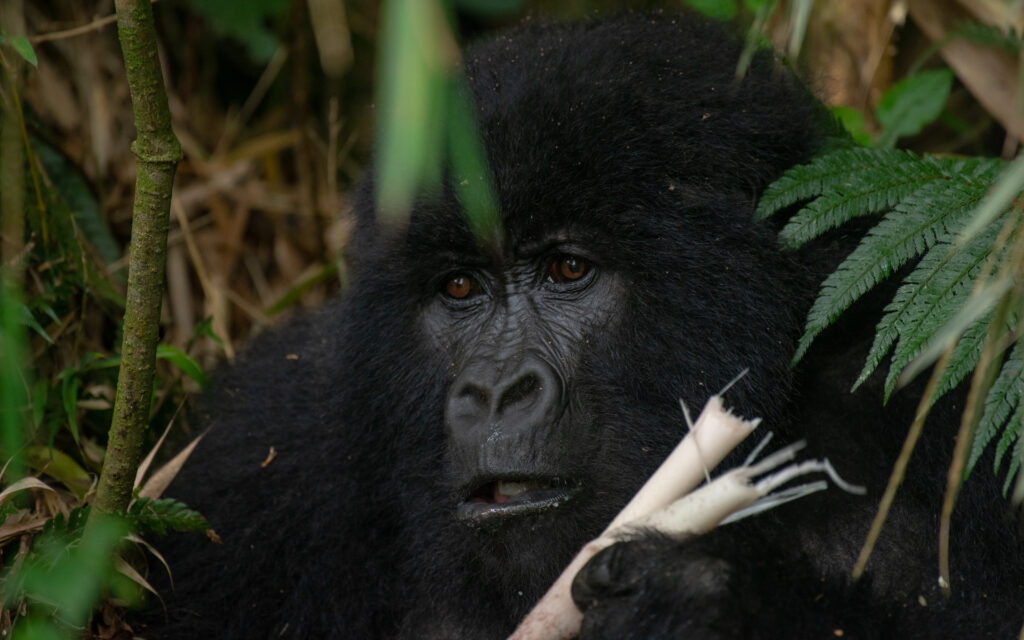
Meeting mountain gorillas is quiet, controlled, and deeply moving. Visitors observe gorillas feeding, resting, grooming, and interacting naturally within their family groups. Rangers enforce strict rules regarding distance, behavior, and photography. Flash photography and sudden movements are not allowed. The limited time spent with the gorillas helps reduce stress and disease risk. Many travelers describe this hour as one of the most meaningful wildlife experiences of their lives.
Accommodation Options Near Gorilla Parks
Gorilla tours usually include overnight stays near the trekking parks to allow early morning starts. Accommodation ranges from simple lodges to high-end properties, all designed to place travelers close to the forest. Comfort levels vary, but most lodges offer warm meals, hot showers, and knowledgeable staff. Staying near the park reduces travel time and increases rest before trekking. Lodge choice affects overall comfort but not the quality of the gorilla encounter. Location and access are more important than luxury alone.
Health, Safety, and Gorilla Conservation
Health and safety are taken seriously on all gorilla tours. Visitors showing signs of illness are not allowed to trek to protect gorillas from human diseases. Rangers carry first aid equipment and manage safety throughout the trek. Gorilla tourism supports anti-poaching efforts, veterinary care, and habitat protection. Local communities benefit through employment and revenue-sharing programs. Responsible travel ensures that tourism continues to protect gorillas rather than harm them.
Costs and Value of Gorilla Tours
Gorilla tours are more expensive than many other safari activities due to permits and conservation costs. Prices typically include permits, guiding, park fees, accommodation, and transport. While the cost may seem high, it directly supports gorilla protection and community development. Cheap alternatives often cut essential elements such as proper guiding or park access. For most travelers, the experience justifies the investment. Understanding where the money goes helps travelers see the value beyond the price.