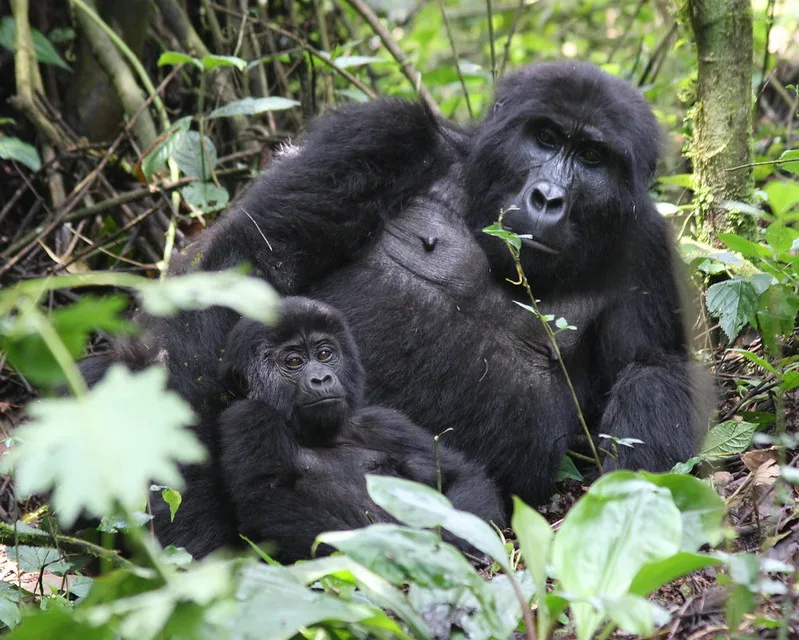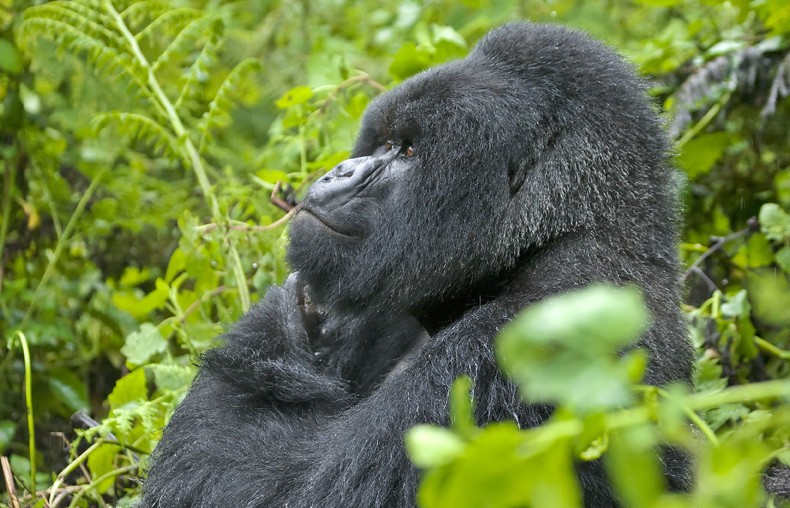
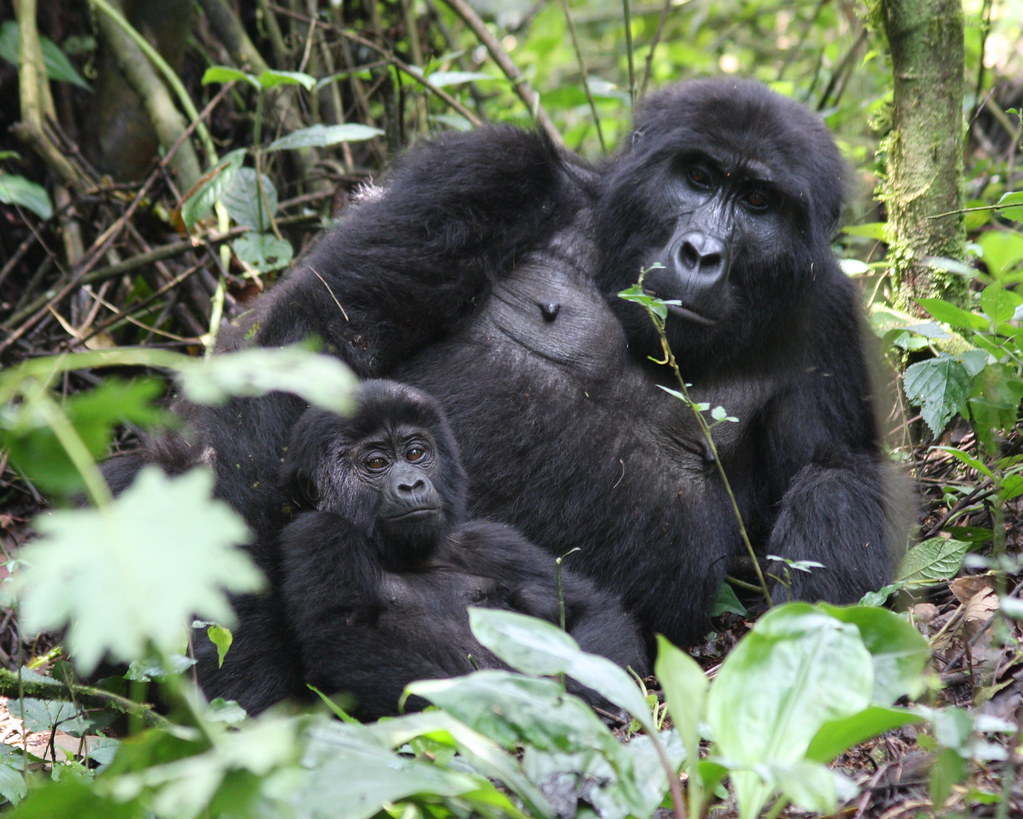

Mountain gorilla habitat in Africa: A journey into the mist to encounter Mountain Gorillas in their Natural Environment.
Mountain gorilla habitat in Africa: Many travelers ask themselves the question of where these gentle giants, our closest relatives, live and roam. Explore the dense rainforests of Uganda, Rwanda, and the Democratic Republic of Congo and discover the unique ecosystem that mountain gorillas call home. Join Katland Safaris on an unforgettable journey to witness these magnificent creatures in their natural habitat in East Africa.
The mist-shrouded peaks of the Virunga Volcanoes, the ancient forests of Bwindi Impenetrable National Park – these are the iconic landscapes that mountain gorillas call home. It’s a world of vibrant greens, damp earth, and the calls of exotic birds. Step into this ancient ecosystem and discover the fragile beauty of a habitat that holds the key to the survival of this critically endangered species.
The Great Ape’s Domain: Understanding the Mountain Gorilla Habitat
Mountain gorillas inhabit a remarkably restricted geographic range, found only within two isolated populations across three African countries: Uganda, Rwanda, and the Democratic Republic of Congo. Their preferred habitat is high-altitude, montane, and submontane rainforests, where a mosaic of dense vegetation, bamboo, and open clearings offers both food and perfect shelter.
Altitude and Climate
While they’re called “mountain” gorillas, they don’t actually live on the barren peaks of the volcanoes. Their habitat lies on the slopes, typically ranging from 7,200 to 14,100 feet (2,200 to 4,300 meters) above sea level. This high altitude means the climate is characterized by significant rainfall (sometimes exceeding 1,500 mm annually) and consistently cool temperatures, often dropping below freezing at night. This humid, often cloudy environment is essential for the lush vegetation they rely on.
A Vertical Forest Ecosystem
Within their range, the forest structure varies considerably, creating several distinct sub-habitats:
The Dense Secondary Forest
This is the classic gorilla habitat, filled with diverse tree species, large ferns, herbaceous plants, and tangled undergrowth. This thick jungle provides a ready supply of their favorite foods, including leaves, stems, bamboo shoots, and some fruits. Here, the dense cover offers protection and a variety of nesting materials.
Bamboo Zones
During certain seasons, mountain gorillas descend to bamboo forests (typically between 7,200 and 8,800 feet). They are particularly fond of young bamboo shoots, and their presence here can create significant trails and nesting sites as they move through the towering stalks.
Open Glades and Swamps
While less common, mountain gorillas do occasionally utilize more open clearings, often around rivers or swamps. These areas can offer specific types of aquatic vegetation or simply provide easier movement when navigating between dense forest patches.
The Keystone Species: Beyond Survival, into Thriving
Understanding the intricate details of the mountain gorilla’s habitat isn’t just a matter of natural curiosity; it’s fundamental to their conservation. This ecosystem is a delicate balance, and any disruption, whether from climate change, habitat loss, or human encroachment, can have catastrophic consequences for these incredible animals.
Adaptation and Behavior
Mountain gorillas are superbly adapted to this challenging, high-altitude environment. Their thick coats protect them from the cold and rain. They possess incredible strength for navigating dense vegetation and climbing trees, yet they remain mostly ground-dwelling. They are skilled engineers of their own habitat, creating intricate nests of leaves and branches each night, and their social structures and feeding patterns are finely tuned to the available resources.
Conservation: The Fight for Their Future
Tragically, the very characteristics that make this habitat so unique also make it incredibly vulnerable. Human population growth, agricultural expansion, political instability, and logging all pose significant threats. The mountain gorilla is currently listed as critically endangered by the IUCN, with a total estimated population of just over 1,000 individuals.
Katland Safaris: Your Responsible Guide to a Mountain Gorilla Encounter in Africa
Witnessing a mountain gorilla family in their natural habitat is one of the most transformative wildlife encounters imaginable. It’s a privilege, and one that carries immense responsibility. At Katland Safaris, we are deeply committed to sustainable, ethical gorilla trekking that directly supports conservation efforts and empowers local communities in the end.
The Importance of Responsible Tourism
Gorilla trekking is not just a tour; it’s a critical component of conservation. The fees generated from trekking permits provide essential funding for park patrols, anti-poaching initiatives, habitat restoration, and veterinarian care. This revenue also supports the development of surrounding communities through infrastructure projects, schools, and health clinics, demonstrating the tangible value of protecting these magnificent creatures and their environment.
Ethical Encounters: What to Expect with Katland Safaris when Gorilla Trekking:
When you trek for mountain gorillas in Uganda or Rwanda with Katland Safaris, you can expect:
Focus on the well-being of the Gorillas
Our focus is always on the well-being of the gorillas. We adhere to strict guidelines established by conservation experts to minimize stress and ensure that encounters are as non-intrusive as possible. This includes limiting the number of visitors per group, strictly observing minimum viewing distances, and ensuring a peaceful environment.
Expert Guides for your whole Journey
Your journey will be led by highly trained and experienced guides who are intimately familiar with the gorilla families and their environment. These experts offer invaluable insights into gorilla behavior, biology, and the complex ecology of the rainforest, ensuring a safe and enriching experience.
Support for Local Community
We actively partner with local communities, employing guides and porters and supporting locally-run businesses. A portion of your trek’s cost goes directly towards community development, fostering a sense of ownership and pride in protecting the surrounding ecosystem.
Preparing for Your Gorilla Trek: A Guide to a Successful Gorilla Trekking Journey.
A mountain gorilla trek is a challenging yet rewarding experience. Proper preparation is essential for a safe, comfortable, and memorable adventure.
Fitness and Expectations
The trek involves navigating steep slopes, uneven terrain, dense vegetation, and potentially muddy conditions, often at high altitude. While a reasonable level of fitness is required, our guides will adapt the pace to accommodate varying abilities. The trek duration can range from just a couple of hours to a full day, depending on the gorilla family’s location and movement.
Permits and Booking
Securing a gorilla trekking permit is a crucial step. Permits are highly regulated and limited to a maximum of eight people per gorilla group per day. We strongly recommend booking your permit well in advance, especially during peak seasons (June to September and December to February). Katland Safaris can handle all permit arrangements for you.
Packing essentials for your trip
- Sturdy Hiking Boots: Water-resistant, high-ankle support boots are a must.
- Long-Sleeved Shirts and Pants: To protect from thorny vegetation and insects.
- Rain Gear: Be prepared for sudden showers, even during the dry season.
- Gardening Gloves: To grip slippery vegetation when traversing steep terrain.
- Sunscreen and Insect Repellent: Essential for protection.
- Refillable Water Bottle: Stay hydrated throughout the trek.
- A Good Camera: With a decent zoom, but be sure to experience the encounter fully, not just through a lens.
Conclusion: A Call to Action for This Essential Habitat
The mountain gorilla habitat in Africa is more than just a place on a map; it’s a living, breathing ecosystem of unimaginable complexity and beauty. Understanding and protecting this delicate environment is essential not only for the survival of one of our closest relatives but also for the health of our planet. When you choose to trek for mountain gorillas responsibly, you are not just a spectator; you become an active participant in their conservation story.
Join Katland Safaris on a journey into the heart of this ancient forest. Witness the undeniable power and gentle intelligence of the mountain gorilla and discover the profound connection between these magnificent creatures and the habitat that sustains them. Let us help you create a memory that will last a lifetime, knowing that your visit has directly contributed to securing a future for the gentle giants of Africa. Partially Uganda, Rwanda, and the Democratic Republic of Congo:-
We hope this blog post has provided you with a deeper understanding of the mountain gorilla habitat in Africa and inspired you to consider this incredible, responsible travel experience. If you are ready to embark on your own gorilla trekking adventure, please contact Katland Safaris to learn more about our sustainable and impactful tours. Together, we can ensure that these majestic creatures continue to thrive in their natural habitat for generations to come.