
David Attenborough on Mountain Gorillas: The Encounter That Changed the World
In the history of wildlife filmmaking, few moments carry as much weight, emotion, and lasting impact as the 1979 encounter between Sir David Attenborough and a family of mountain gorillas in Rwanda. At the time, the world knew very little about these “gentle giants” of the mist, and what they did know was often clouded by myths of aggression.
When David Attenborough’s documentary on mountain gorillas first aired during the Life on Earth series, it didn’t just capture a beautiful piece of television; it ignited a global conservation movement. At Katland Safaris, we believe that understanding this history is the first step toward a meaningful trekking experience. Today, we look back at that iconic moment and how it continues to shape gorilla tourism in Uganda and Rwanda.
The 1979 Encounter: A Turning Point for Gorilla Conservation in East Africa.
In the late 1970s, mountain gorillas were on the brink of extinction. Experts estimated that fewer than 250 individuals remained in the wild. Poaching, habitat loss, and civil unrest threatened to wipe them out entirely.
Meeting Poppy and the Group
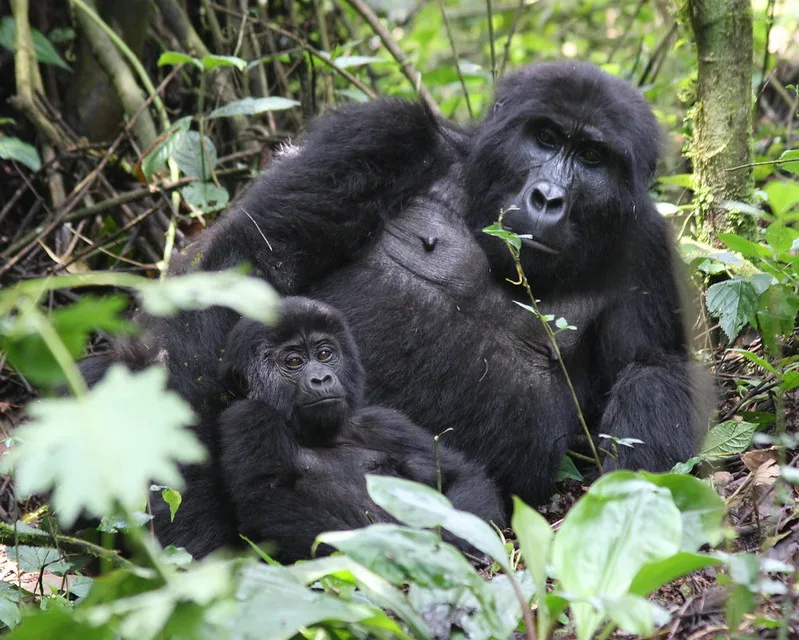
Sir David Attenborough traveled to the Virunga Mountains with the intention of filming a segment on the “opposable thumb.” However, nature had other plans. While lying in the foliage, a young gorilla named Poppy and a juvenile named Pablo approached him.
Instead of the terrifying beasts depicted in fiction, the world saw:
Playfulness: Poppy famously tried to untie Attenborough’s shoelaces.
Gentleness: The gorillas groomed him and leaned against him with complete trust.
Connection: Attenborough’s whisper to the camera—”There is more meaning and mutual understanding in exchanging a glance with a gorilla than any other animal I know”—became one of the most famous quotes in natural history.
The Bittersweet Reality
While the footage was heartwarming, Attenborough later admitted the experience was “tinged with sadness.” He truly believed he might be among the last humans to ever film these creatures. This fear fueled his lifelong commitment to their protection, leading him to help establish the International Gorilla Conservation Programme (IGCP).
Why David Attenborough’s Experience Matters Today in Gorilla Conservation.
The impact of David Attenborough on mountain gorillas cannot be overstated. Before this broadcast, gorillas were often viewed as trophies for hunters or monsters to be feared. Attenborough humanized them, showing the world that they are family-oriented, highly intelligent, and incredibly vulnerable.
From 250 to Over 1,000 Mountain Gorillas.
Because of the awareness raised by that 1979 film, conservation efforts skyrocketed. Governments in Uganda, Rwanda, and the DRC realized that these primates were worth more alive than dead. Today, thanks to “extreme conservation” and regulated tourism, the population has bounced back to over 1,063 individuals.
The Birth of Sustainable Gorilla Tourism
The encounter paved the way for the trekking model we use today at Katland Safaris. We follow the strict guidelines inspired by early researchers like Dian Fossey and popularized by Attenborough:
Strict Time Limits: To prevent stress, visitors spend only one hour with the gorillas.
Health Protocols: To prevent the spread of human diseases (to which gorillas have no immunity).
Community Reinvestment: A portion of every permit fee goes back to the local communities to ensure they benefit from protecting the forest.
Walking in the Great Footsteps of David Attenborough: Trekking Mountain Gorillas with Katland Safaris
If you have ever watched that grainy 1979 footage and dreamed of having your own “Attenborough moment,” Katland Safaris is here to make that a reality. While we can’t promise a gorilla will untie your shoes (we actually encourage keeping a respectful distance!), the emotional connection remains just as powerful.
Where to See Mountain Gorillas in East Africa
While David Attenborough’s original encounter was in Rwanda’s Volcanoes National Park, the same mountain gorilla families roam the transboundary region that includes Uganda’s Bwindi Impenetrable National Park and Mgahinga Gorilla National Park.
Gorilla Trekking in Uganda: The Bwindi Experience
Bwindi is home to roughly half of the world’s remaining mountain gorillas. Trekking here offers:
Ancient Biodiversity: A UNESCO World Heritage site that has existed for over 25,000 years.
Multiple Sectors: From Buhoma to Rushaga, we customize your trek based on your fitness level and interests.
Gorilla trekking in Rwanda: The Classic Virunga Trek
For those who want to visit the exact slopes where Attenborough filmed, Rwanda offers a luxury experience with stunning views of the volcanic peaks.
What to Expect on Your Gorilla Trek
Many of our guests ask if the trek is as difficult as it looks on TV. The answer? It’s an adventure, but one that is accessible to most.
The Preparation for Gorilla Trekking.
A typical day starts early at the park headquarters with a briefing from the Uganda Wildlife Authority (UWA) or Rwanda Development Board (RDB) rangers. You’ll be assigned a gorilla family based on the rangers’ morning scouting reports.
The Mountain Gorilla Hike
The terrain can be steep and muddy—after all, they are mountain gorillas. However, the pace is set by the slowest member of the group. At Katland Safaris, we provide:
Expert Guides: Local experts who know the forest like the back of their hand.
Porter Services: We highly recommend hiring a porter to help with your bag; it also provides vital income for local families.
The Golden Hour with Mountain Gorillas.
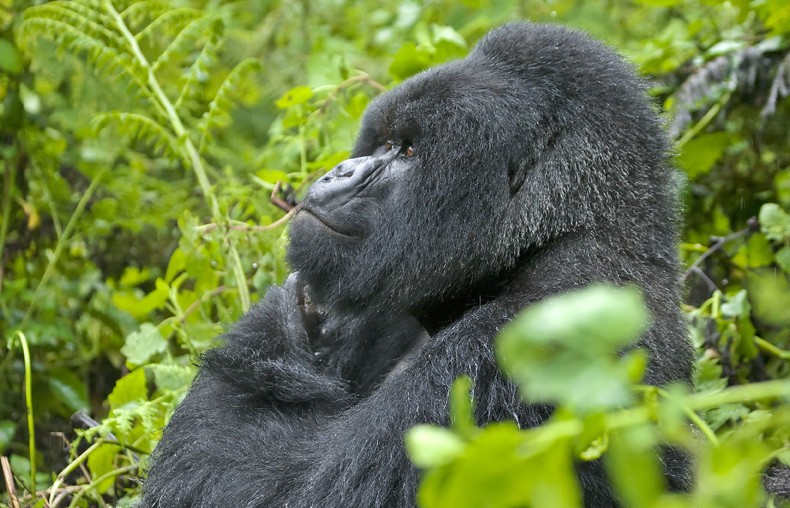
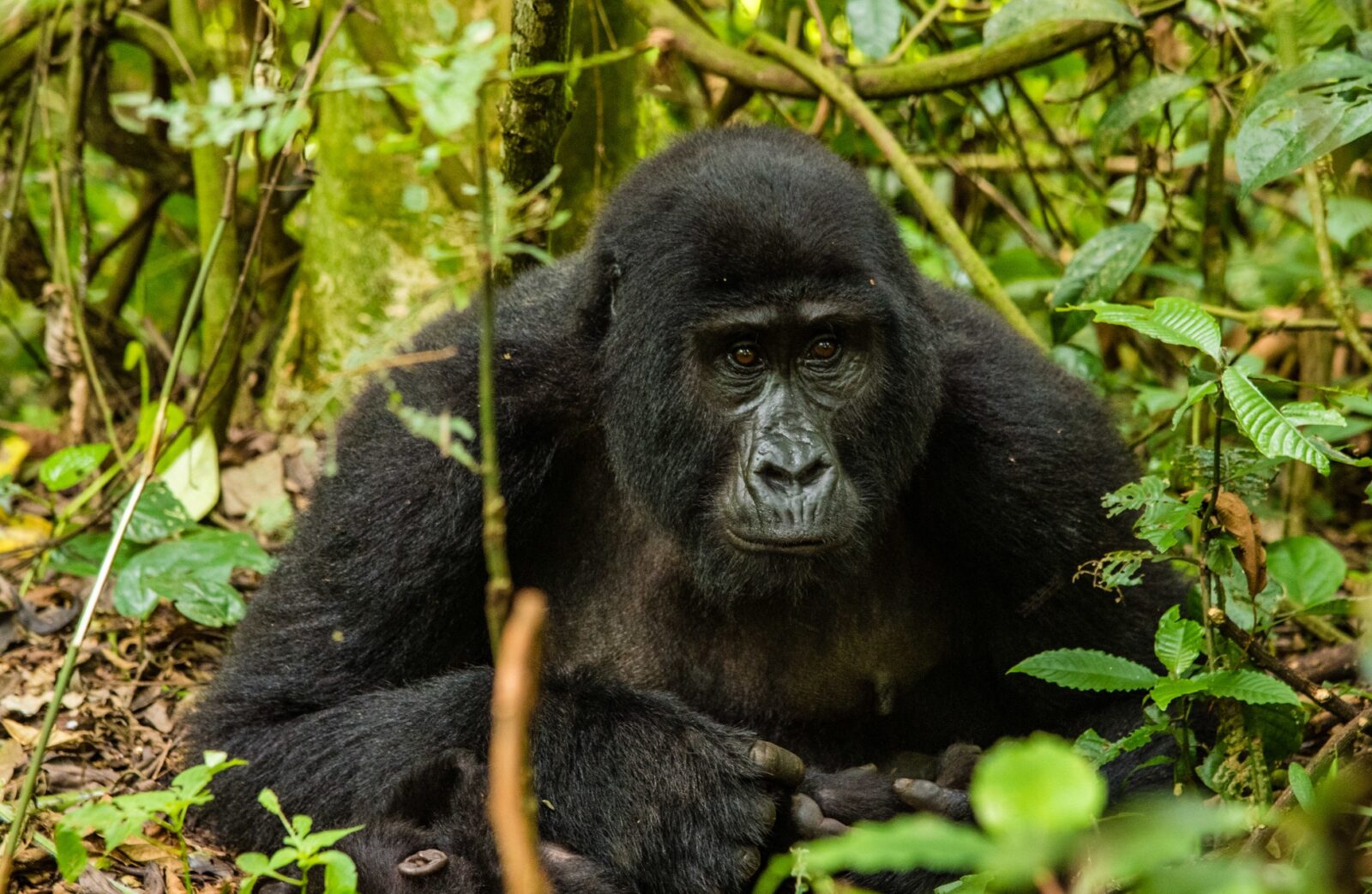
When you finally find the family, the forest seems to go silent. Seeing a 400-pound Silverback watch over his family is a humbling experience. Just as David Attenborough noted, the “mutual understanding” in their eyes is something that stays with you forever.
Gorilla Conservation and Your Contribution
When you book a safari to see mountain gorillas with Katland Safaris, you aren’t just a tourist; you are a conservationist.
Where Your Money for the Gorilla Permit Goes
Anti-Poaching: Funding for rangers to remove snares and protect the forest borders.
Veterinary Care: Supporting the “Gorilla Doctors” who provide life-saving medical interventions.
Community Development: Building schools and clinics, ensuring that the people living next to the park are the gorillas’ biggest defenders.
The rising numbers of mountain gorillas show that the work of rangers, communities, and governments is paying off,” Attenborough recently remarked. By visiting, you are a part of that success story.
Frequently Asked Questions (FAQs) about gorilla trekking:
Is gorilla trekking safe?
Yes. The gorilla families you visit are “habituated,” meaning they have been gradually accustomed to human presence over several years. Rangers are armed and highly trained to ensure the safety of both humans and animals.
What is the best time to go gorilla trekking?
The dry seasons (June to August and December to February) are best for trekking as the trails are less slippery. However, Katland Safaris operates year-round, and the lush “green season” offers incredible photography opportunities.
How much does a Gorilla permit cost?
As of 2026, a gorilla permit in Uganda is $800, while in Rwanda, it is $1,500. These permits must be booked well in advance through a registered operator like Katland Safaris.
In Conclusion, the story of David Attenborough on mountain gorillas is a rare “good news” story for the planet. It proves that when we choose to value nature, we can pull species back from the very edge of extinction.
At Katland Safaris, we invite you to experience this magic for yourself. Whether you are looking for a 3-day short trek or a 14-day grand primate safari across Uganda, our team is dedicated to providing an authentic, responsible, and life-changing journey.
Are you ready to look into the eyes of a mountain gorilla? Contact Katland Safaris today.