Are mountain gorillas still endangered? The current conservation status of Moutain Gorillas

Are mountain gorillas still endangered? The current conservation status of the Gentle Giants.
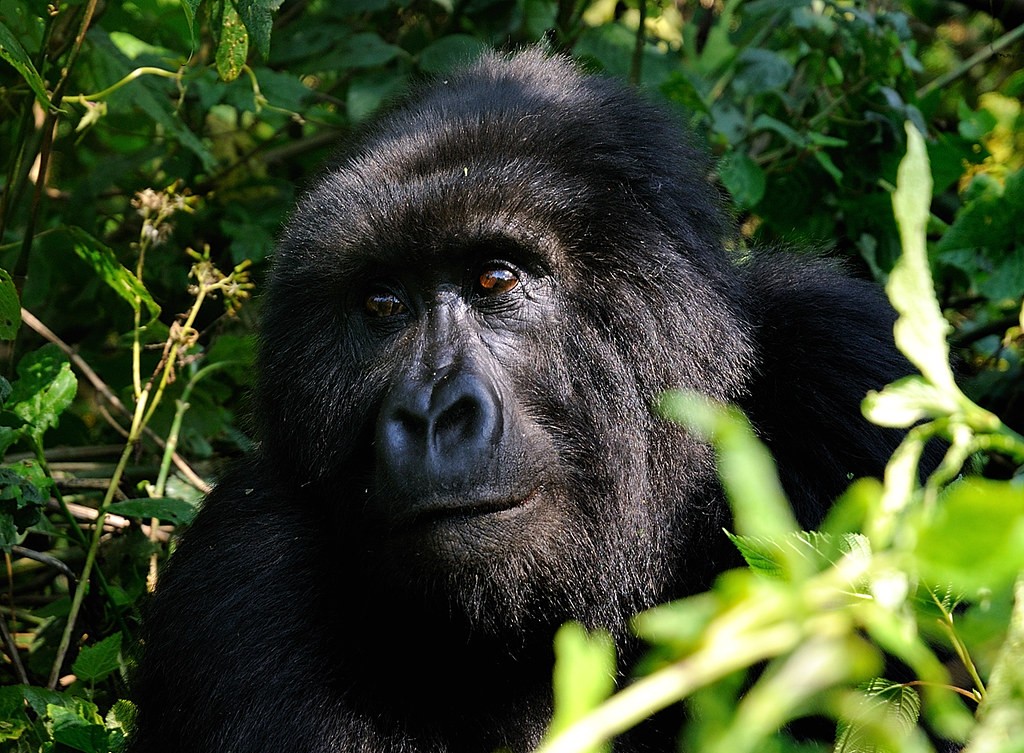
Are mountain gorillas still endangered? Think of the mist-shrouded peaks of the Virunga Volcanoes or the ancient, impenetrable soul of Bwindi. Imagine peering through dense foliage to lock eyes with a creature so like us, yet so profoundly different. To encounter a mountain gorilla in its natural habitat is, by all accounts, a life-altering experience.
But for decades, this experience has been haunted by a sobering question: will these magnificent creatures be around for our children, and their children, to see?
For years, the mountain gorilla was synonymous with the extinction crisis. Their numbers plummeted due to poaching, habitat loss, and civil unrest, pushing them to the very brink. But the story of the mountain gorilla is not just one of tragedy; it’s also one of the most remarkable success stories in modern conservation.
So, where do they stand today? What is the current mountain gorilla conservation status? Let’s dive deep into the data, the challenges, and the hopeful progress of these gentle giants.
Are mountain gorillas still endangered? : The Historical Context of Mountain Gorilla Conservation
To appreciate where mountain gorillas are today, we must first understand the perilous path they have walked. In the early 20th century, mountain gorillas were largely unknown to the Western world, living in isolation in the high-altitude forests of the Albertine Rift.
The Dian Fossey Era and the Call for Help to Save Mountain Gorillas:-
The 1960s and 70s were dark decades for these primates. Habitat encroachment by growing human populations and rampant poaching—not just for the gorillas themselves, but for other animals that gorillas often got caught in the crossfire of (like antelope snares)—devastated their populations.
It was legendary primatologist Dian Fossey whose pioneering work and passionate, if often controversial, advocacy brought their plight to the world’s stage. She established the Karisoke Research Center in Rwanda and lived among the gorillas, documenting their social structures and the grave threats they faced. Fossey famously predicted their extinction by the end of the 20th century if urgent action wasn’t taken. Her work was instrumental in raising global awareness and a catalyst for the conservation movement that would eventually turn the tide.
Are mountain gorillas still endangered? : The Lowest Point of Gorilla Conservation in Africa
By the 1980s, the situation was dire. The total population of mountain gorillas was estimated to be just around 250 individuals. They were critically endangered, and their future was hanging by a thread. The combination of habitat loss, political instability in the region, and poaching seemed insurmountable. It was this desperate situation that sparked a major international mobilization of resources and expertise.
Turning the Tide: A Conservation Victory Story, answering the question Are mountain gorillas still endangered?
This is where the narrative shifts from one of despair to one of profound hope. Over the last four decades, an intensive, coordinated, and collaborative effort between governments, conservation organizations, local communities, and scientists has achieved what many thought impossible.
Intense, Hands-On Conservation and ‘Extreme Conservation’ of Mountain gorillas.
The success of mountain gorilla conservation is largely attributed to what is known as “extreme conservation.” This approach involves hands-on management and significant, consistent investment. It includes:
24/7 Anti-Poaching Patrols: Rangers constantly roam the national parks, removing snares and deterring poachers.
Park Boundary Enforcement: Clearly defined and protected boundaries separate the gorilla habitat from surrounding human settlements.
Daily Monitoring: Trained trackers and researchers follow the gorilla families, monitoring their health, social dynamics, and location.
Veterinary Care: The “Gorilla Doctors” are a dedicated team of veterinarians who provide medical intervention to injured or ill gorillas in the wild. This is a unique and critical component of their survival strategy.
Community Engagement and Benefit Sharing: Crucially, local communities living around the parks are involved in and benefit from gorilla conservation, primarily through tourism revenue sharing. This transforms potential human-wildlife conflict into a cooperative relationship.
The Results: A Remarkable Recovery
The impact of these efforts has been nothing short of miraculous. The mountain gorilla population has been on a slow but steady upward trajectory for over 30 years.
2003: The population was estimated at 380.
2010: The number grew to an estimated 480.
2018: A landmark census in the Virunga Massif (which includes Volcanoes National Park in Rwanda, Mgahinga Gorilla National Park in Uganda, and Virunga National Park in the Democratic Republic of Congo) plus results from a separate census in Bwindi Impenetrable National Park in Uganda brought the total estimated population to over 1,000 individuals.
This was a truly momentous occasion in conservation history, marking one of the rare instances where a critically endangered species saw its numbers more than double through dedicated conservation efforts.
The Current Mountain Gorilla Conservation | Are mountain gorillas still endangered?
So, what is the official verdict on the mountain gorilla conservation status today?
In 2018, based on the promising census results, the International Union for Conservation of Nature (IUCN) made a historic announcement: The mountain gorilla’s status was downgraded from Critically Endangered to Endangered.
This reclassification, while seemingly small, was a massive symbolic and practical victory. It was a formal acknowledgment that the tireless work of decades was succeeding.
Understanding the IUCN Red List of Threatened Species
The IUCN Red List is the global authority on the status of the natural world and the measures needed to safeguard it. It classifies species into seven main categories, ranging from “Least Concern” to “Extinct.”
- Extinct: No individuals of the species remain.
- Extinct in the Wild: The species survives only in captivity.
- Critically Endangered: Facing an extremely high risk of extinction in the wild. (This was the mountain gorilla’s status for decades)
- Endangered: Facing a very high risk of extinction in the wild. (This is their current status).
- Vulnerable: Facing a high risk of extinction in the wild.
- Near Threatened: Likely to become threatened with extinction in the near future.
- Least Concern: A species at low risk of extinction.
Moving from “Critically Endangered” to “Endangered” means that while the species is still at a very high risk, the immediate, existential threat of extinction has, for the time being, been mitigated. It is a testament to the success of “extreme conservation.”
Why They Are Still “Endangered”
It’s crucial to understand that “Endangered” still means they are at very high risk. Their population is still relatively small, and their habitat is a fragile island surrounded by a growing human population. They are not out of the woods yet. The “Endangered” classification ensures that conservation efforts remain intense and resources continue to be allocated to their protection. To lose vigilance now would be a catastrophic mistake.
Persistent Challenges: What Still Threatens Mountain Gorillas?
Despite their incredible recovery, mountain gorillas still face significant and serious threats that keep their conservation status at “Endangered.” These challenges highlight the ongoing need for dedicated protection.
Habitat Loss and Degradation: The Looming Crisis
The single greatest long-term threat to the mountain gorilla is the loss and degradation of their habitat. The forests they call home are surrounded by some of the most densely populated rural areas in Africa. As human populations grow, the demand for land for agriculture, firewood, and other resources increases, putting constant pressure on the edges of the national parks. The gorilla’s habitat is essentially a genetic island, and its fragmentation could have dire long – term consequences.
Disease Transmission: A Critical and Constant Fear
Because mountain gorillas and humans share about 98% of our DNA, we are susceptible to many of the same diseases. A simple human cold or flu, which might be mild for us, could be catastrophic for a gorilla, whose immune system has not been exposed to the same array of pathogens. This makes them extremely vulnerable to disease transmission from researchers, rangers, local communities, and, yes, tourists. This risk is why strict health protocols are in place for gorilla trekking.
Climate Change: An Unpredictable Threat to Mountain Gorillas
While the exact impacts are difficult to predict, climate change poses a significant long-term threat. Changes in temperature and rainfall patterns could alter the composition and distribution of the vegetation the gorillas depend on for food and shelter. It could also shift their range, potentially pushing them outside of current protected areas or into conflict with other gorilla groups or human populations.
Poaching and Snaring: A Persistent Menace
While direct targeting of mountain gorillas for the illegal wildlife trade has decreased significantly, they still fall victim to snares set for other animals, such as antelope or wild pigs. These snares are often made of wire and can cause horrific injuries, amputations, or death by infection. The constant presence of anti-poaching patrols is necessary to minimize this risk.
Political Instability and Civil Unrest mainly in Congo.
The Virunga Massif spans three countries—Rwanda, Uganda, and the Democratic Republic of Congo (DRC). The DRC, in particular, has experienced long periods of political instability and armed conflict. This creates a dangerous environment for both gorillas and the rangers who protect them, sometimes making entire areas inaccessible for monitoring and anti-poaching efforts.
The Power of Sustainable Tourism in the Conservation of Mountain Gorillas.
The story of the mountain gorilla’s recovery is inextricably linked with the rise of sustainable gorilla tourism. Far from being a hindrance, responsible tourism has been a major engine driving their conservation.
Financial Sustainability and Economic Incentive
Gorilla trekking permits are expensive. In Rwanda, they currently cost $1,500 per person; in Uganda, they are $700; and in the DRC, they are $400. This revenue is the lifeblood of gorilla conservation. It funds:
- Ranger salaries and equipment
- Anti-poaching patrols
- The work of conservation NGOs and veterinary teams
- Habitat protection and park infrastructure
This revenue transforms a gorilla’s life from being seen as a potential source of food (poaching) or a competitor for land (habitat encroachment) into a highly valuable economic asset, both for national governments and for local communities.
Community Benefit-Sharing: A Model for Conservation
A significant portion of the revenue generated from gorilla permits is reinvested back into the communities living around the national parks. This funding supports the development of crucial infrastructure, such as:
- Schools and educational programs
- Health clinics and clean water access
- Infrastructure like roads
- Funding for micro-enterprises and sustainable agriculture projects
This direct link between gorilla conservation and improved community well-being is fundamental. When local people benefit directly from the presence of gorillas, they are far more likely to support conservation efforts and tolerate the occasional challenges of living next to a wild habitat. This has been a key reason for the success of the model.
Responsible Gorilla Trekking: Ensuring a Positive Impact to see Mountain gorillas
As a potential visitor, to see mountain gorillas your role is pivotal. Choosing to go on a gorilla trek makes you a direct, active contributor to their conservation. However, your visit must be done responsibly to ensure that your presence is a help, not a hindrance.
Following Strict Rules and Regulations of Gorilla Trekking:-
Strict protocols are in place to minimize the human impact on the gorillas. These rules are non-negotiable and designed for the gorillas’ safety:
- Limited Group Size: Only a small number of permits (usually 8-10) are issued for each gorilla family per day.
- Restricted Viewing Time: You are only allowed to spend one precious hour with the gorillas. This minimizes disruption to their natural behavior.
- Distance is Key: You must maintain a distance of at least 7 meters (about 23 feet) from the gorillas at all times. This rule is often challenging to follow as the gorillas are curious, but it is critical to respect their space and prevent disease transmission.
- The Health Rule is Absolute: If you are sick (even with a minor cold), you must not trek. This is perhaps the single most important rule to prevent a catastrophic disease outbreak. Your operator will typically help you reschedule or refund your permit in this case.
- No Food or Drink: Eating, drinking, or smoking near the gorillas is strictly prohibited.
- Whisper and Move Slowly: Keep your voice low and avoid any sudden movements or loud noises that could stress or provoke the gorillas.
- Take Nothing but Pictures, Leave Nothing but Footprints: This is a classic mantra for a reason. Respect the environment.
Choosing an Ethical Safari Operator like Katland Safaris
This is where your choice makes a tangible difference. A responsible and ethical safari operator, like Katland Safaris, will:
- Prioritize the gorillas’ welfare above all else.
- Ensure their guides and trackers are trained in the highest standards of gorilla conservation and interpretation.
- Strictly enforce all habituation rules.
- Actively support local conservation initiatives and community development projects.
- Be transparent about where your money goes and how it contributes to the cause.
The Path Forward: Hope, Vigilance, and a Collective Effort to Save Mountain Gorillas
The mountain gorilla conservation status is a beacon of hope, but it’s a fragile one. The downgrade from “Critically Endangered” to “Endangered” is an incredibly encouraging sign that the work is having a real impact. It proves that with enough will, resources, and collaboration, we can save a species from the very edge of extinction.
However, the job is not done. The current status is not a signal to relax, but a mandate to continue. Habitat pressure, disease risk, and political instability remain constant threats. The mountain gorilla population is still small, making it vulnerable to any new catastrophic event.
The future of mountain gorillas is, quite literally, in our hands. It depends on the continued dedication of the rangers who risk their lives, the scientists who study them, the governments that protect them, the communities that coexist with them, and people like you—passionate travelers whose visits provide the crucial resources to keep this conservation miracle alive.
Are mountain gorillas still endangered? Choosing to visit the mountain gorillas is more than a holiday; it’s an act of participation in one of the world’s greatest conservation stories. It’s an investment in the existence of these incredible beings and in the communities that protect them. When you lock eyes with a mountain gorilla, you aren’t just seeing a magnificent animal; you are seeing a fragile success story that we have a collective responsibility to uphold.
Let’s ensure that “Endangered” is just one more step on their journey back to a world where they can truly thrive once again.
Contact us to book a gorilla trekking safari to Uganda and Rwanda, and physically answer the question “Are mountain gorillas still endangered?