
Conservation efforts for mountain gorillas: path to recovery
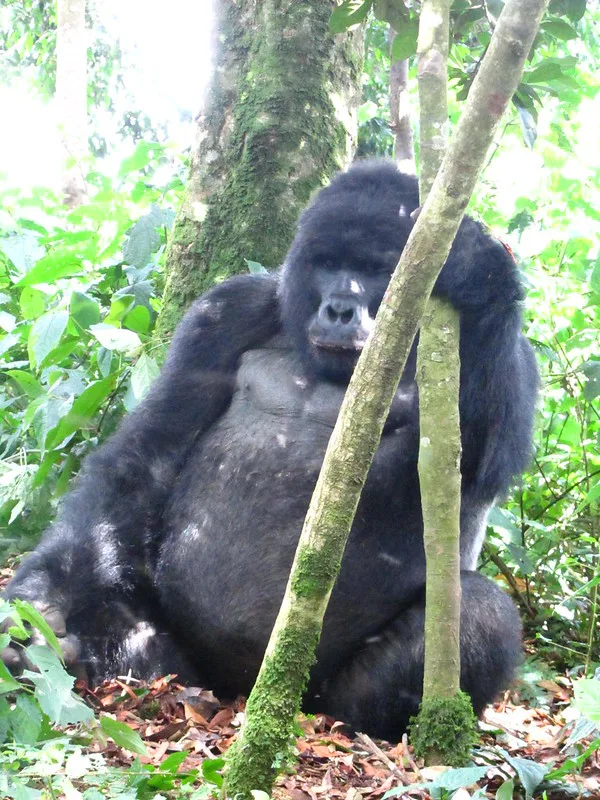
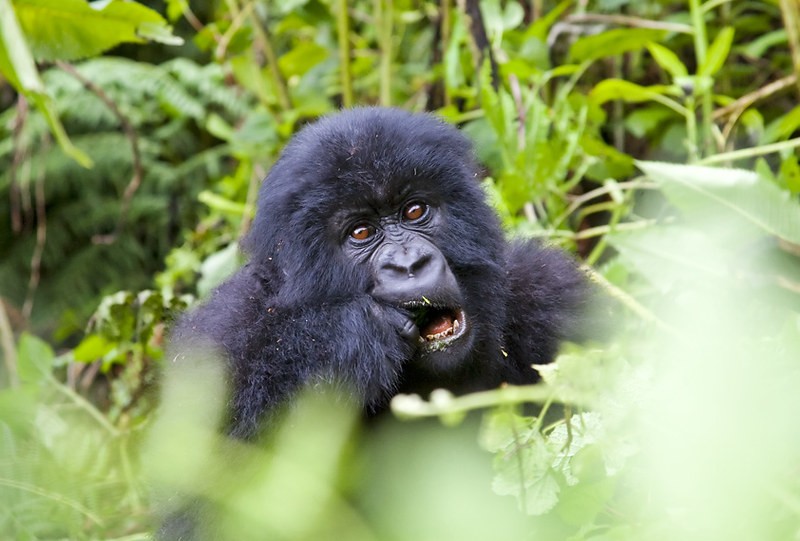
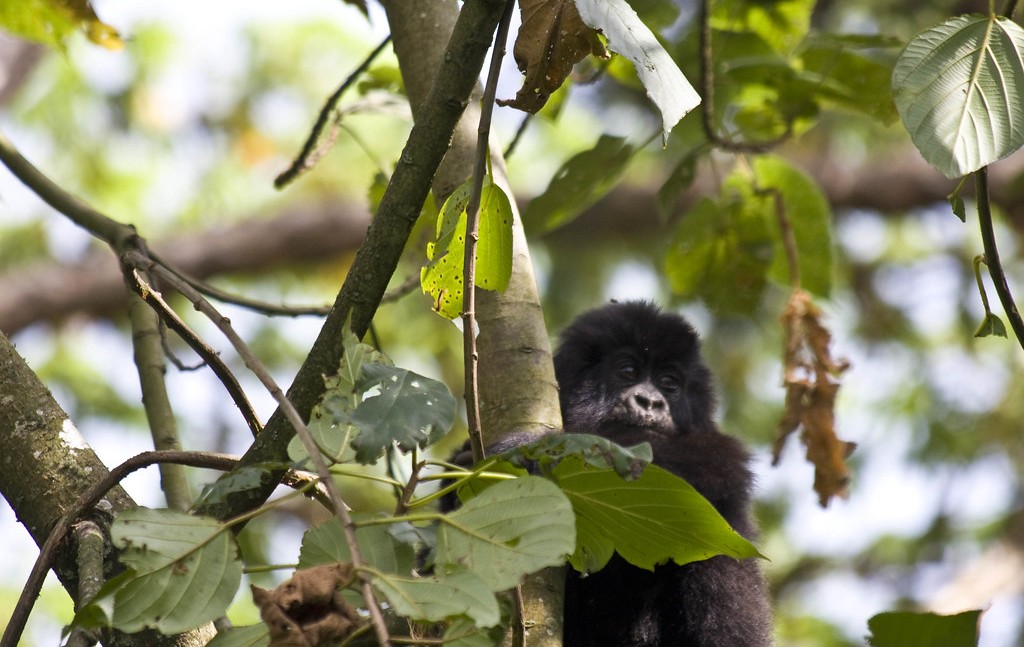
Conservation efforts for mountain gorillas. Mountain gorillas stand out as a symbol of both the beauty and vulnerability of our planet’s wildlife. Inhabiting the montane and Virunga volcanoes forests of East Africa, these magnificent primates and giants have captured the hearts and minds of people worldwide. Their complex social structures, surprising gentleness, and undeniable intelligence have made them a subject of intense scientific study and a cornerstone of tourism in the region.
However, the story of the mountain gorilla is not just one of awe and admiration; it is also a story of a species that was pushed to the brink of extinction and the remarkable efforts that have given them a chance at a brighter future. This blog post explores the critical importance of conservation efforts for mountain gorillas, the challenges they face, and the inspiring progress made to secure their survival.
Understanding the Threats Passed to Mountain Gorillas
To appreciate the significance of conservation efforts for mountain gorillas, we must first understand the factors that led to their dramatic decline. Throughout the 20th century, these primates faced a barrage of threats, primarily among them being:
Habitat Loss and Fragmentation
The growing human population in the regions surrounding the mountain gorilla’s habitat has led to increasing pressure on the forests. Agriculture, settlements, and infrastructure development have all chipped away at the available space, forcing the gorillas into smaller and more isolated areas. This habitat loss not only reduces the resources available to the gorillas but also increases the risk of inbreeding and other genetic issues.
Poaching
Mountain gorillas have been targeted by poachers for various reasons, including their meat (which is considered a delicacy in some cultures), their capture for illegal trade, and sometimes in retaliation for conflicts with humans (such as crop-raiding). The impact of poaching is devastating, with entire families of gorillas sometimes wiped out.
Disease
Mountain gorillas share a significant portion of their DNA with humans, which makes them highly susceptible to human diseases. Simple respiratory infections or common childhood illnesses can prove fatal to gorillas. The increase in human activity in and around their habitat, including tourism, has heightened the risk of disease transmission.
Civil Unrest in East Africa
The Virunga Volcanoes, a primary habitat for mountain gorillas, span across the borders of Rwanda, Uganda, and the Democratic Republic of Congo (DRC). This region has unfortunately been plagued by civil unrest and armed conflict, which has hampered conservation efforts, put rangers at risk, and led to the displacement of both humans and animals.
The Early Days of Conservation
The plight of the mountain gorilla did not go unnoticed. In the mid-20th century, pioneering primatologists and conservationists began to call attention to the species’ precarious situation. Figures like Dian Fossey, who spent years living among and studying the gorillas, brought their story to a global audience. Her work, though not without controversy, highlighted the need for urgent action and paved the way for more organized conservation efforts for mountain gorillas.
Turning the Tide: The Impact of Conservation
The dedicated work of numerous organizations, government agencies, and local communities has resulted in one of the most remarkable conservation success stories of our time. While the mountain gorilla is still listed as endangered, its population has steadily increased over the past few decades. This progress can be attributed to a combination of innovative and tireless efforts, including:
Habitat Protection and Management
Creating protected areas, such as national parks, has been a cornerstone of conservation efforts for mountain gorillas. These parks, like Volcanoes National Park in Rwanda and Bwindi Impenetrable National Park in Uganda, provide a safe haven for the gorillas and are actively patrolled by rangers.
Anti-Poaching Patrols and Intelligence
Ranger patrols are essential for deterring poachers and removing snares that are intended for other animals but often kill gorillas. These rangers also collect valuable data on gorilla populations and behavior, which informs conservation strategies. Furthermore, intelligence networks have been established to track and apprehend individuals involved in illegal wildlife trade.
Community Engagement and Livelihoods
Recognizing that conservation must benefit local communities, many initiatives focus on creating alternative livelihoods for people living around gorilla habitats. This includes tourism development, which generates income for the communities and provides an economic incentive to protect the gorillas. Additionally, education and awareness programs help foster a sense of stewardship among local people.
Veterinary Care and Disease Prevention
Dedicated veterinary teams provide medical care to mountain gorillas, addressing both natural and human-related health issues. This includes administering vaccinations, treating injuries, and implementing protocols to reduce the risk of disease transmission between humans and gorillas.
Scientific Research and Monitoring
Ongoing research is vital for understanding mountain gorilla biology, behavior, and the factors that influence their survival. This data helps conservationists make informed decisions about how to best protect the species. Long-term monitoring of gorilla populations allows for the assessment of conservation effectiveness.
Tourism: A Vital Source of Funding for Gorilla Conservation
One of the most significant and often debated aspects of conservation efforts for mountain gorillas is tourism. Well-managed gorilla trekking experiences have become a primary source of funding for conservation programs. The income generated from permit fees and other tourism-related services provides the financial resources needed for ranger patrols, veterinary care, and community development initiatives. When managed carefully, tourism can also create a powerful incentive for governments and local communities to protect the gorillas. However, it is essential to strike a balance between tourism and conservation, ensuring that visitor numbers and behaviors do not negatively impact the gorillas or their habitat.
The Challenges Ahead: Ensuring Long-Term Survival of Mountain Gorillas
Despite the impressive progress, mountain gorillas are not yet out of the woods. The road to their long-term survival is still full of challenges, including:
Sustaining Funding
Conservation efforts for mountain gorillas require consistent and significant financial resources. Securing long-term funding from various sources, including governments, international donors, and tourism revenue, is essential for maintaining the programs that have been so effective.
Managing Population Growth
As the gorilla population increases, there is a growing need to ensure that their habitat can support them. This may involve expanding protected areas, creating corridors between isolated populations, and managing conflicts with human communities.
Mitigating Climate Change
Climate change is already impacting mountain gorilla habitats, affecting the availability of food and water. This threat requires a proactive approach, including the implementation of climate change adaptation strategies and the protection of crucial habitats.
Navigating Political Instability
The ongoing political instability in some regions inhabited by mountain gorillas poses a significant challenge. This requires a strong commitment to transboundary cooperation and the development of strategies that can function even in volatile environments.
Addressing Emerging Diseases
The risk of disease transmission remains a significant concern, especially with the emergence of new diseases. This requires a robust surveillance and response system, as well as ongoing research into the health of both gorillas and human populations.
The Role of Katland Safaris in Gorilla Conservation
Katland Safaris, a leading safari operator in East Africa, is deeply committed to supporting conservation efforts for mountain gorillas. We recognize that the survival of these magnificent creatures is crucial for the health of the entire ecosystem and the well-being of local communities. Our commitment is reflected in our:
Responsible Tourism Practices
We strictly adhere to ethical gorilla trekking guidelines, ensuring that our tours do not disturb the gorillas or their habitat. We also prioritize the safety and well-being of both our clients and the gorillas.
Support for Conservation Organizations
A portion of our profits goes towards supporting organizations that are directly involved in gorilla conservation. This funding helps to support ranger patrols, veterinary care, and community development initiatives.
Raising Awareness about Gorilla Tourism
We use our platform to educate our clients and the general public about the importance of gorilla conservation. We share stories and information about the challenges facing these primates and the incredible efforts that are being made to protect them.
In conclusion, the story of the mountain gorilla is a testament to the power of conservation. Through dedicated and collaborative efforts, we have been able to turn the tide against extinction and secure a future for these remarkable primates. However, the work is far from over. Ongoing support and innovative approaches are essential for addressing the emerging challenges and ensuring the long-term survival of mountain gorillas. By choosing to support responsible tourism operators like Katland Safaris, you can play a part in this crucial mission. Together, we can make a difference and ensure that future generations will continue to be awed by the beauty and resilience of the mountain gorilla.
Take Action Today
You can be part of the solution, and here are a few ways you can help support conservation efforts for mountain gorillas:
Support Responsible Gorilla Trekking: Choose a safari operator that prioritizes conservation and ethical practices.
Donate to Conservation Organizations: Research organizations like the International Gorilla Conservation Programme (IGCP) or the Gorilla Doctors, and consider making a donation.
Raise Awareness: Share this blog post and other information about gorilla conservation with your friends and family.
Be a Conscious Consumer: Support businesses that promote sustainability and ethical practices.
Together, we can ensure that the mountain gorilla continues to thrive in its natural habitat for generations to come.
Contact us at any time of the day to book a gorilla trekking safari to Uganda so you can be part of the conservation efforts for Mountain gorillas.