Is Gorilla Trekking in Uganda and Rwanda Worth the Cost? The Ultimate 2026 Guide

The Ultimate Guide to Gorilla Trekking in Uganda with Rwanda: Everything You Need to Know for Gorilla Trekking in 2026.
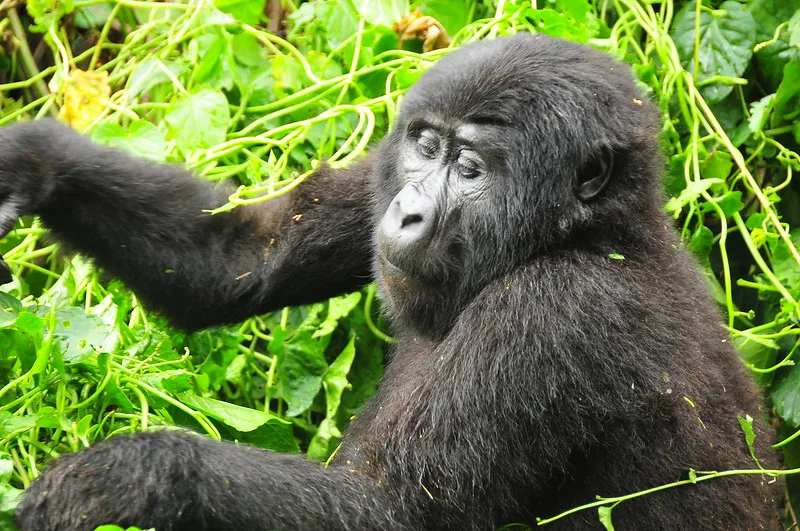
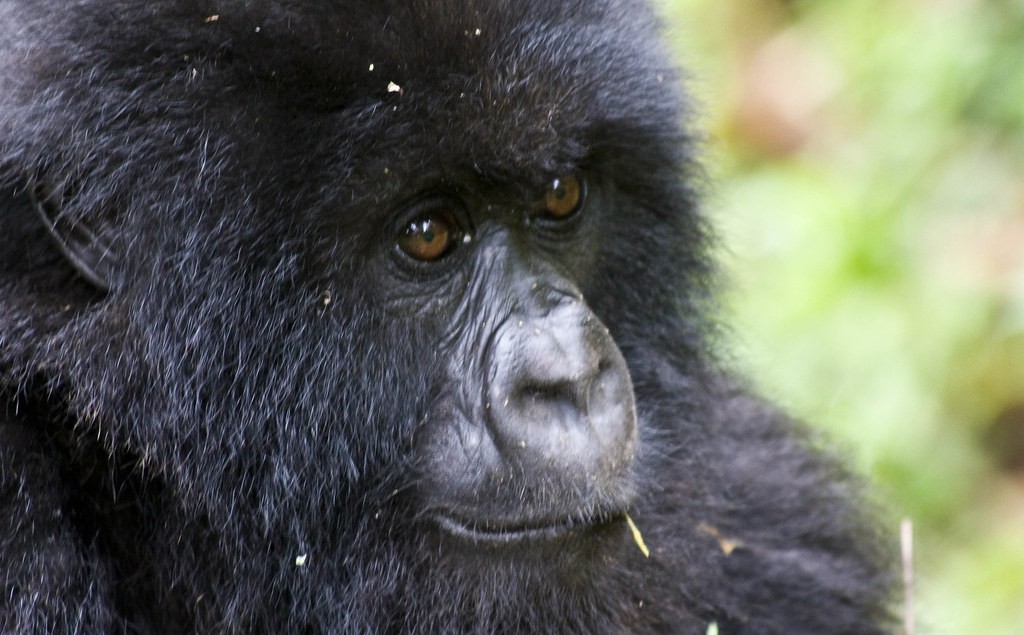
Gorilla trekking in Uganda with Rwanda. There is a profound, life-altering moment that occurs when you first lock eyes with a mountain gorilla. It isn’t just wildlife viewing; it’s a silent conversation with a distant relative. Deep in the mist-covered jungles of East Africa, the world slows down, the modern noise fades, and you are left with the gentle grunts and rustling leaves of a gorilla family at home.
For many, gorilla trekking in Uganda and Rwanda is the pinnacle of African travel. But with two distinct countries offering this experience, choosing where to go can be as challenging as the hike itself. At Katland Safaris, we’ve spent years navigating these emerald hills, and we’re here to help you decide which path leads to your perfect adventure.
Why Choose Gorilla Trekking in Uganda and Rwanda?
Both Uganda and Rwanda share the Virunga Massif—a volcanic range that serves as the last stronghold for the endangered mountain gorilla. While the species is the same, the experience of finding them differs significantly between the two nations.
Uganda: The Pearl of Africa’s Wild Heart
Uganda is home to more than half of the world’s remaining mountain gorilla population. Most of these reside in Bwindi Impenetrable National Park, a UNESCO World Heritage site that lives up to its name with ancient, dense foliage. Uganda offers a raw, authentic, and diverse safari experience that often appeals to the “adventure-first” traveler.
Rwanda: The Land of a Thousand Hills
Rwanda has positioned itself as a premier, high-end destination. Volcanoes National Park offers breathtaking views of dormant volcanoes and a more “curated” trekking experience. It is often favored by those with limited time or those seeking the pinnacle of African luxury lodging.
Comparing the Cost: 2026 Permit Prices and Beyond
One of the most frequent questions we receive at Katland Safaris is about the budget. In 2026, the price gap between the two countries remains the primary deciding factor for many travelers.
| Feature | Uganda (Bwindi/Mgahinga) | Rwanda (Volcanoes NP) |
| Permit Price (USD) | $800 | $1,500 |
| Trek Duration | 2 to 7 hours (Varies) | 2 to 5 hours (Generally shorter) |
| Terrain | Dense forest, steep ridges | Bamboo forests, open slopes |
| Luxury Level | Authentic, high-end eco-lodges | World-class, ultra-luxury brands |
The Uganda Advantage: Value and Time
In Uganda, your $800 permit allows for one hour with the gorillas. However, Uganda also offers the exclusive Gorilla Habituation Experience for $1,500. This allows you to spend four hours with a family in the company of researchers—an unbeatable value for photographers and primate enthusiasts.
Where to Go: Bwindi vs. Volcanoes National Park
Bwindi Impenetrable National Park (Uganda)
Bwindi is a true jungle. The trekking here can be more physically demanding because you are often “bushwhacking” through thick undergrowth.
- The Vibe: Remote, mystical, and deeply immersive.
- Logistics: Roughly 8–9 hours drive from Entebbe, or a short 1-hour internal flight. Alternatively, many Katland Safaris guests fly into Kigali and drive 4–5 hours across the border to Bwindi to save time.
Volcanoes National Park (Rwanda)
The trekking here takes place largely in bamboo forests, which are more open and often easier for photography.
- The Vibe: Polished, accessible, and cinematic.
- Logistics: A mere 2.5-hour drive from Kigali International Airport on smooth, paved roads. It’s perfect for those on a tight schedule.
When is the Best Time for Gorilla Trekking?
While you can visit the gorillas year-round, the weather plays a huge role in your comfort and the ease of the trek.
The Dry Seasons (Peak Times)
- June to September: The longest dry window. Trails are firmer, and the skies are clear. This is the busiest time, so permits must be booked at least 6 months in advance.
- December to February: The “short dry” season. Excellent for bird watching alongside your gorilla trek.
The Rainy Seasons (Low Season)
- March to May & October to November: Expect daily rain. While the trails are muddy, there are perks: the gorillas often stay at lower altitudes to feed on fresh bamboo shoots, meaning shorter treks. Some luxury lodges also offer reduced rates during these months.
What to Pack: Your Essential 2026 Gear List
Don’t let the “safari” label fool you—this isn’t a breezy drive through the savannah. You are heading into a rainforest.
- Footwear is Everything
You need waterproof hiking boots with good ankle support. Leave the sneakers at the lodge; the mud and steep slopes require serious grip.
- Protection from the Jungle
- Long-sleeved shirts and trousers: To protect against stinging nettles and insects.
- Gardening Gloves: You will often grab onto branches or vines for support; gloves protect your hands from thorns.
- Gaiters: These prevent ants and mud from entering your boots.
- Tech and Extras
- Camera (No Flash): Flash photography is strictly forbidden as it can agitate the gorillas.
- Rain Poncho: Even in the dry season, a sudden downpour is always a possibility in the tropics.
The Katland Safaris Difference: Why Trek With Us?
At Katland Safaris, we don’t just book permits; we curate memories. As a locally owned company, we have a deep-rooted passion for conservation and community.
Expert Local Guides
Our guides are the “Kings of the Jungle.” They don’t just find the gorillas; they interpret the forest for you. They’ll point out rare birds, explain the medicinal uses of plants, and ensure you are positioned for the best possible photo when the silverback emerges.
Tailor-Made Itineraries
Want to combine your gorilla trek with chimpanzee tracking in Kibale or a boat safari on the Kazinga Channel? We specialize in seamless cross-border adventures that capture the best of both Uganda and Rwanda.
Frequently Asked Questions (FAQs)
Is gorilla trekking safe?
Absolutely. The gorilla families you visit are “habituated,” meaning they are accustomed to human presence. Additionally, you are always accompanied by armed park rangers and expert trackers.
How fit do I need to be?
You should be in reasonable physical condition. Treks can range from a gentle 1-hour walk to a strenuous 6-hour hike. At Katland Safaris, we work with the park wardens to ensure you are assigned a gorilla family that matches your fitness level.
Can I see gorillas in both countries on one trip?
Yes! Many of our clients opt for a “Double Trek”—one in Rwanda for the ease of photography and one in Uganda for the deep-forest experience. It is the ultimate way to compare the two.
Final Thoughts: A Journey of a Lifetime
Whether you choose the mist-shrouded ridges of Bwindi or the volcanic slopes of Rwanda, gorilla trekking in Uganda and Rwanda is an experience that stays with you long after the mud has been washed off your boots. It is a contribution to the survival of a species and a testament to the beauty of the natural world.
Ready to start your adventure?
At Katland Safaris, we handle all the logistics—from permit acquisition to luxury transport—so you can focus on the magic of the moment.
Would you like me to send you our exclusive 2026 Gorilla Trekking itinerary and a custom quote for your group? Contact Katland Safaris Today to begin planning your dream safari.