
How Hard is Gorilla Trekking in Uganda? Everything You Need to Know
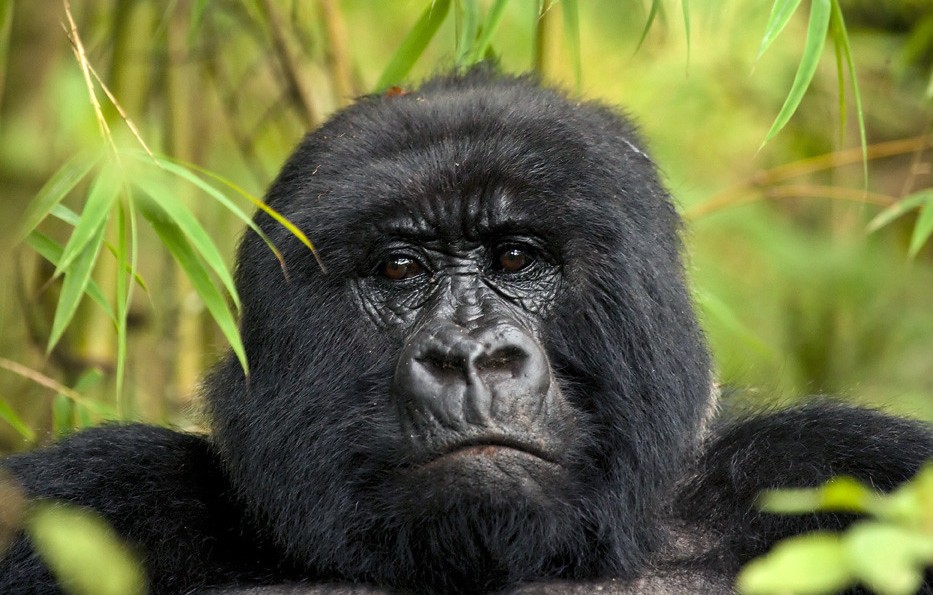
Standing just meters away from a 400-pound Silverback in the misty depths of an ancient rainforest is a bucket-list dream for many. However, before you lace up your boots, one question likely looms large: How hard is gorilla trekking in Uganda?
At Katland Safaris, we believe that adventure is for everyone, but being prepared makes the experience far more magical. Gorilla trekking is neither a casual stroll in the park nor an impossible mountain climb. It is a “moderate” physical challenge that requires stamina, the right gear, and a bit of mental grit.
In this guide, we break down the terrain, the altitude, and the fitness levels required so you can step into the Bwindi Impenetrable Forest with confidence.
Understanding the Terrain: Why Is It Called “Impenetrable”?
To understand the difficulty, you first have to understand the landscape. Uganda’s mountain gorillas live in two main locations: Bwindi Impenetrable National Park and Mgahinga Gorilla National Park.
The Dense Vegetation of Bwindi
Bwindi lives up to its name. There are no paved paths in the heart of the forest. Rangers often use machetes to clear a trail through thick vines, ferns, and giant bamboo. You will be stepping over slippery tree roots and navigating narrow ridges. The ground is often damp, even in the dry season, making the footing unpredictable.
The Volcanic Slopes of Mgahinga
While Mgahinga is smaller, it sits on the slopes of the Virunga Volcanoes. The trekking here is often shorter because the gorillas have less space to roam, but the inclines can be steeper. You are hiking on volcanic soil, which, while softer than the rocky parts of Bwindi, can be very muddy after a tropical downpour.
Factors That Determine Trekking Difficulty
No two gorilla treks are the same. One group of travelers might find their gorilla family in 45 minutes, while another might hike for seven hours. Here are the variables that dictate your experience.
- Gorilla Movement and Location
Gorillas are wild animals. They move daily to find fresh food and nesting sites. If the family you are assigned to decides to move deep into the valley the night before, your trek will be longer and harder.
- The Impact of Altitude
Both Bwindi and Mgahinga sit at high altitudes, ranging from 1,160m to over 2,600m (about 8,500 feet). For travelers coming from sea-level cities, the air is noticeably thinner. This means your lungs have to work harder, and you may find yourself catching your breath more often than usual on uphill climbs.
- Weather Conditions
The difficulty level jumps significantly during the rainy seasons (March to May and October to November). Rain makes the steep slopes incredibly slippery. Even in the dry season, a sudden afternoon shower is common in the rainforest.
Table: Quick Difficulty Comparison by Sector
| Sector (Bwindi) | Difficulty Level | Terrain Description |
| Buhoma | Lower / Moderate | Gentler slopes are often preferred for older trekkers. |
| Rushaga | Moderate | Varied terrain with some steep ridges. |
| Ruhija | High | Higher altitude and steeper climbs. |
| Nkuringo | Very High | Famous for its “tough” but rewarding steep descents and climbs. |
Fitness Requirements: Do You Need to Be an Athlete?
You do not need to be a marathon runner to see the gorillas. However, you should have a “moderate” level of fitness.
Cardiovascular Endurance
Can you walk for three to four hours on uneven ground? If the answer is yes, you are likely ready. The most challenging part isn’t the speed—it’s the duration. Improving your stamina by taking long walks or using a stair-climber at the gym before your trip will make the trek much more enjoyable.
Strength and Balance
Trekking involves a lot of “stepping up” over logs and “stepping down” into muddy hollows. Stronger leg muscles (quads and calves) will protect your knees. Balance is also key; the forest floor is rarely flat, so having a stable core helps prevent slips.
The Mental Game
Sometimes, the hardest part of the trek is the “unpredictability.” You might think you are close, only for the rangers to announce the gorillas have moved another kilometer. Staying positive and patient is just as important as your physical strength.
How to Make Your Gorilla Trek Easier
If you are worried about the physical demand, there are several “hacks” to reduce the strain and ensure you reach the gorillas comfortably.
Hire a Porter.
We highly recommend that every trekker hire a local porter. For a small fee (usually around $20), a porter will carry your backpack and, more importantly, give you a hand—literally—on the steep or slippery sections. Hiring a porter also directly supports the local community, providing an alternative income to poaching.
Use a Walking Stick
At the start of every trek, you will be offered a wooden walking stick. Take it. It acts as a “third leg” and provides vital stability when you are navigating downhill sections or crossing small forest streams.
Request a “Close” Family
During the morning briefing at the park headquarters, the rangers organize groups. If you have mobility issues or are concerned about your fitness, let your Katland Safaris guide know. They can speak with the rangers to try to assign you to a gorilla family that is known to stay closer to the trailhead.
Essential Gear to Pack for a Successful Hike
The right gear can turn a “hard” trek into a “manageable” one. If your feet are dry and your skin is protected, you can focus on the scenery rather than your discomfort.
Footwear is Everything
Invest in high-quality, waterproof hiking boots with good ankle support. Do not attempt this trek in sneakers; they lack the grip needed for mud and the support needed for uneven rocks.
Protect Your Limbs
The forest is full of “stinging nettles” and thorny vines. Wear:
- Long trousers (tucked into your socks to keep ants out).
- Long-sleeved shirts to prevent scratches.
- Gardening gloves. This sounds strange, but you will often need to grab onto branches or vines for balance. Gloves protect your hands from thorns and insects.
Stay Hydrated and Energized
Your lodge will provide a packed lunch, but make sure you carry at least 2 liters of water. Small, high-energy snacks like nuts, dried fruit, or chocolate are great for a quick boost during short breaks.
Is the Struggle Worth It?
When people ask, “How hard is gorilla trekking in Uganda?” they are usually asking if they can handle it. The answer for 95% of travelers is yes.
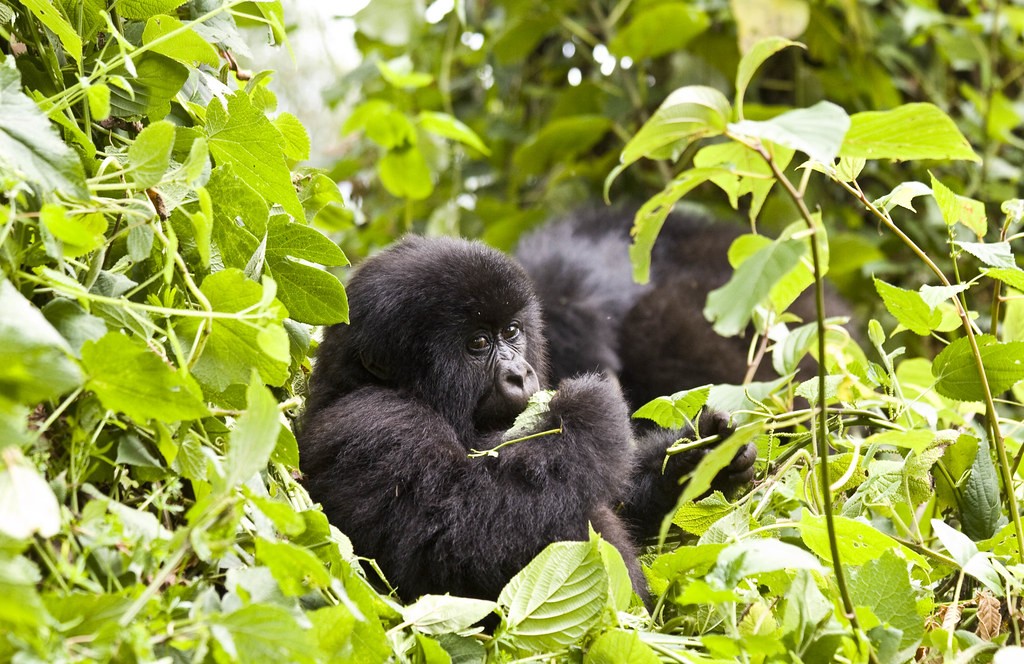
The moment you clear a final thicket of bamboo and see a mother gorilla grooming her infant, or a massive Silverback looking at you with soulful, intelligent eyes, the hours of hiking vanish from your mind. The physical effort makes the encounter feel earned. It is a profound, spiritual experience that words rarely do justice.
Ready to Meet the Giants?
Don’t let the fear of a hike keep you from the experience of a lifetime. At Katland Safaris, we specialize in tailoring gorilla adventures to your specific fitness level and comfort needs. From securing the best permits to providing expert local guides, we handle the logistics so you can focus on the magic.
Contact Katland Safaris today to book your Gorilla Trekking Adventure in Uganda