
Visiting Murchison Falls in the Dry Season – Booking a Trip to Murchison Falls National Park in Uganda
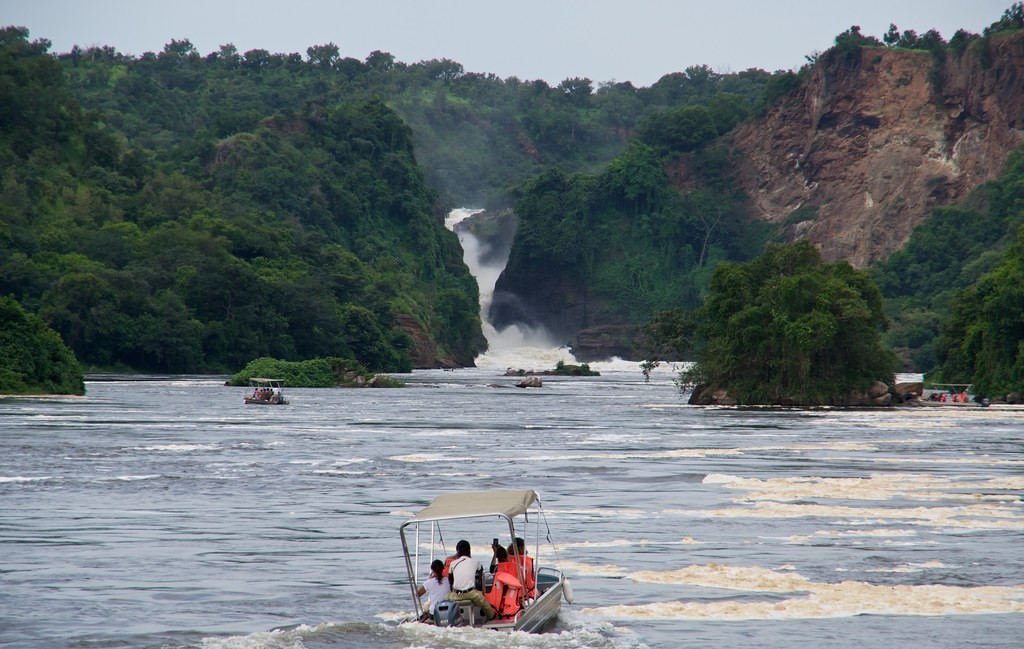
Visiting Murchison Falls in the Dry Season. Planning a safari to Murchison Falls National Park during the dry season, typically spanning June to September and December to February, offers one of the most rewarding wildlife experiences in Uganda. As the country’s largest and oldest national park, Murchison Falls is home to an impressive range of wildlife, including elephants, giraffes, lions, leopards, buffalo, antelope species, and hundreds of bird species. The park’s dramatic landscapes, from sweeping savannah plains to the thundering waterfall where the Nile River crashes through a narrow gorge, become even more striking under the bright, clear skies of the dry months.
The dry season is widely considered the best time for wildlife viewing because the vegetation thins out, water becomes scarce, and animals tend to gather around the Nile River and other remaining water sources. This makes wildlife sightings more predictable and game drives significantly more productive. Additionally, the dry, firm conditions make the park’s dirt tracks far easier to navigate. For photographers, the dry season provides excellent lighting, golden sunsets, and wide-open vistas that elevate both landscape and wildlife photography.
However, the dry season is also peak tourist season, drawing travelers from all over the world. This means the park is busier than during other times of the year, and accommodations, especially those near the river or close to the main game-drive areas, can fill up quickly. To avoid disappointment, it is advisable to plan early and confirm bookings in advance. Temperatures during the day can also be warm, so packing light, breathable clothing and planning activities during cooler morning and evening hours is key to staying comfortable.
Benefits of Visiting during the Dry Season
Excellent Wildlife Viewing in Murchison
Wildlife sightings are at their peak during the dry months. As water becomes limited, animals congregate around reliable sources such as the River Nile and seasonal waterholes. With thinner vegetation and clearer views, spotting animals, including predators, is much easier. This is also an excellent time for birdwatching, as many species remain active around riverbanks and open plains.
Accessible Roads
The absence of rain means game-drive tracks and internal park roads are in their best condition. Vehicles can navigate the terrain smoothly, allowing visitors to reach different wildlife zones without difficulty. This makes full-day or multi-area safaris far more comfortable and ensures that even remote corners of the park remain accessible.
Clear Skies for Photography
The dry season brings bright blue skies, soft morning light, and golden sunsets perfect for photography. Whether you’re capturing elephants by the river, the powerful Murchison Falls, or a lion lounging in the savannah, the visibility and lighting during this period significantly enhance the quality of wildlife and landscape images.
What to Expect and Consider when planning your Safari
Higher Visitor Numbers
Because the dry season is the best time for safari, it naturally attracts more visitors. Expect a livelier, busier atmosphere at popular sites such as Paraa, the ferry crossing, and the base-of-the-falls boat launch. Despite the increased activity, the park is large enough to offer a sense of space and adventure.
Need for Advance Booking
Accommodations, especially those with river views or proximity to the northern game-drive areas, often get fully booked during peak months. To secure your preferred lodge, safari vehicle, and activities such as boat cruises or guided hikes, make reservations well in advance. Early planning ensures smoother travel and avoids last-minute inconveniences.
Warm Temperatures
Daytime temperatures can rise during dry-season months. It’s advisable to plan game drives very early in the morning or late in the afternoon when the weather is cooler, and animals are more active. Midday is best reserved for resting at your lodge, enjoying shaded views, or relaxing by the pool.
What to Pack
Light, Breathable Clothing
Choose lightweight clothing in neutral tones such as khaki, beige, brown, or olive green. These colors keep you cool and blend naturally with the environment during game drives. Breathable fabrics like cotton or moisture-wicking materials offer comfort during warm afternoons.
Sun Protection
The sun can be intense during the dry season, especially during river cruises and open savannah drives. Sunscreen, a wide-brimmed hat, and UV-protected sunglasses are essential. These items help prevent sunburn and reduce fatigue from prolonged exposure.
Sturdy Footwear
Pack sturdy hiking boots or closed-toe walking shoes if you plan to do nature walks or get out of the vehicle for viewpoints such as the top of the falls. Proper footwear provides support on uneven terrain and ensures comfort during longer excursions.