
Wildlife photography in Mgahinga Gorilla National Park.
Wildlife photography in Mgahinga. Mgahinga Gorilla National Park, one of Uganda`s most scenic and biodiversity destination, is a dream come true for nature lovers and photographers seeking rare wildlife encounters and breathtaking landscapes. Situated in the far south west of Uganda, this park lies within the Virunga mountain range and is part of the larger Virunga conservation area, shared by Uganda, Rwanda, and the Democratic Republic of Congo.
Scenic setting and photography appeal.
Mgahinga landscapes are a dramatic blend of volcanic peaks, bamboo forests, mountain woodlands, and swampy valleys, creating a perfect natural studio for photography. The park`s three extinct volcanoes mount Muhabura, Mount Gahinga, and Mount Sabinyo, dominate the skyline, offering majestic backdrops for wildlife and landscape shots. The misty mornings, golden sunsets, and shifting light over the forest canopy add mood and depth to every photo, making the park an ideal destination for both portrait and landscape photography.
Key wildlife photography subjects in Mgahinga
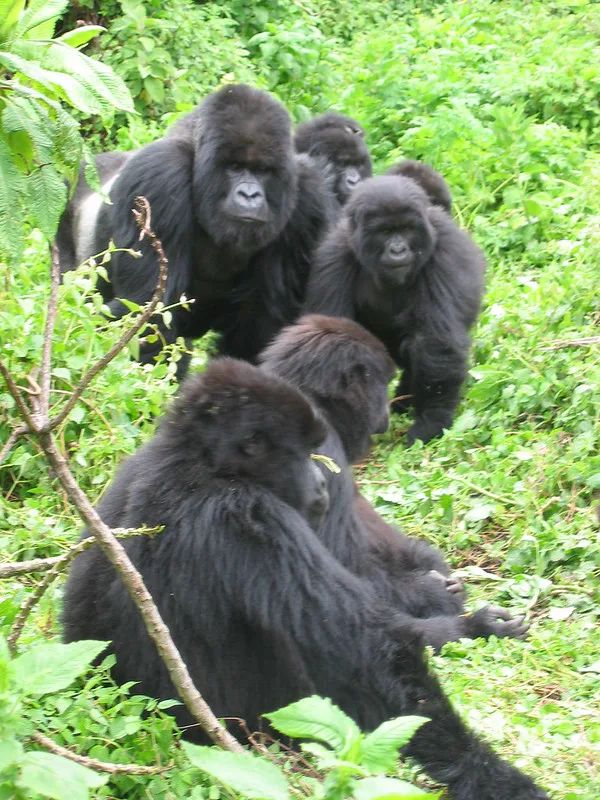
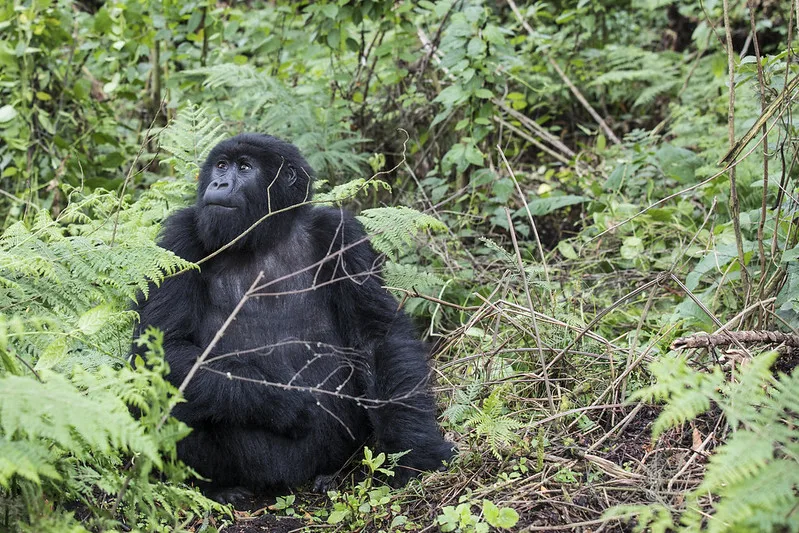
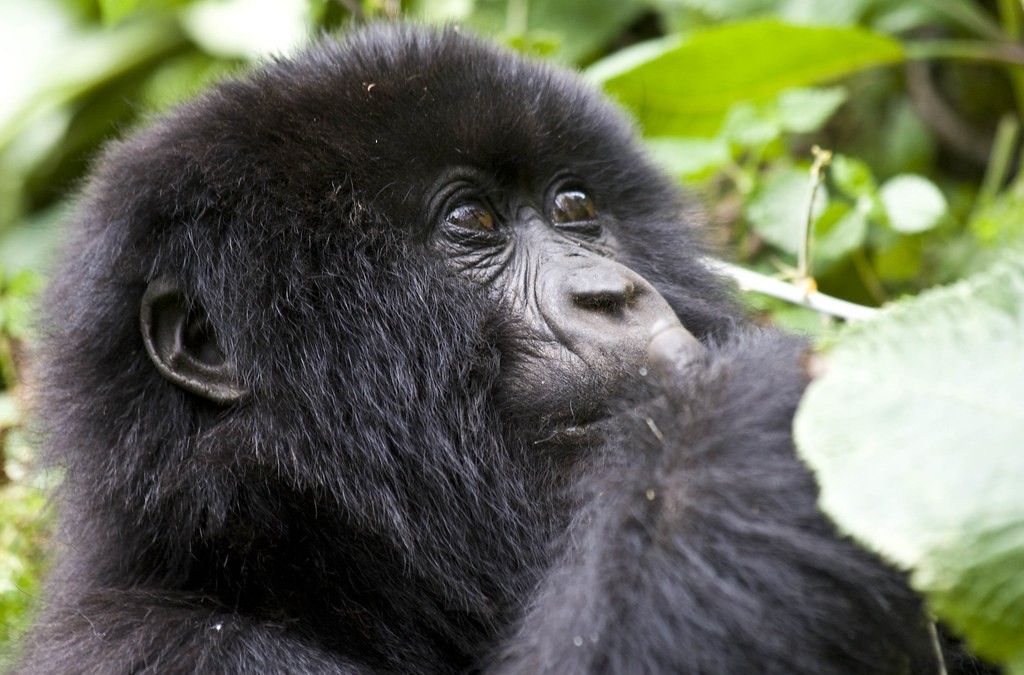
Mgahinga is home to the Nyakagezi gorilla family, one of Uganda`s most photogenic gorilla groups known for their calm and playful nature. Capturing a close-up of a silverback or the tender interaction between a mother and her infant offers an unmatched emotional impact. The dense vegetation and natural lighting conditions provide a raw, authentic atmosphere that enhances every shot.
Golden Monkeys.
These rare primates, found only in the Virunga mountains, offer a burst of colour and motion for photographers. Their bright golden-orange fur contrasts beautifully with the green bamboo forests. Patience and a fast shutter speed are essential to freeze their playful leaps and curious expressions.
Birdlife
With over 180 bird species, including Albertine rift endemics like the Rwenzori Turaco, dusky crowing, and Kivu ground thrush, Mgahinga is a paradise for bird photographers. Early morning hours are most active, and the light is soft and warm.
OTHER WILDLIFE
Though less frequent, photographers may spot and photograph buffaloes, forest elephants, duikers, bushbucks, and a variety of reptiles and amphibians. Macro photography enthusiasts can focus on butteries, orchids, and mushrooms that thrive in the park’s damp forest floor.
PHOTOGRAPHY TIPS AND TECHNIQUES
Best time for photography.
The dry season months from June to September and December to February are ideal for photography, offering clear skies, good visibility, and easier hiking conditions. Morning treks provide magical misty light, while late afternoon gives warm tones perfect for portrait shots.
RECOMMENDED EQUIPMENT.
Camera: mirrorless with good low-light performance.
Lenses: 100mm – 400mm for wildlife and gorillas.
Wide-angle for landscapes.
Macro lens for close-ups of flora and insects.
Accessories
More batteries and memory cards.
Lightweight tripped or monoped for ability during long experiences, use natural light creatively, and avoid flash during gorilla photography as it`s prohibited.
Focus on storytelling-capture not just animals, but their environment and behaviour.
Experiment with different angles to get low for intimate animal shots or wide for domestic landscapes.
Photography ethics and rules
Maintain 7 meters distance from gorillas to avoid disturbing them.
Flash photography is strictly prohibited during gorilla and golden monkey tracking.
Respect park rangers’ guidance – They ensure both safety and ethical interaction with wildlife.
Avoid sudden moves or loud noises while photographing animals.
Best location for photography in Mgahinga
Gorilla trekking trails: Great for close wildlife encounters
Mount Sabyinyo summit: Offers panoramic views of all three countries (Uganda, Rwanda, DRC)
Gorge trail between Mount Gahinga and Mount Sabyinyo: Perfect for bird and forest photography.
Bamboo zone: Ideal for capturing golden monkeys in natural light.
Cultural photography.
Besides wildlife, photographers can capture the Batwa community, the indigenous forest people who live near the park. Their traditional attire, dances, and interactions with nature offer rich cultural photography opportunities. The volcanic terrain, crater lakes, and mist-covered forests also provide endless landscape compositions.
Conclusion
Wildlife photography in Mgahinga Gorilla National Park is more than a photographic pursuit – It`s an intimate encounter with nature`s beauty, resilience, and diversity. Every shot tells a story of the park’s rare species. Volcanic grandeur and deep ecological harmony. Whether you are photographing gorillas, golden monkeys or mountain visitors, Mgahinga rewards you with unforgettable memories in the wild heart of Uganda.