
The Impact of Gorilla Tourism in Uganda – Key ethical considerations for responsible gorilla trekking
Impact of gorilla tourism in Uganda. Gorilla tourism, much like other forms of wildlife – based travel, is double edged sword. It‘s not a matter of right or wrong, but rather a delicate balance of advantages and potential drawbacks.
On the upside, the economic impacts of Gorilla trekking have played a pivotal role in the conservation success of these endangered primates. The income generated from trekking permits directly supports crucial conservation work.
Anti-poaching efforts: Safeguarding gorillas from illegal hunting is an ongoing challenge. Funds from tourism help train, equip, and deploy rangers who protect these animals from harm.
Habitat conservation: Ensuring gorillas have enough protected space is essential to their survival. Tourism revenue contributes to acquiring and managing land, reducing the risk of deforestation and human encroachment in the region where gorillas live.
The first gorilla trekking expedition: This first gorilla trekking expedition in 1979 was limited to six people per gorilla family and allowed to stay with them for only one hour for $20 each.
The history and Impact of gorilla tourism in Uganda
However, it`s important to recognize the potential drawback as well:
Disease transmission: Because gorillas share approximately 98% of their DNA with humans, they are highly susceptible to many of our illnesses. This makes responsible trekking essential; visitors must maintain a safe distance from the gorillas and refrain from trekking if they are experiencing any signs of illness, to prevent the risk of passing infection to these vulnerable animals.
Disturbance of natural habitats: An increase in human activity can disturb gorilla environments and influence their natural behavior. To mitigate these effects, park authorities enforce strict regulations limiting the number of visitors per group, allowing treks only during morning hours, and capping the time spent near the gorilla family to reduce the stress of the animals.
Gorilla habituation: Impact of gorilla tourism in Uganda
While the process of habituation, getting gorillas used to human presence, is necessary for safe and controlled encounters, it can lead to unintended consequences. Changes in behavior and reduced fear of humans can make gorillas more susceptible to threats like poaching if tourism practices aren’t carefully managed
By understanding these challenges, travellers are better equipped to make conscious decisions and support tourism models that prioritize gorilla well-being at the forefront while working to minimize harm.
Key ethical considerations for responsible gorilla trekking
Ethical gorilla trekking is built on three core principles: protecting the health and well-being of the gorilla, reducing our environmental impact, and providing meaningful support to surrounding communities.
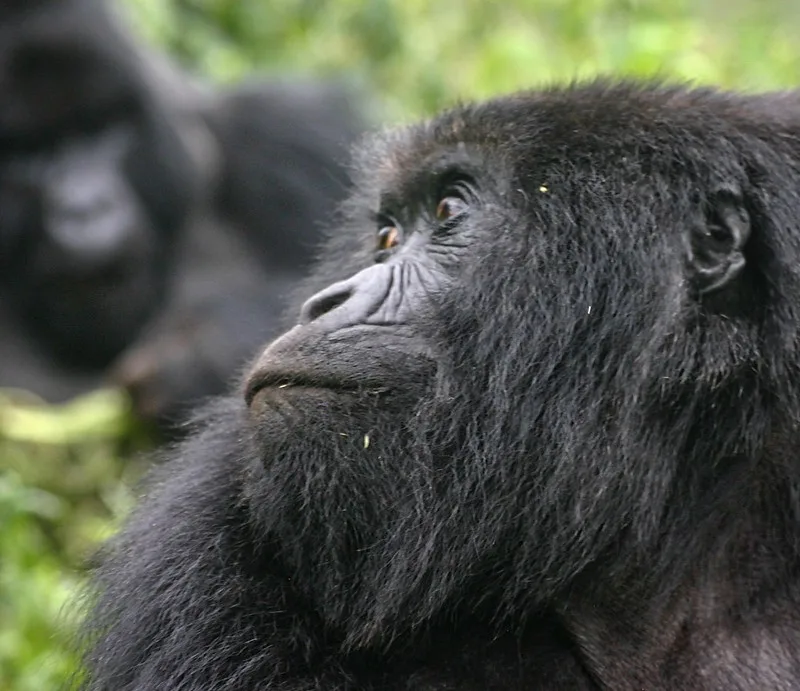
Mountain gorillas are awe-inspiring yet highly sensitive animals. Following proper guidelines helps safeguard them from and reduces unnecessary stress. Here`s how to trek responsibly
Keep a safe distance:
Always maintain at least 10 meters (about 32 feet) between you and gorillas. This buffer zone, recommended by experts and enforced by park authorities, minimizes the likelihood of transmitting disease and allows the gorilla to act naturally. Think of it like giving someone space in acrowed room, it makes everyone more comfortable.
Wear a face mask:
Because gorillas are highly susceptible to human illness, all visitors are required to wear a face covering. A base cloth mask or a style mark is enough to lower the risk of spreading airborne infections.
Limit your time with them:
Gorilla visits are typically one hour. This helps minimize disruption to the gorilla family`s routine and allows them to go about their day with minimal interference.
No camera flash:
The sudden burst of light from a camera flash can startle gorillas. Use natural light and adjust your camera settings accordingly. Capture these memories responsibly.
Avoid direct eye contact:
While it`s tempting to gaze into their expressive eyes, prolonged eye contact can be perceived as a challenge or a threat. Think of it like staring at a stranger on the bus. It can make them uncomfortable.
Stay quiet and calm:
Loud noises and sudden movements can frighten gorillas. Mountain had a respectful demean, observed their behavior quietly, and enjoyed the peaceful atmosphere of the forest.
Don`t mimic their behavior:
It may seem playful, but mimicking their vocalizations or gestures can confuse or agitate them. Respect their natural communication and avoid any actions that disrupt their social dynamics.
If a gorilla approaches:
Remain calm and slowly back away, follow you guides instructions and avoid making sudden movements. Remember, you are a visitor in their home.
Respect their space:
Never try to touch or feed a gorilla. They touch or feed a gorilla. They are wild animals and should be treated with the utmost respect. Keep your distance and appreciate them for a far.
If you’re sick, stay back:
Even a common cold can be fatal to gorillas. If you are feeling unwell, inform your tour operator and postpone your trek. It`s a small sacrifice to protect these vulnerable animals.
Environmental effect
The untouched rainforests serving as gorilla habitats are critical to their existence. Reducing our ecological impact is essential for safeguarding these fragile ecosystems.
Remove all waste: Ensure no remnants of your visit remain, transport all trash back with you, encompassing food packaging, water containers, and tissues. A pristine environment benefits gorillas and other forest inhabitants alike.
Support eco-friendly practices: Option for tour companies emphasizes eco-friendly approaches, waste minimization, and sustainability. Seek operators dedicated to lowering carbon emissions, water conservation, and responsible local resources.
Eco-system respect: Refrain from disruption planlife or wildlife. Each ecosystem component contributed to its intricate equilibrium.
Water conservation: Practice mindful water usage, particularly in lodges proximate to gorilla forests located in water-scarce areas, avoiding unnecessary water use of these vital resources.
Community impact
Gorilla tourism should bring meaningful benefits to the communities living near these majestic animals. Here are some ways you can help support local people during your visit.
Choose a community supportive tour:
Select tour operators that actively contribute to the well-being of the nearby communities by creating jobs, funding healthcare and education, and honoring local traditions. Look for these companies committed to fair wages, training, and grassroots initiatives such as Katland Safaris’ guided walking experience.
Use a porter for your trek
Hiring a porter at a trekking start point helps ease your physical load while directly supporting someone`s while directly livelihood. The usual fee is around $20, paid directly to the porter. Many are familiar with the forest and can offer enriching stories, local knowledge, and cultural insights along the way.
Support small local enterprises: Buying crafts from local rakes and eating at community-run establishments helps circulate money within the local economy. You`ll not only have authentic experiences but also help artisans and entrepreneurs sustain their families.
Respect local traditions and etiquette: Dress respectfully and be aware of cultural norms. Always ask for permission before photographing individuals. Showing sensitivity to local customs, mutual respect, and understanding.
Support small local enterprises: Buying crafts from local makers and eating at community-run establishments helps circulate money within the local economy. You will not only enjoy an authentic experience but also help critics and entreprenuers system their families.
Respect local traditions and etiquette: Dress respectfully, be aware of cultural norms. Always ask for permission before photographing individuals. Showing sensitivity to local customs fosters mutual respect and understanding.
Learn basic local languages: A few words in the local language, like a greeting or thank you, can go a long way in showing appreciation and building genuine connections with residents.
Trip guides and park staff: At the end of your experience, consider tipping your guide and the park ranger who ensure your safety and work hard to protect the gorillas and their habitat. Your gestures acknowledge their dedication and support their essential work.
Ethical considerations of gorilla trekking
Sustainable gorilla trekking: How to reduce your impact and elevate your experience.
In the misty, forested mountains of central East Africa, travelers venture into the wild for a face-to-face meeting with mountain gorilla trekking. But such an intimate wildlife encounter naturally raises important questions: Is it right to interact with wild gorillas? Shouldn`t they be left alone in their habitat?
These are valid concerns. However, the reality is that without responsible human involvement, mountain gorillas could have vanished. In the early 2000s, their population had plummeted to around 620 individuals, classifying them as “critically endangered.” Poaching, deforestation, and disease were pushing the species toward extinction.
Thanks to a conservation program funded heavily by regulated tourism, the tide began to turn. Trekking permits and guided visits began to support anti-poaching units, habitat protection, and local communities. Today, over 1,000 Mountain gorillas live in the wild, and their status has been updated to endangered.
Gorilla trekking now serves adual purpose: It gives travellers of life changing wildlife experience while providing vital support for the species survival. However, such tourism must be ethical, respectful, and sustainable. This guide outlines the key ethical factors to consider before embarking on your gorilla trekking journey.
Questions to ask your tour operator.
Don`t hesitate to ask your tour operator these important questions.
How do you ensure the welfare of the gorillas?
What measures do you take to minimize your environmental impact?
How do you support local communities?
What is your policy on hiring locals?
What qualifications and training do your guides have?
Tips for responsible trekking | Impact of gorilla tourism in Uganda
You play a vital role in ensuring a responsible and sustainable gorilla trekking experience. Here are some practical tips.
Prepare for the trek: Ensure you have the necessary gear, a reusable water bottle, and a hat for sun protection. The trek can be physically demanding, so be prepared for the terrain and weather conditions.
Follow your guide’s instructions: They are experts in gorilla behaviour and will ensure a safe and respectful experience. Listen carefully to their instructions and follow their lead.
You should be mindful of your actions: Every step you take has an impact. Follow your trekking guide’s trail, avoid littering, keep noise to a minimum, respect the environment and the creatures that live within it.
Respect wildlife: Gorillas are not the only inhabitants of the forest. Observe other wildlife with the same respect and consideration. You might encounter monkeys, birds, and other fascinating creatures along the way.
Support conservation efforts: Consider donating to protect gorillas and their habitat. Your contribution can make a real difference in their long-term survival.
Gorilla trekking experience
After the unbelievable encounter with the giants silver backs. You want to return to luxury, kindly treatment on the edge of the jungle.