Safari FAQs for Travelers by Holiday Type
Safari FAQs for First-Time Safari Travelers
What is a safari and how does it work?
A safari is a guided wildlife holiday where travelers explore national parks and reserves to see animals in their natural habitat. Activities usually include game drives, guided walks, boat safaris, and sometimes cultural visits, all led by professional guides.
Is a safari safe for beginners?
Yes, safaris are very safe when organized by licensed operators and conducted with trained guides. Parks follow strict rules, vehicles are designed for wildlife viewing, and guides manage all interactions with animals.
How many days do I need for a first safari?
A first safari is best enjoyed over 5 to 7 days. This allows time to explore one or two parks without rushing and increases your chances of good wildlife sightings.
Safari FAQs for Gorilla & Primate Trekking Holidays
Do I need special fitness for gorilla or chimpanzee trekking?
You need a moderate level of fitness because treks can involve steep, muddy terrain and can last several hours. Porters are available to help carry bags and offer support during the hike.
How close do you get to gorillas or chimpanzees?
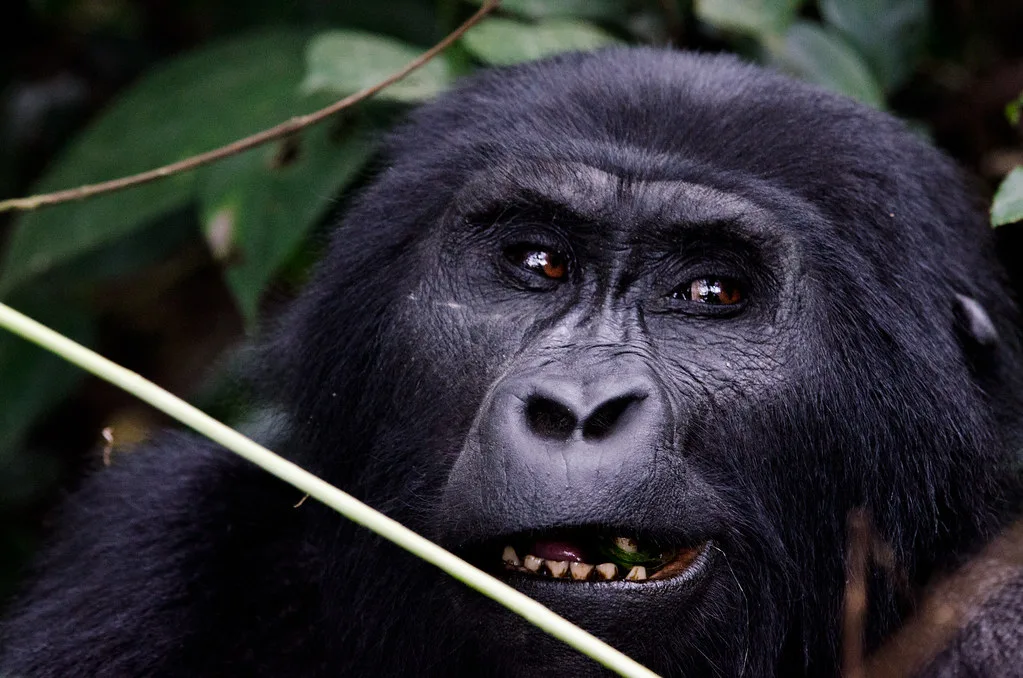
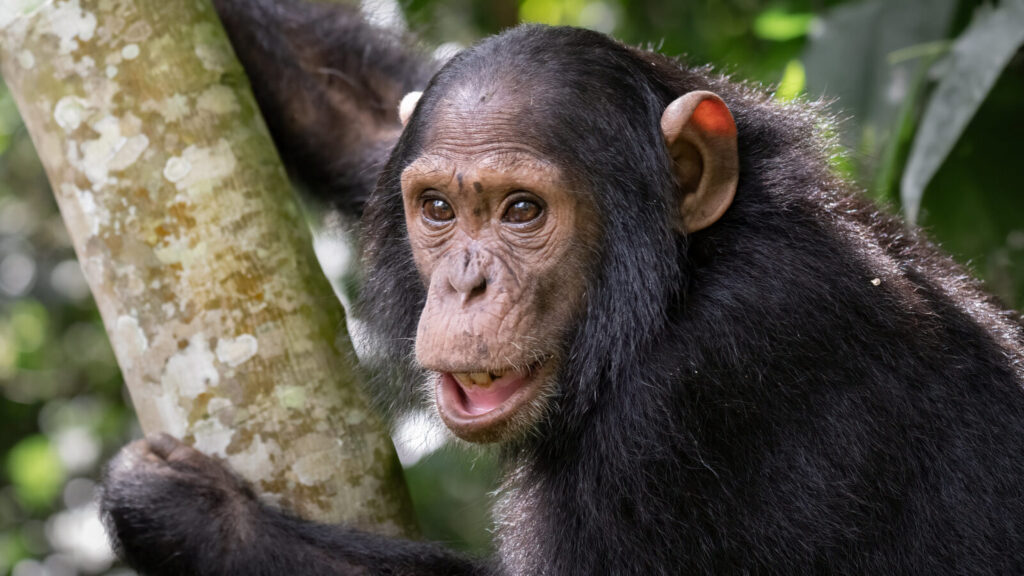
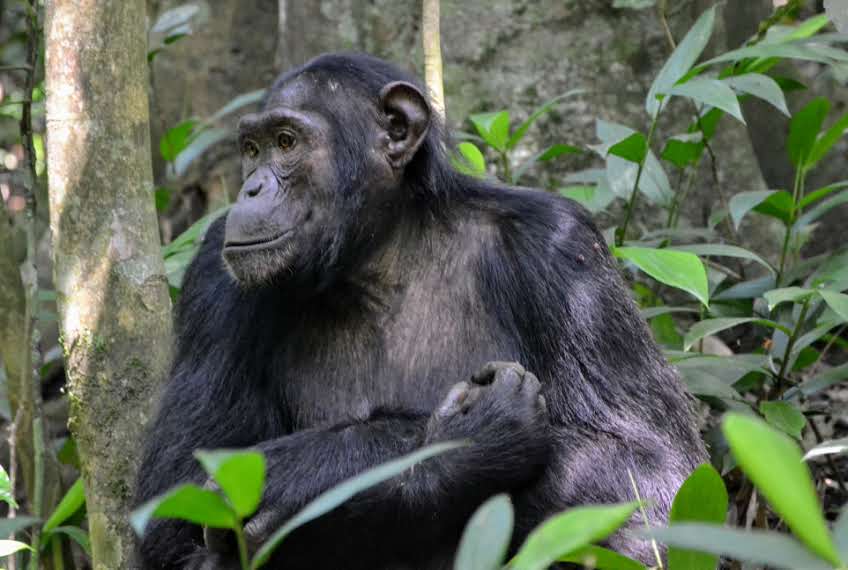
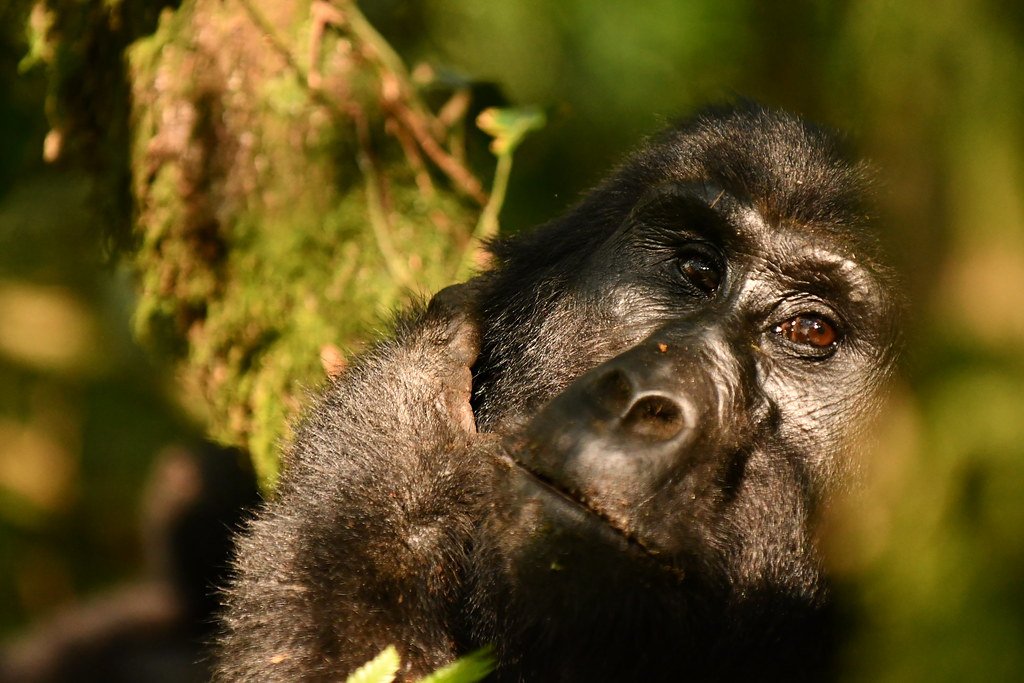
Visitors must keep a minimum distance of about 7 meters from gorillas and chimpanzees. This rule protects both visitors and the primates from disease transmission.
Are gorilla sightings guaranteed?
Sightings are not 100% guaranteed, but success rates are extremely high, often above 95%, because trackers monitor the primates daily.
Safari FAQs for Luxury Safari Travelers
What makes a safari “luxury”?
Luxury safaris focus on high-end lodges, private game drives, personalized service, top-quality food, and seamless logistics such as charter flights and private guides.
Can luxury safaris still be adventurous?
Yes, luxury safaris combine comfort with authentic wildlife experiences. You still enjoy game drives and trekking, but return to premium accommodation afterward.
Are luxury safaris suitable for older travelers?
Yes, many luxury lodges cater well to older travelers with comfortable rooms, shorter driving times, and flexible activity schedules.
Safari FAQs for Budget & Backpacker Travelers
Is a safari possible on a budget?
Yes, budget safaris use simpler lodges or camps, shared vehicles, and fixed itineraries to reduce costs while still offering quality wildlife experiences.
Will I still see the same animals as luxury travelers?
Yes, wildlife sightings depend more on location and timing than accommodation level. Budget travelers visit the same parks and see the same animals.
What should I compromise on in a budget safari?
Expect simpler accommodation, shared activities, and less flexibility. Comfort may be basic, but the wildlife experience remains rewarding.
Safari FAQs for Family Holidays
Are safaris suitable for children?
Yes, many safari lodges and parks welcome families, but age restrictions may apply for activities like gorilla trekking. Game drives and cultural visits are usually family-friendly.
What is the best safari length for families?
Families often enjoy 4 to 6 days, balancing wildlife viewing with rest days to avoid fatigue.
Are family safaris educational?
Absolutely. Children learn about wildlife, conservation, geography, and local cultures through guided experiences.
Safari FAQs for Honeymoon & Romantic Getaways
Why is a safari good for a honeymoon?
Safaris offer privacy, unique experiences, beautiful scenery, and memorable moments such as sunset game drives and bush dinners.
Can a safari be combined with a beach holiday?
Yes, many couples combine safaris with beach destinations like Zanzibar, Lake Kivu, or the Indian Ocean coast for relaxation after adventure.
Are private experiences available?
Yes, honeymoon safaris often include private vehicles, secluded lodges, and customized activities.
Safari FAQs for Adventure & Active Travelers
What makes a safari adventurous?
Adventure safaris include activities like walking safaris, gorilla trekking, mountain hiking, canoeing, and cycling.
Do adventure safaris require special gear?
Most activities require basic outdoor gear such as hiking boots, rain jackets, and daypacks. Specialized equipment is provided when needed.
Can adventure safaris be physically demanding?
Yes, some activities are strenuous, but itineraries can be adjusted based on fitness levels and preferences.
Safari FAQs for Photography & Wildlife Enthusiasts
Is a safari good for wildlife photography?
Yes, safaris offer excellent photography opportunities with professional guides who understand animal behavior and positioning.
Do I need professional camera equipment?
Professional equipment helps, but good photos can also be taken with mid-range cameras or even smartphones in good lighting.
What is the best time of day for photography?
Early mornings and late afternoons offer the best light and most animal activity.
Safari FAQs for Eco & Responsible Travel
How does safari tourism support conservation?
Safari fees fund park protection, anti-poaching efforts, wildlife research, and habitat conservation.
Do local communities benefit from safaris?
Yes, many lodges employ local staff, support schools, health centers, and community projects, and promote cultural tourism.
How can I travel responsibly on safari?
Follow park rules, respect wildlife, avoid littering, support local businesses, and choose operators committed to sustainable tourism.
Safari FAQs for Short Trips & Weekend Safaris
Can I do a safari in 2–3 days?
Yes, short safaris work well for parks close to major cities, especially for game drives or single-activity trips like gorilla trekking.
Will a short safari still be worthwhile?
Yes, even short safaris can deliver excellent wildlife sightings if well planned.
What should I prioritize on a short safari?
Focus on one park or one key activity to avoid rushing and maximize your experience.