
Climb the Rwenzori Mountains: The Legendary “Mountains of the Moon”
Climb the Rwenzori Mountains
The Rwenzori Mountains, often called the “Mountains of the Moon,” rise majestically in western Uganda.120km-long and 65km-wide mountain range is home to some of the most breathtaking and diverse landscapes in Africa, from equatorial snow-capped peaks to lush montane forests and moorlands.
The park was gazetted in 1991, declared a UNESCO World Heritage Site in 1994, and later designated a Ramsar Wetland of International Importance in 2008, highlighting its global ecological significance.
The Roof of Uganda: Margherita Peak (5,109m)
The highest point of the Rwenzori Mountains is Margherita Peak (5,109m) on Mount Stanley, making it Africa’s third-highest peak. Unlike East Africa’s volcanic giants such as Kilimanjaro and Mount Elgon, the Rwenzoris were formed by tectonic activity, with massive rock blocks thrust upward from the Western Rift Valley floor.
The Rwenzoris were first documented by the Alexandrine geographer Ptolemy in AD 150, who referred to them as the “Mountains of the Moon,” believing them to be the source of the Nile River. Later, on May 24, 1888, the explorer Henry Stanley officially placed the Rwenzoris on the world map, recording the name “Ruwenzori,” which he documented as meaning “Rain-Maker” or “Cloud-King” in the local language.
In 2010, history was made when Ms. Beryl Park, at the age of 78, became the oldest recorded climber to reach Margherita Peak, proving that the Rwenzoris continue to challenge and inspire adventurers of all ages.
A Landscape Like No Other
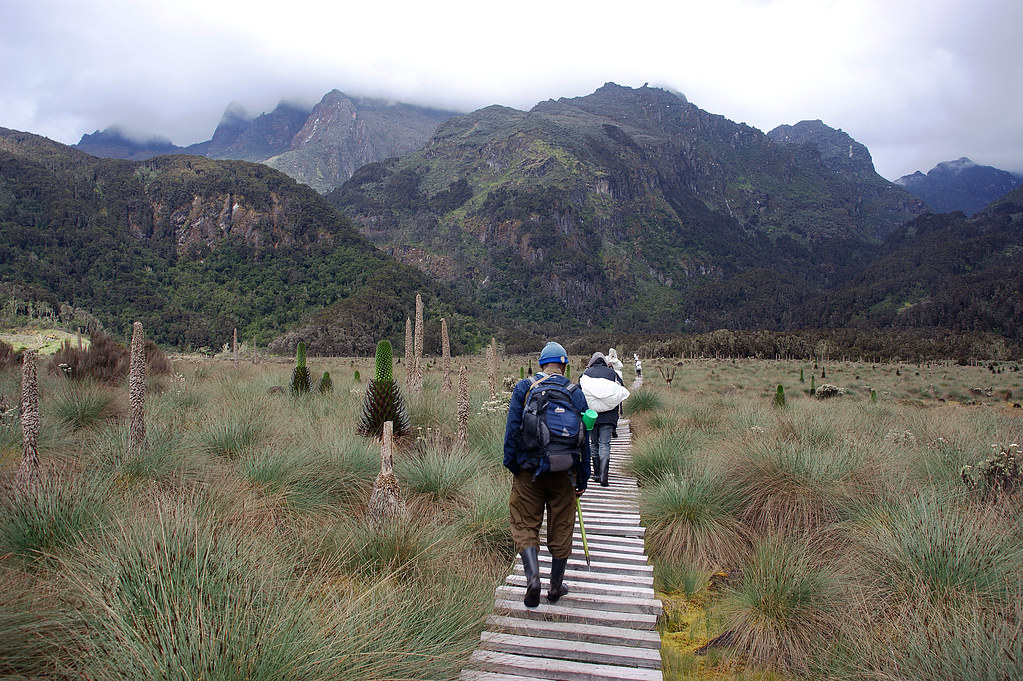
The Rwenzoris are a mystical wonderland, with their lower slopes covered in rich montane forests, bamboo woodlands, and vast moorlands. As altitude increases, the landscape transforms into an otherworldly botanical paradise, where giant lobelias, tree heathers, and “everlasting flowers” thrive among moss-draped rocks, creating a scene that feels almost magical.
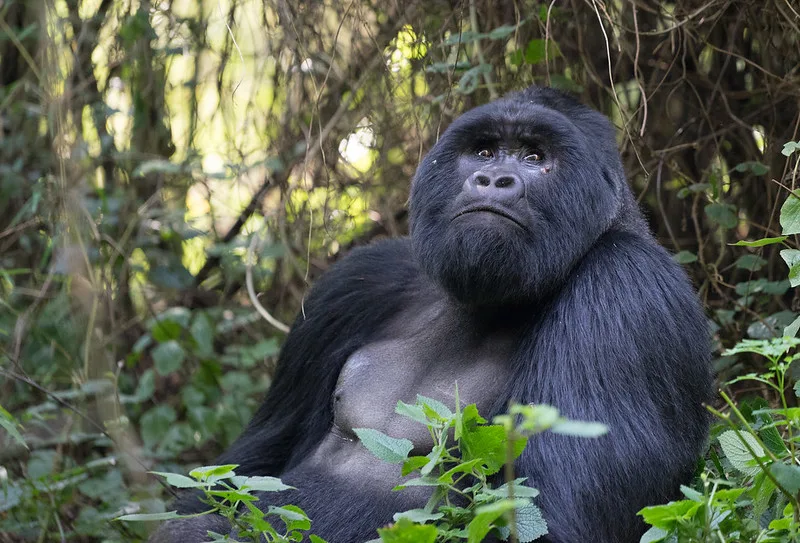
The park protects the highest parts of the Rwenzori range, sheltering over 70 mammal species and 217 bird species, including 19 Albertine Rift endemics and some of the world’s rarest vegetation. The diverse ecosystems make it an important conservation area and a haven for biodiversity.
A World-Class Hiking & Mountaineering Destination
The Rwenzori Mountains are among Africa’s premier hiking and climbing destinations, offering some of the most rewarding treks on the continent.
Summit Climbers: Reaching Margherita Peak requires a 9- to 12-day technical ascent, best suited for experienced mountaineers.
Mid-Level Treks: Shorter, non-technical treks allow climbers to explore stunning landscapes and reach lower peaks without the extreme challenge of summiting.
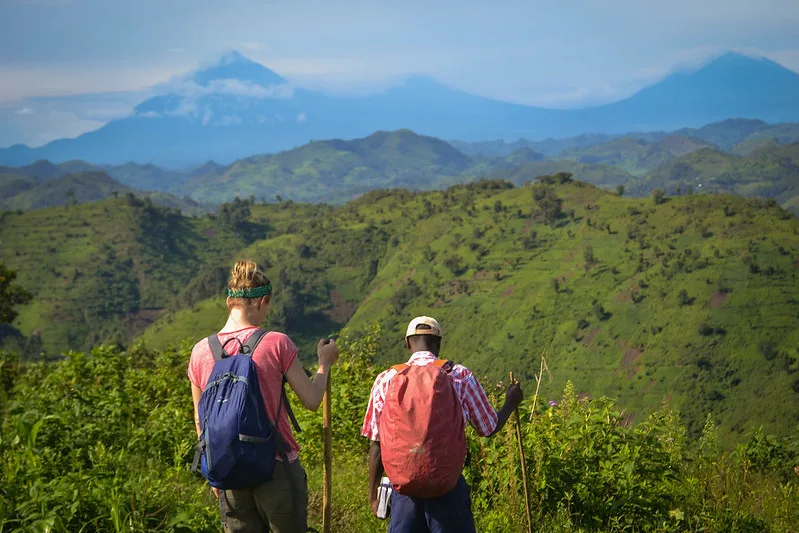
Cultural & Nature Walks: For visitors who prefer a less strenuous experience, the neighboring Bakonzo villages offer Guided nature walks, Homestead visits, Traditional cultural performances, and authentic home-cooked cuisine
Why Visit the Rwenzori Mountains?
✔️ The “Mountains of the Moon” – A legendary and historic range
✔️ Africa’s third-highest peak – A true mountaineering challenge
✔️ UNESCO World Heritage Site – A globally significant conservation area
✔️ Rare flora and fauna – Unique species found nowhere else
✔️ Hiking for all levels – From summit climbs to easy nature walks
✔️ Rich cultural experiences – Discover the traditions of the Bakonzo people
The Rwenzori Mountains offer a truly unique experience, where snow-capped peaks, ancient forests, and rich cultural traditions blend into one extraordinary adventure. Whether you’re an experienced climber, a trekking enthusiast, or a traveler seeking cultural encounters, the Rwenzoris will leave you with unforgettable memories.
Contact Katland Safaris with any Inquiries about organising a Rwenzori Mountains Climbing Adventure.